“Judapest”. Antisemites and the City
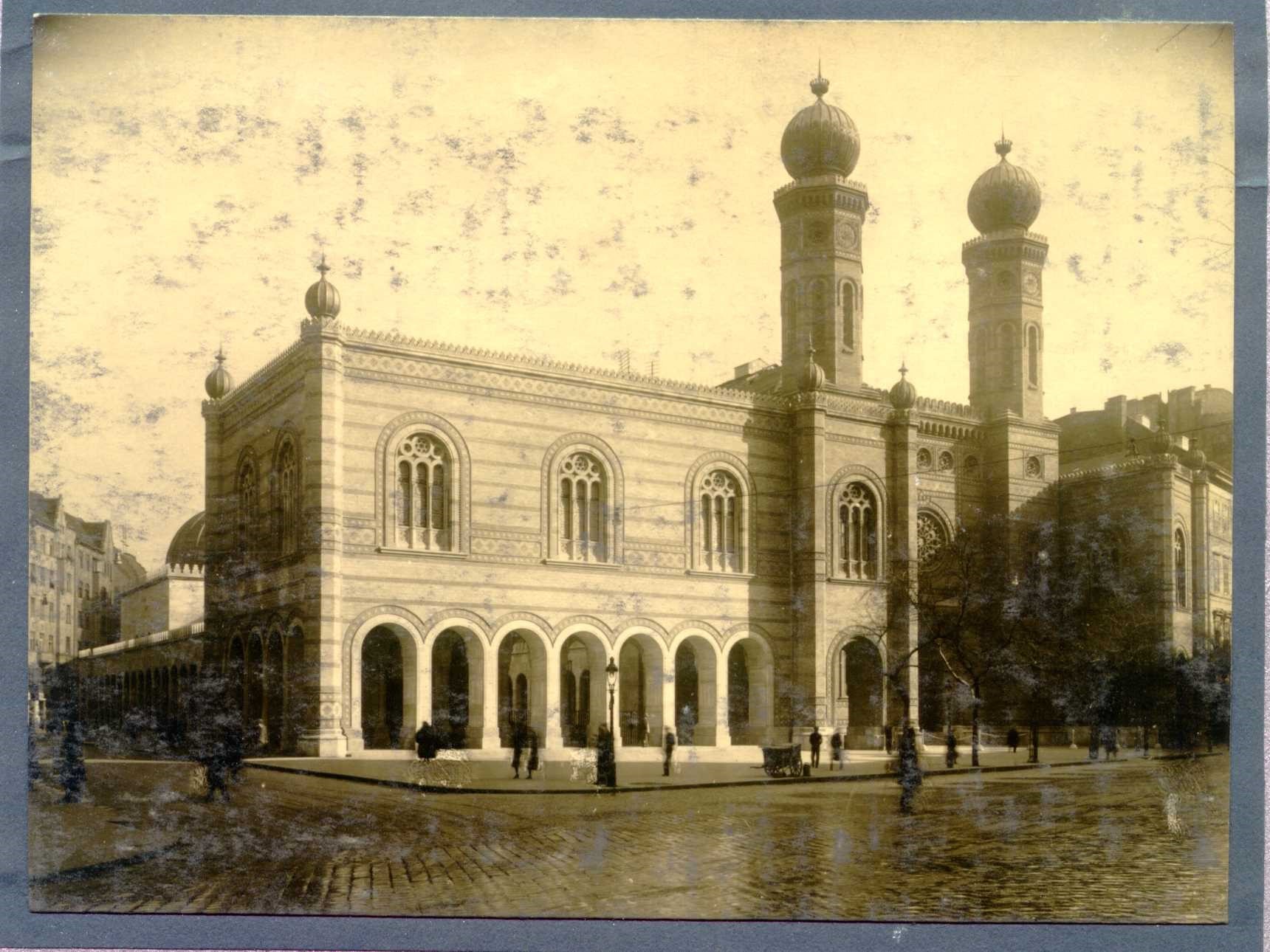
From the first years of the twentieth century, the Hungarian conservative and far-right considered Budapest alien and unpatriotic. They mocked the city as “Judapest”.
This is not a uniquely Hungarian phenomenon: antisemites everywhere—from New York to Vienna and Vilnius—contrasted the “sinful, Judaized” metropolis with what was considered a pure, unspoiled countryside. This stereotype was strengthened by the fact that the revolutions that broke out after World War I were centered in big cities across Europe.
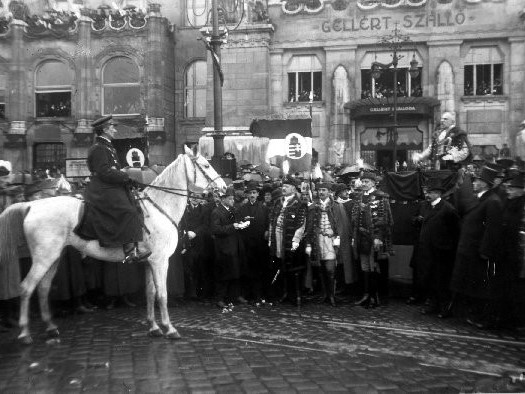
The same happened in Hungary. In 1918, a liberal revolution followed the military defeat and collapse of the Austro-Hungarian Monarchy. It was short-lived and was soon replaced by a communist dictatorship. These events were seen by many as orchestrated by “the Jews” to the detriment of the traditional Hungarian Kingdom. Eventually, in late 1919, a right-wing nationalist force—led by Admiral Miklós Horthy and supported by the Western powers—took over the country and the capital. "I call the Hungarian capital here on the banks of the Danube: this city has denied its thousand-year-old past, desecrated its crown, its national colors, and dressed up in red rags," roared Horthy as he paraded on his white horse, leading his “National Army” in the occupation of Budapest.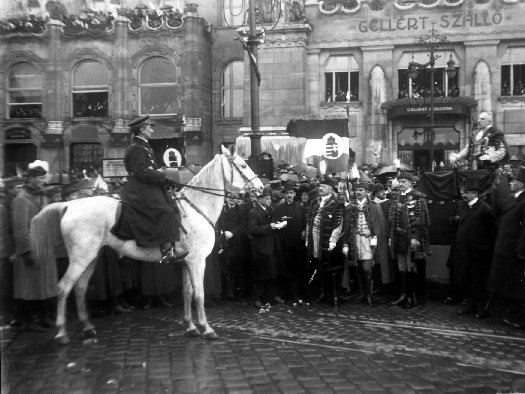
Horthy's units and other paramilitary organizations (such as the Association of Awakening Hungarians - ÉME) kept the streets of Budapest in terror for months. Passers-by were generally stopped and checked at busy locations. Jews were singled out and either robbed on the spot or taken to the militiamen’s accommodations, beaten and often brutally tortured. There were also murders. In the summer of 1920, ÉME attacked several cafés considered to be "Jewish haunts." On July 10, Jewish guests were assaulted in the City Café, and on July 27, 1920, the Club Café was stormed. The guests were beaten with sticks, belts, and chairs, and several were killed. The next day, the perpetrators "patrolled" the Jewish quarter, checking the identity of Jews and assaulting them.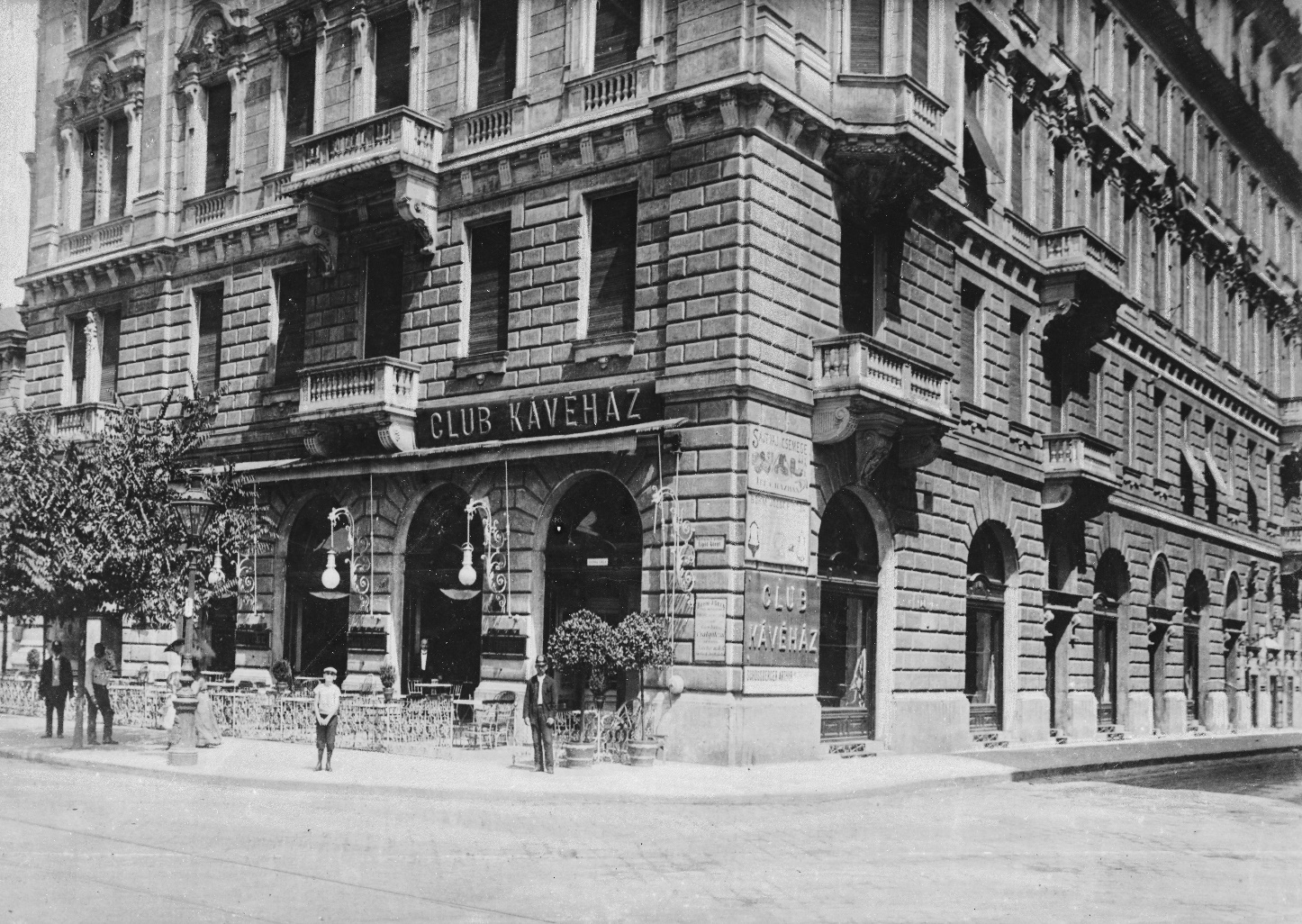
An “infested city”
Although the Horthy regime, seeking to consolidate its power, eventually put a stop to antisemitic violence, an anti-Jewish world view remained one of the ideological cornerstones of the regime. The capital played a central role in this thought system. The main point of the period’s narrative-forming literary pieces was that “Jewish Budapest” caused the fall of historical Hungary. The vibrant prose in Cecil Tormay’s book The Book of the Hiding (Bujdosó könyv) paints the image of an “infested city” by the “Jewish psyche” with dehumanizing, biological metaphors (Jews are “larvae”, “an army of leeches in caftans”). In the midst of this “stands the son of the Russian-Polish Jew, preaching against ancient nature with the full force of the destructive rage of his race.”
In his influential historical essay, Three Generations (Három nemzedék) historian Gyula Szekfű devoted a separate chapter to the fateful role of Jewish Budapest, the “opaque set of stones obscuring great dangers”. According to Szekfű, "the power of the Jews in the Hungarian souls would have never become dominant without the mediation of Budapest: the heart of the country was the medium through which the culture of the new Jewish intelligentsia diffused with steady pressure in the country."
The village swept away (Az elsodort falu) by Dezső Szabó became the key novel of anti-urban antisemitism idealizing unspoiled peasant existence. It sold nearly 200,000 copies by 1944. The influential author regularly contributed to the right-wing press, disseminating radical antisemitic thoughts. For example, he wrote in the newspaper Virradat (Dawn) about "a Syrian Budapest, devouring and hoarding, dancing the kankan of abundance", a city “embezzled, pickpocketed” from the Hungarians by “lousy Galician robbers”. Szabó demanded that Jews (including those of Christian faith) who arrived in Budapest after 1910 be deported. He would have banned the Israelite religion, he wanted to turn the synagogues into hospitals and “proletarian homes”. Later he extended the concept to the entire territory of Hungary.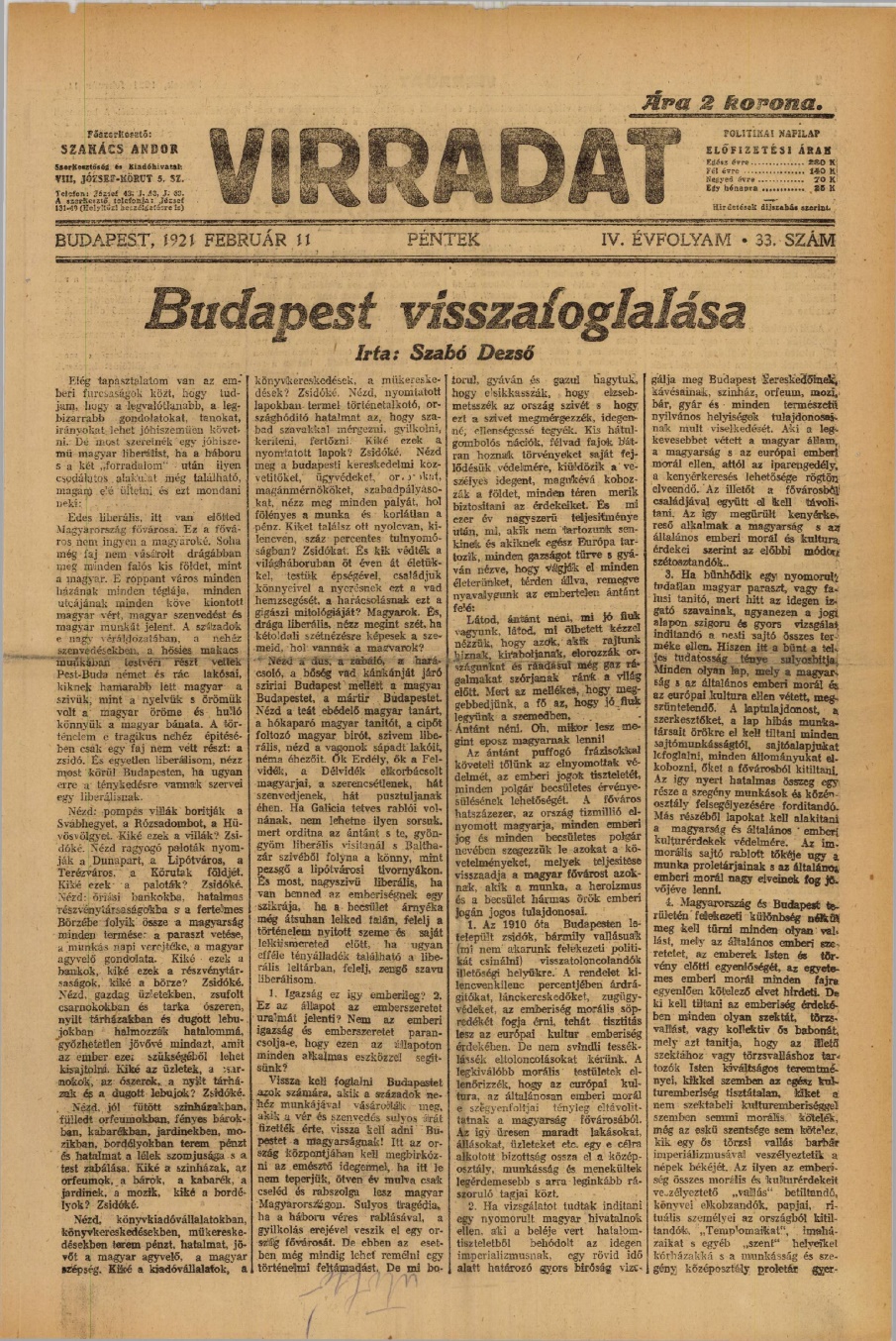
According to an early, yet typical parliamentary manifestation of the racist far-right movement, a representative talked about the “merchant-spirited, plutocratic” Budapest, that is not only unable to become the heart of the country, but is actually Hungary’s “inflamed appendix that needs to be cut out”. Prophetic words indeed. Twenty years later, an Austrian woman prisoner, a medical doctor in Auschwitz-Birkenau, watched in shock as the flames erupted through the smoking chimneys of the crematoria after a large-scale gassing. She then turned to the SS doctor next to him, Dr. Fritz Klein, and asked him how he could send people to a gas chamber as a doctor. Dr. Klein, replied: “Jews are the festering appendix of humanity. So I am cutting them out.”
-
-
-
-
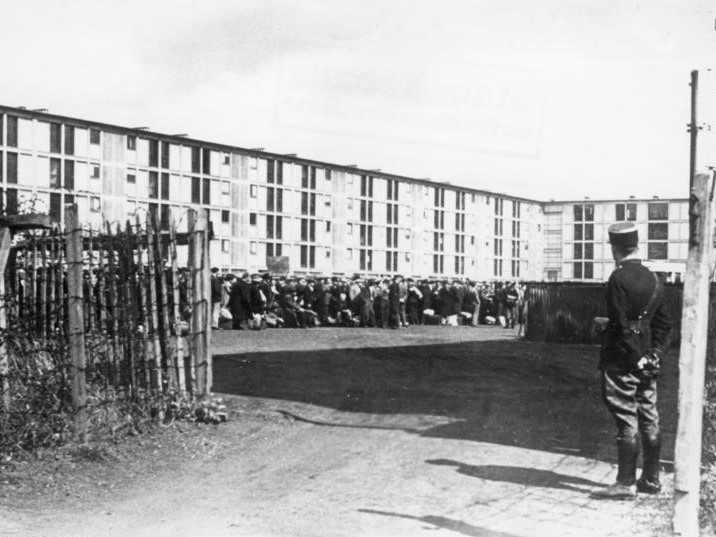
Budapest, Paris, Auschwitz. Budapest Jews and the Holocaust in France
-
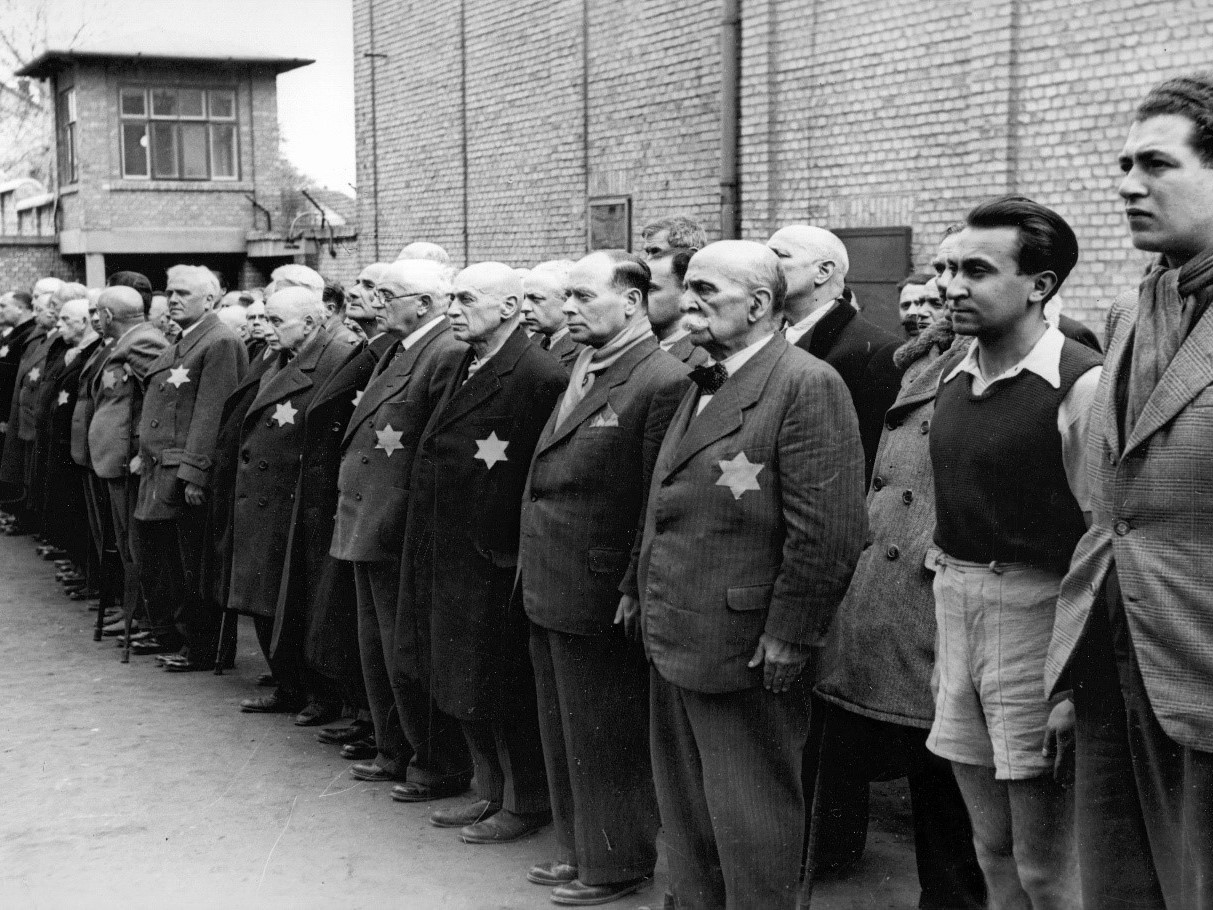
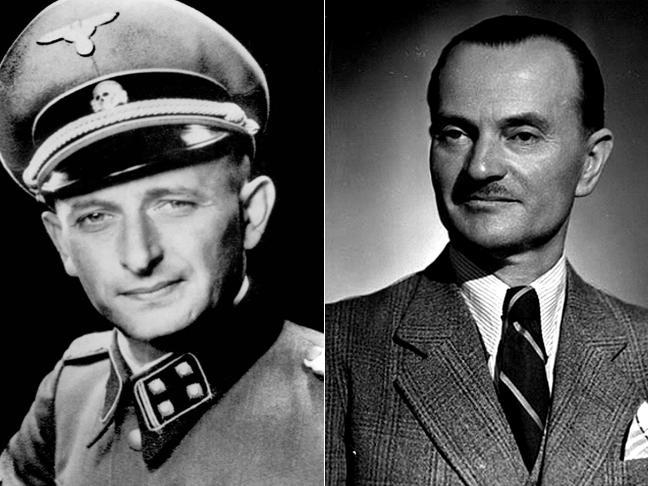
Invasion, Police Raids, Internment. The German Occupation and the Budapest Jews
-
-
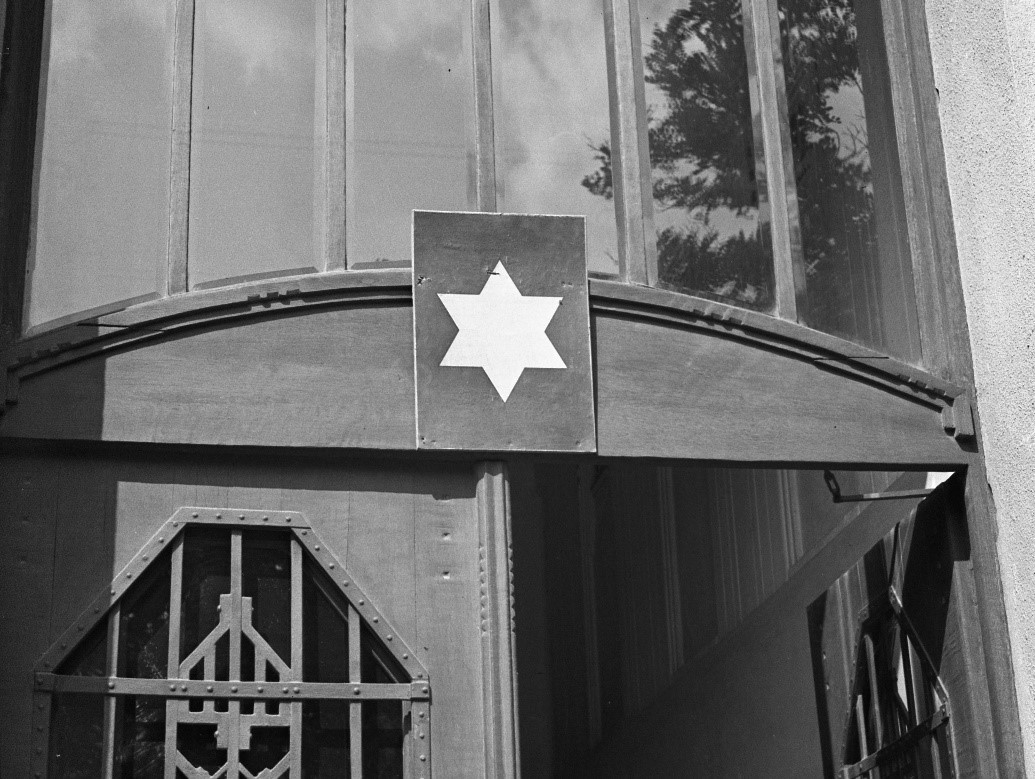
Star-Marked City. The First Ghettoization of the Budapest Jews
-
-
"In Poland, Jews are being gassed and burned." The Suspension of the Deportations
-
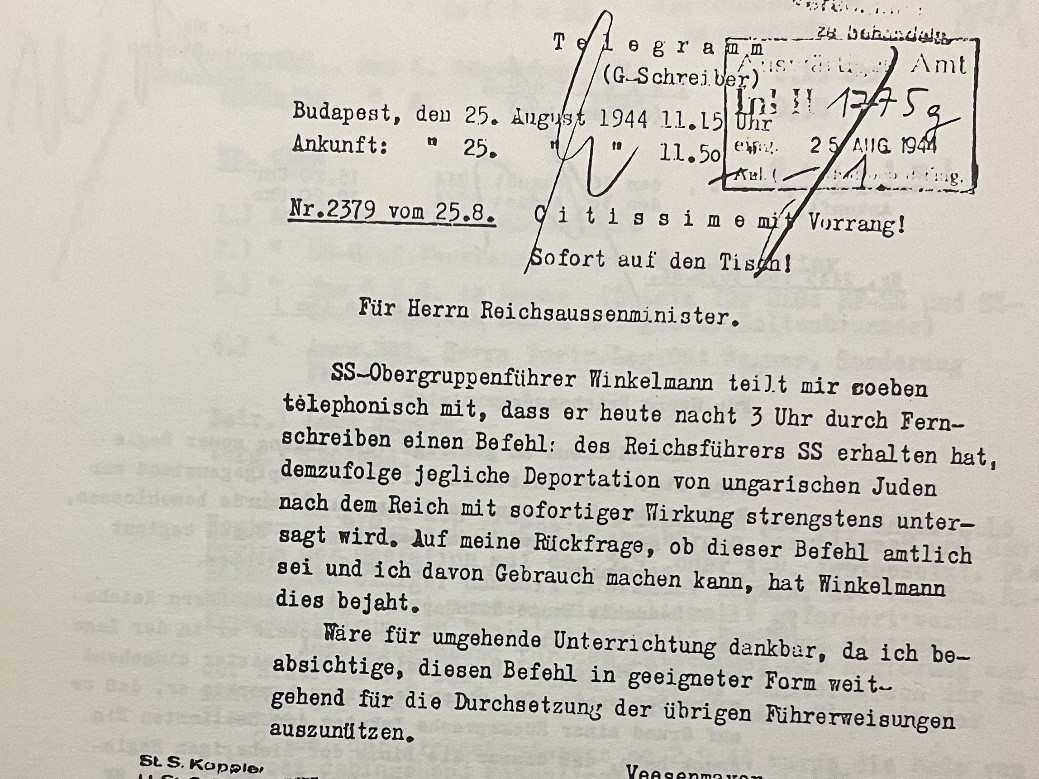
Chips on the Poker Table. The Fate of the Budapest Jews in August 1944
-
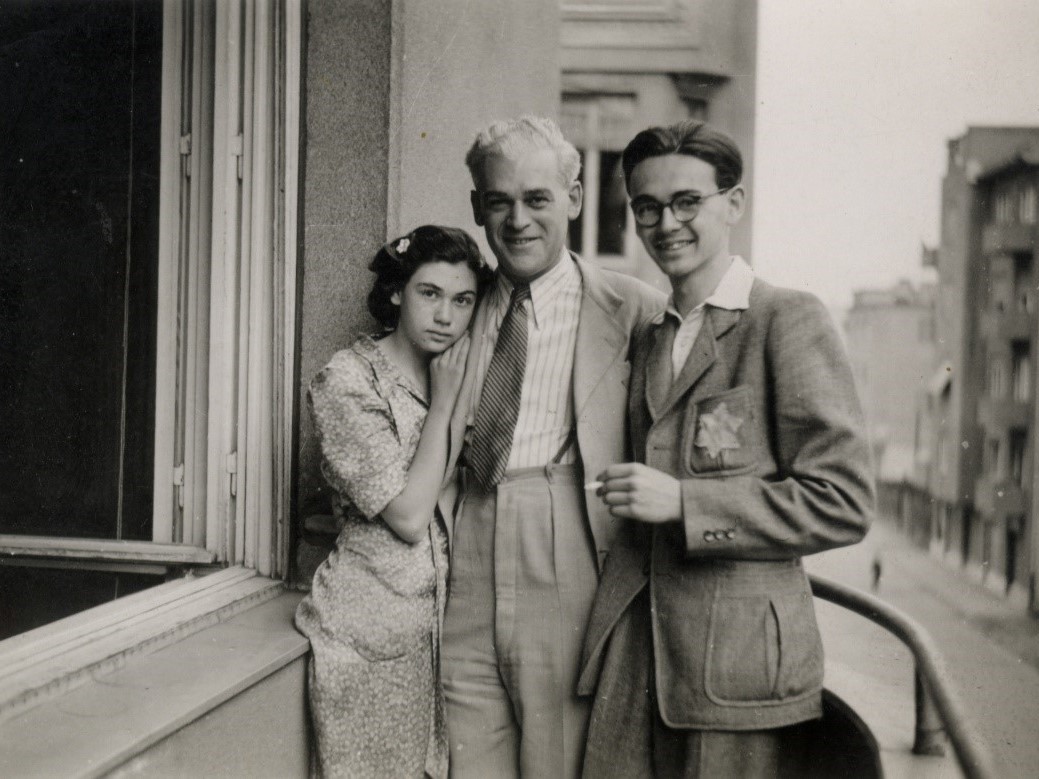
“They are being killed with gas and burned.” What did the Budapest Jews know and what could they do?
-
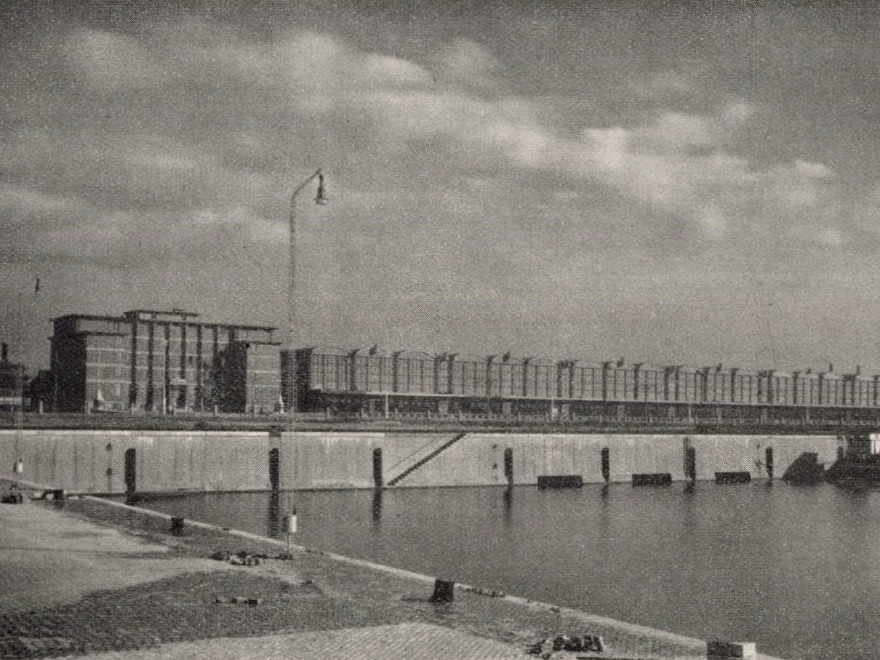
Großaktion Budapest. How would the Jews of Budapest have been Deported?
-
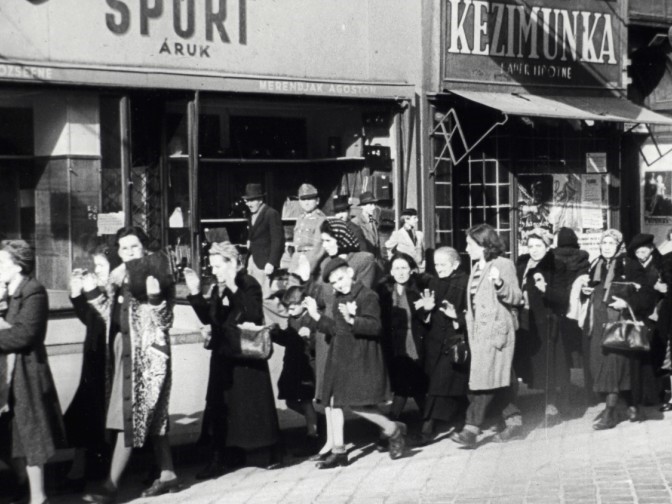
“The Danube was Red with Jewish Blood.” Arrow Cross Murders in Budapest
-
-
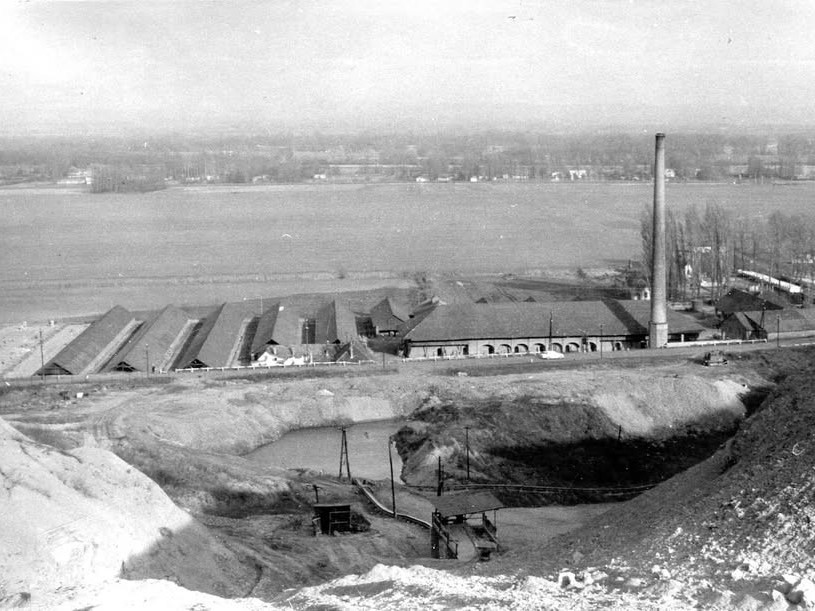
Death March, Brick Factory, Slave Labor. The Budapest Deportations in Late 1944
-
Ghetto and Liberation. Jews of Budapest at the End of the War
-
-
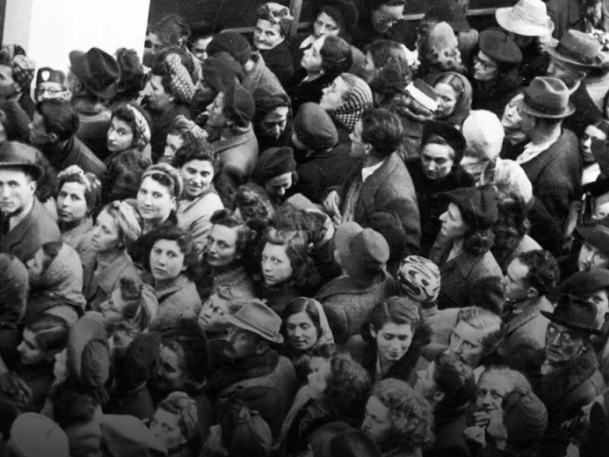
To Obey or Resist? Group and Individual Responses to Persecution in Budapest
-
-
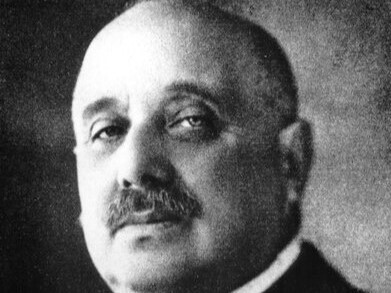
Fates in Budapest. The Founder of the Hungarian Pharmaceutical Industry: Gedeon Richter
-
-
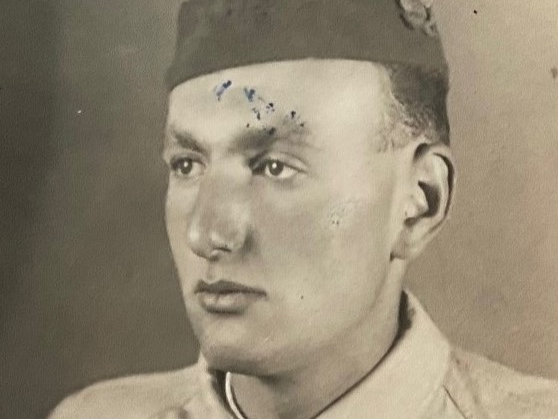
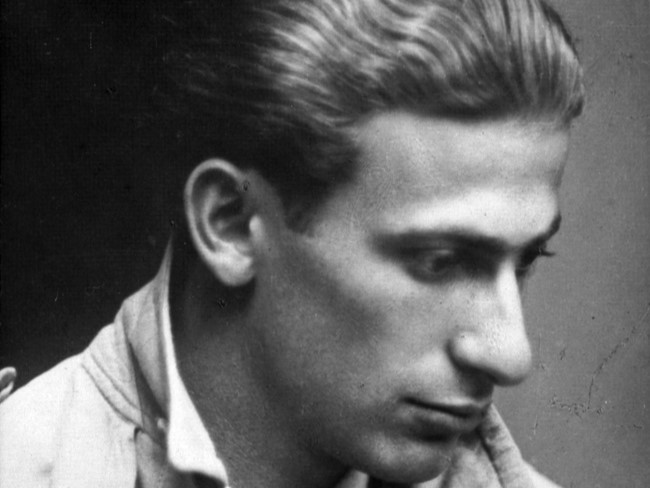
Fates in Budapest. The Rosenthal Saga: Forced Labor, Bergen-Belsen and the "Horror Train"