Budapest, Paris, Auschwitz. Budapest Jews and the Holocaust in France
Between 1942 and 1944, the Nazis deported several hundreds of Budapest Jews from France to various concentration camps. Most of them were murdered.
During the times of the Austro-Hungarian Monarchy, many Hungarian painters, sculptors, poets, and writers traveled to Paris to seek inspiration for their art in the City of Light. Among them were painters József Rippl-Rónai, Tivadar Kosztka Csontváry, and poet Endre Ady. After 1918, photographers who would later achieve international fame—such as Robert Capa and André Kertész—also spent time in the French capital, as did major Hungarian literary figures like Attila József, Sándor Márai, Ferenc Fejtő, and Lajos Hatvany. Members of the wealthier bourgeoisie and aristocracy were often eager to send their children to elite French schools, and after the introduction of the “numerus clausus”, the 1920 law restricting the number of Jews in Hungarian universities, many Jewish students excluded from Hungarian higher education were forced to continue their studies at French universities. Most of them were from Budapest.
Between the two World Wars, thousands of people left Hungary due to poverty, seeking better opportunities. Many were also left-wing sympathizers fleeing political persecution. Some stayed in France only for a few months or years, while others emigrated further; many settled permanently. These migrants included both urban and rural residents, Jews and non-Jews alike. The number of Jewish migrants increased in the 1930s with the rise of antisemitic discrimination and the introduction of anti-Jewish laws. The Jewish-born politician, writer, and journalist Béla Zsolt, for example, was in Paris when he learned of the outbreak of the Second World War. After some hesitation, he considered emigrating to the United States but ultimately returned to Hungary. Back home, he was forced into labor service and later confined to the Nagyvárad ghetto. Nevertheless, thousands of Hungarians, Jews, and non-Jews alike, remained in France.
How many were there?
In the summer of 1940, France was defeated by the German army. The exact number of Hungarian Jews residing in the country at that time is unknown. Determining the overall number of Jews in France is difficult, as the country was divided into two zones until November 1942: the German-occupied zone in the north and the southern zone administered by the collaborationist French government based in Vichy.
In 1942, the Nazi German envoy was informed that 1,570 Jews of Hungarian nationality were living in the two zones, while French authorities recorded 2,065 Hungarian Jews. However, in November 1942, Hungarian envoy Binder reported that 3,000 Hungarian Jews were still living in the country, although many had already been arrested or deported. This discrepancy was not subsequently clarified.
In March 1943, a Hungarian diplomat reported that most of the 1,600 Hungarian Jews who had reported to the Germans had escaped or gone into hiding, estimating that no more than 300 to 400 could still be located. In a report sent to Prime Minister Miklós Kállay, the Hungarian Consul General in Paris noted that some of the 2,000 Hungarian Jews listed in the French police registry were not Hungarian citizens, while another 1,000 were missing from the list. Taking into account those who had already been deported by that time, individuals not registered with the Hungarian diplomatic corps or with the German or French authorities, as well as those living in the southern districts of Nice and Savoy, which were under Italian occupation until 1943, the number of Jews of Hungarian nationality or origin residing in France in 1940—including family members—may have reached between 4,000 and 6,000. According to available data, approximately 55% of them had been originally residents of Budapest.
The Holocaust in France
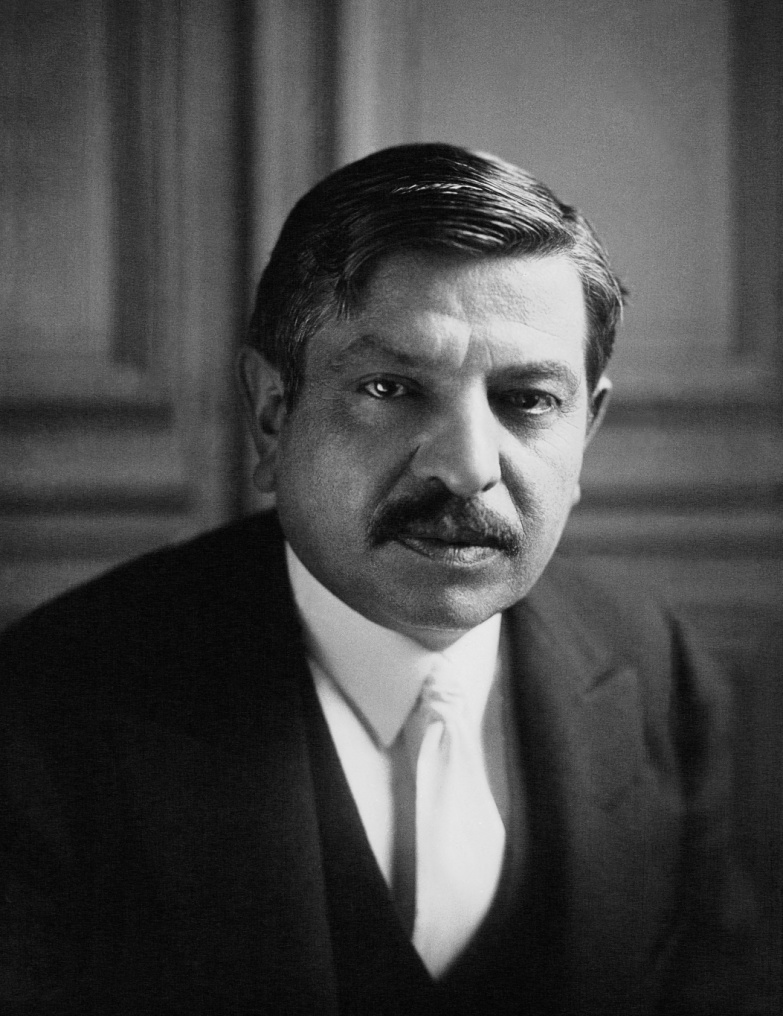
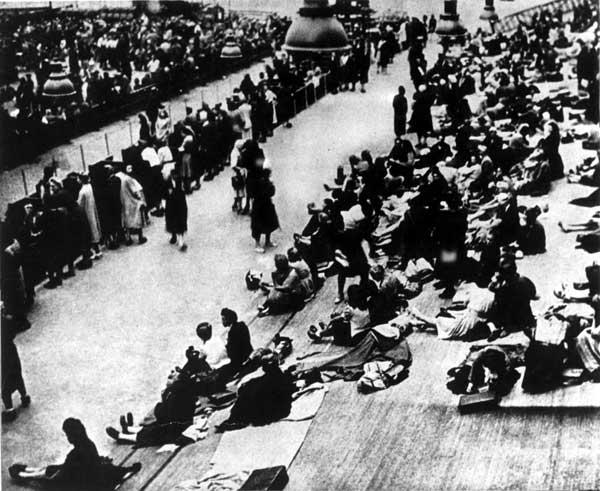
A distinctive feature of the persecution of Jews in France was that it primarily targeted foreign Jews who had sought refuge in the country. Nearly half of the 350,000 Jews living in France in 1940 did not hold French citizenship. Beginning in the autumn of 1940, and without specific pressure from the German authorities, the collaborationist regime of Marshal Pétain and Prime Minister Pierre Laval implemented a series of antisemitic decrees.
1942: the first deportations
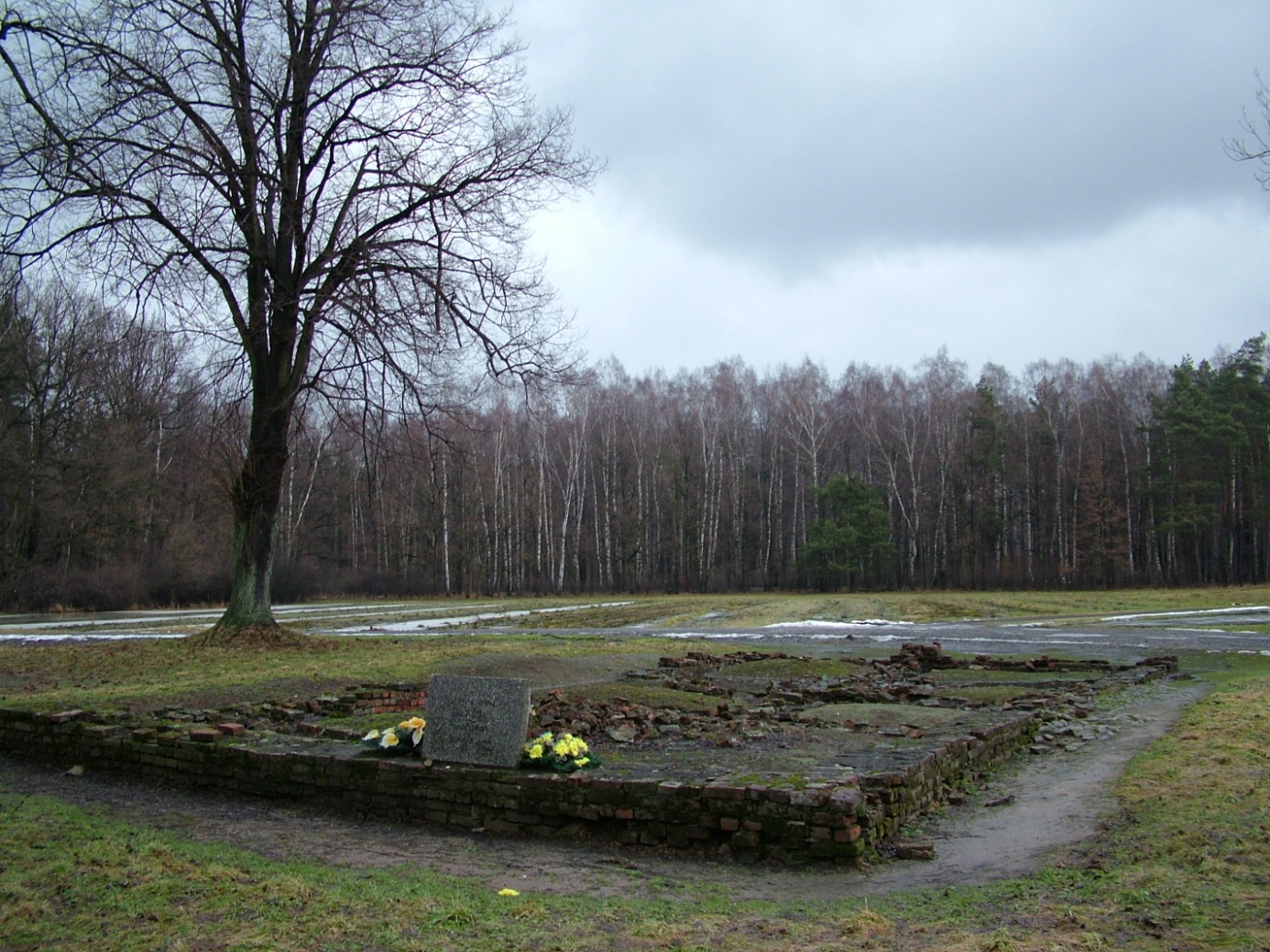
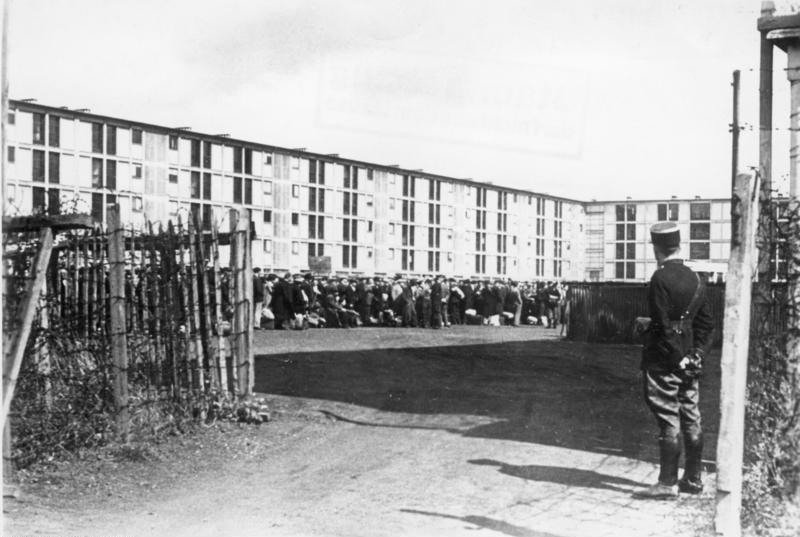
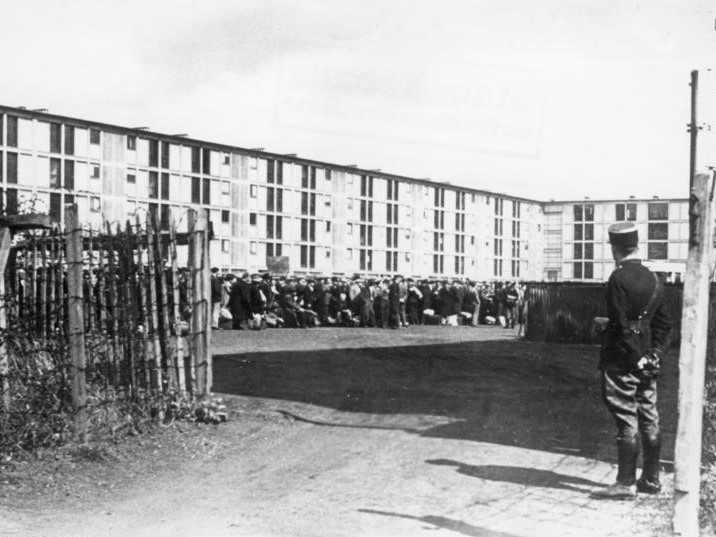
The German police had already been arresting Hungarian Jews since 1941 – many of them were from Budapest. Adolf Eichmann, the SS Lieutenant Colonel who headed the Jewish affairs desk of the Gestapo in Berlin, was represented in Paris by SS Captain Theodor Dannecker. In France, Dannecker coordinated measures against Jews, including raids, and from the spring of 1942, he was responsible for deportations. The first train left the Compiègne prison on March 27, 1942, bound for the internment camp established in Drancy, a suburb of Paris. The destination was Auschwitz. Among the 1,112 Jews crammed into the cattle cars, at least two were Hungarian citizens: 21-year-old Sándor (Alexandre) Fliegmann and 49-year-old Oszkár Hacker. Both were born in Budapest. All incoming prisoners at Auschwitz were sent for slave labor. In the end, only 22 individuals (2%) survived the liberation. The next five transports, each averaging about a thousand people, departed from Compiègne, Drancy, and the Pithiviers and Beaune-la-Rolande internment camps between June 5 and July 17. Apart from 200 women, all were able-bodied men. Approximately 50 Hungarian Jews were sent to Auschwitz with these convoys, including the youngest, 20-year-old Miklós (Nicolaus) Basch from Budapest, and the oldest, 54-year-old Israel Guttmann from Újfehértó. In July, a fundamental change occurred at Auschwitz: near the newly constructed Birkenau camp (Auschwitz II), the SS transformed two Polish farmhouses into airtight gas chambers.
Julia Polgár, 42, was arrested by the French police in July for failing to fulfill an administrative obligation under an anti-Jewish measure. As a punishment, she was sentenced to one month in prison and fined 2,400 French francs, and her apartment was confiscated. She was then interned in Drancy and handed over to the Germans, who deported her to Auschwitz on 14 September in convoy 32. More than 40 other Hungarian Jews were also crammed into the cattle cars, three-quarters of them from Budapest. Zsigmond Beck (Sigismond Beck), 41, born in Bácsalmás, ran a typewriter shop on the Boulevard Voltaire in Paris. After his arrest, he was deported with the 34th convoy on 18 September 1942. Half of the 30 or so Hungarian Jews in this transport were from Budapest. In 1942, a total of 43 transports left France for Auschwitz. Of the 41,151 deportees, more than 400 (about 1%) were of Hungarian origin or Hungarian citizens. About half of them came from the Hungarian capital. During the 1942 selections, SS doctors sent an average of 59% of French transports to the gas chambers immediately upon arrival.
Drancy, Auschwitz, Sobibor
In November 1942, the deportations stopped. There were several reasons for this. In November, the Anglo-American forces landed in North Africa and the Germans responded by occupying the free zone (Vichy), which had until then been under French control. These events, together with the German defeat at Stalingrad on the Eastern Front, significantly reduced the willingness of the French police to collaborate. Until then, four-fifths of the Jews deported were arrested by the French police and not by the Germans. Eichmann replaced Dannecker because of halting transports and corruption.
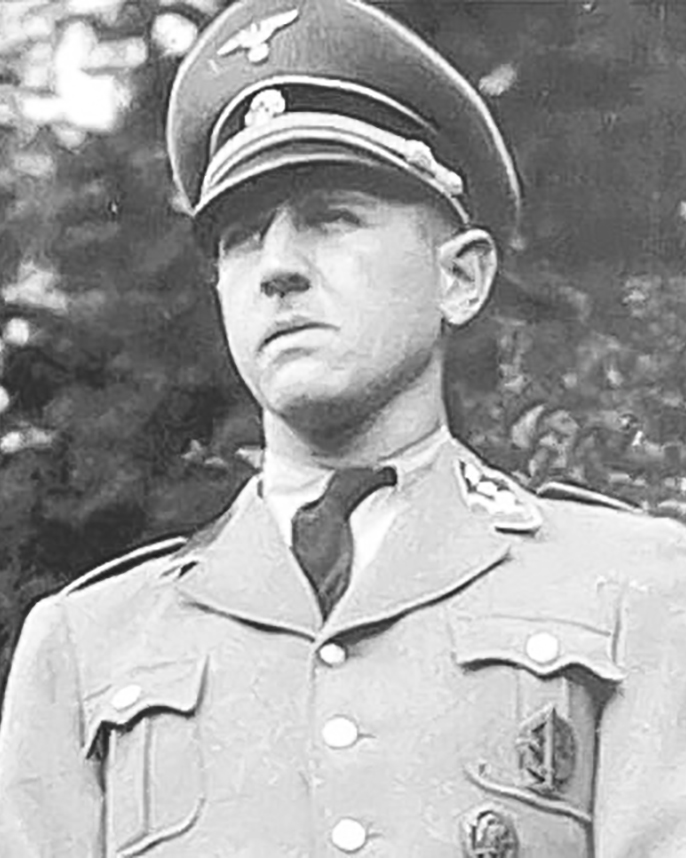
On March 4, 1943, the SS transferred 100 men from the 49th train to Auschwitz to the Sonderkommando, a Jewish work team working in the crematoria. Among them was Béla Földes (Bela Foeldisch), born in 1909, who was given the number 106099 and was ordered to burn the corpses. Földes escaped five days later with another prisoner. His companion was shot, and Földes was captured and imprisoned in the Gestapo cellar in the camp, where he died of torture a week later. After this, Auschwitz did not receive any transports from Western Europe for several months.
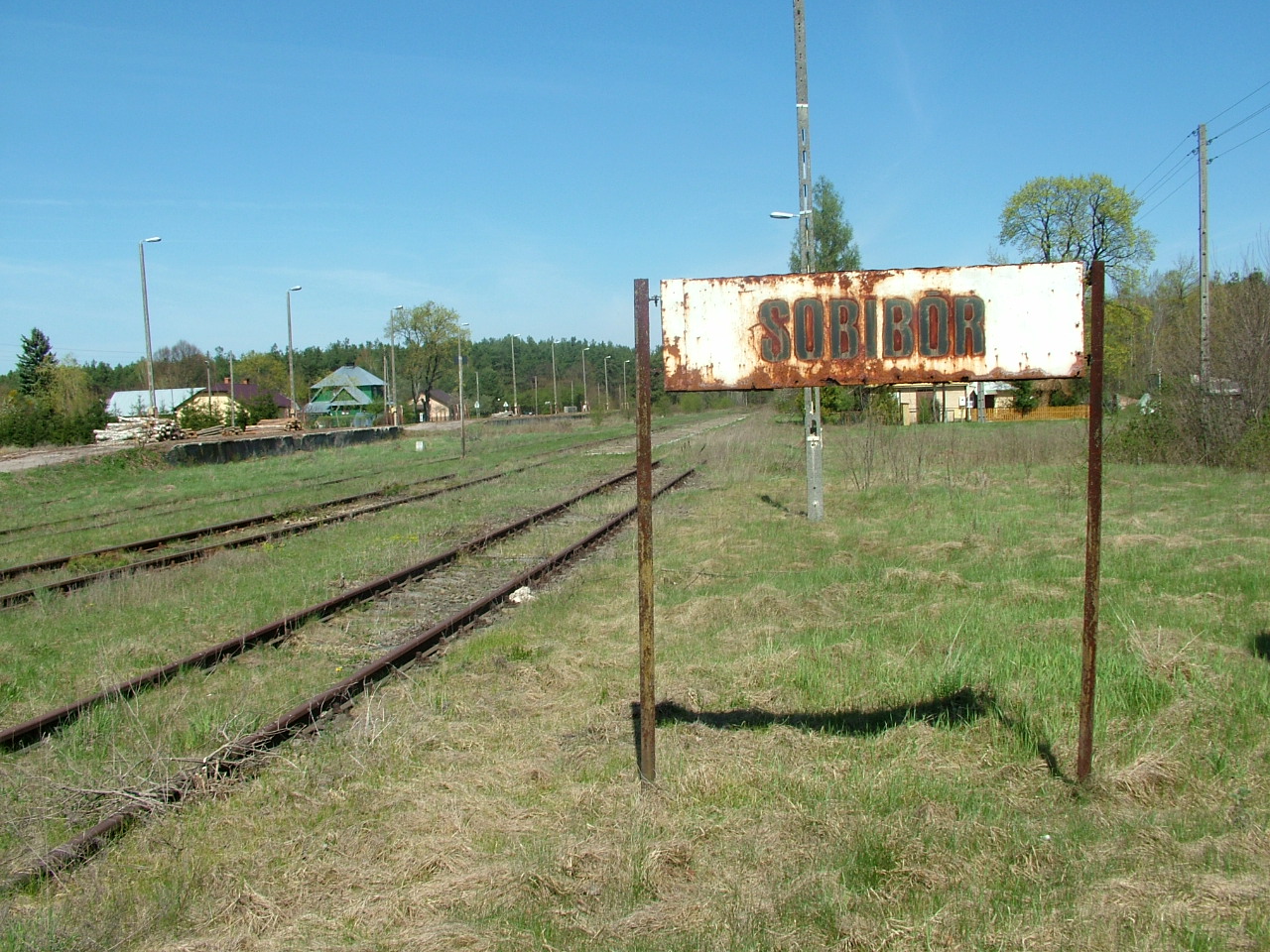
The French police refused to deport Jews who held French citizenship, while the Germans lacked sufficient personnel to conduct independent operations. Helmuth Knochen, the head of the Sicherheitspolizei and the SD in France, requested 250 German police officers fluent in French from the Gestapo chief. However, the request was denied due to a severe shortage of personnel. In the end, Eichmann promised to send only four men. Even so, deployment had to wait until his team completed the deportation of the 50,000-strong Jewish community of Thessaloniki, Greece. That operation eventually concluded in early June. Shortly afterward, SS-Hauptsturmführer Alois Brunner and three of his warrant officers arrived in Paris. Brunner was one of Eichmann’s most effective murderers; by that time, he had already overseen the deportation of nearly 100,000 Jews from Vienna, Berlin, and Thessaloniki.
Brunner wasted no time at his new post: on June 23, he already dispatched a transport (Convoy 55) to Auschwitz. Among the 1,018 Jews on board were around two dozen Hungarian citizens. The youngest was 14-year-old Frida Friedmann from Munkács (today: Mukachevo, Ukraine), and the oldest was 75-year-old Mrs. Reiner, née Ilona Weisenfeld. The journey took three days, and they arrived on June 25—the very day that the last of the new crematoria (Crematorium III) was completed at Birkenau. With this, the camp’s cremation capacity, according to SS official calculations, rose to 4,756 bodies per day. Half of the transport, including several Jews from Budapest, were executed in one of the crematoria.
In early July, control of Drancy was transferred from the French police to the SS. Brunner himself became the camp commander, and based on his prior experience, he thoroughly reorganized Drancy: he had the walls painted, installed new showers, allowed families to live together, and established a Jewish police force to maintain internal order. Alongside these morale-boosting measures, Brunner introduced previously unknown levels of terror: prisoners were no longer allowed to correspond with the outside world, and even the slightest violation of the rules was punished with public flogging. The commander personally beat and kicked Jews. Two prisoners died after Brunner struck their heads with a stone. Just as he had done earlier in Thessaloniki, Brunner systematically robbed the Jews: he confiscated their francs under the pretense of currency exchange, issuing them receipts that promised equivalent zlotys “upon relocation to the East.” When the deceived owners arrived at Auschwitz and waved their receipts demanding their money, the laughing SS men sent them to the gas chambers.
Raid on the Côte d'Azur
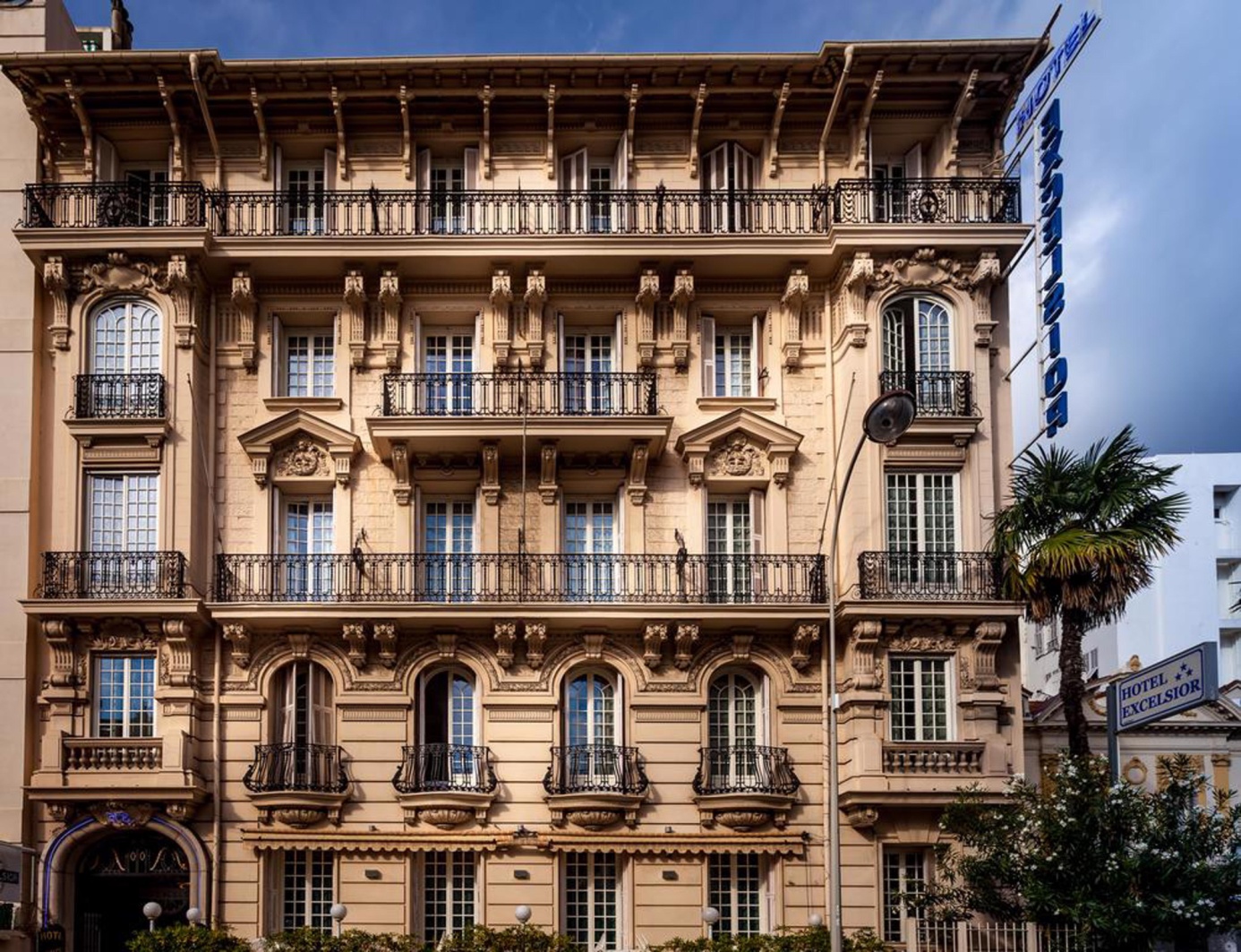
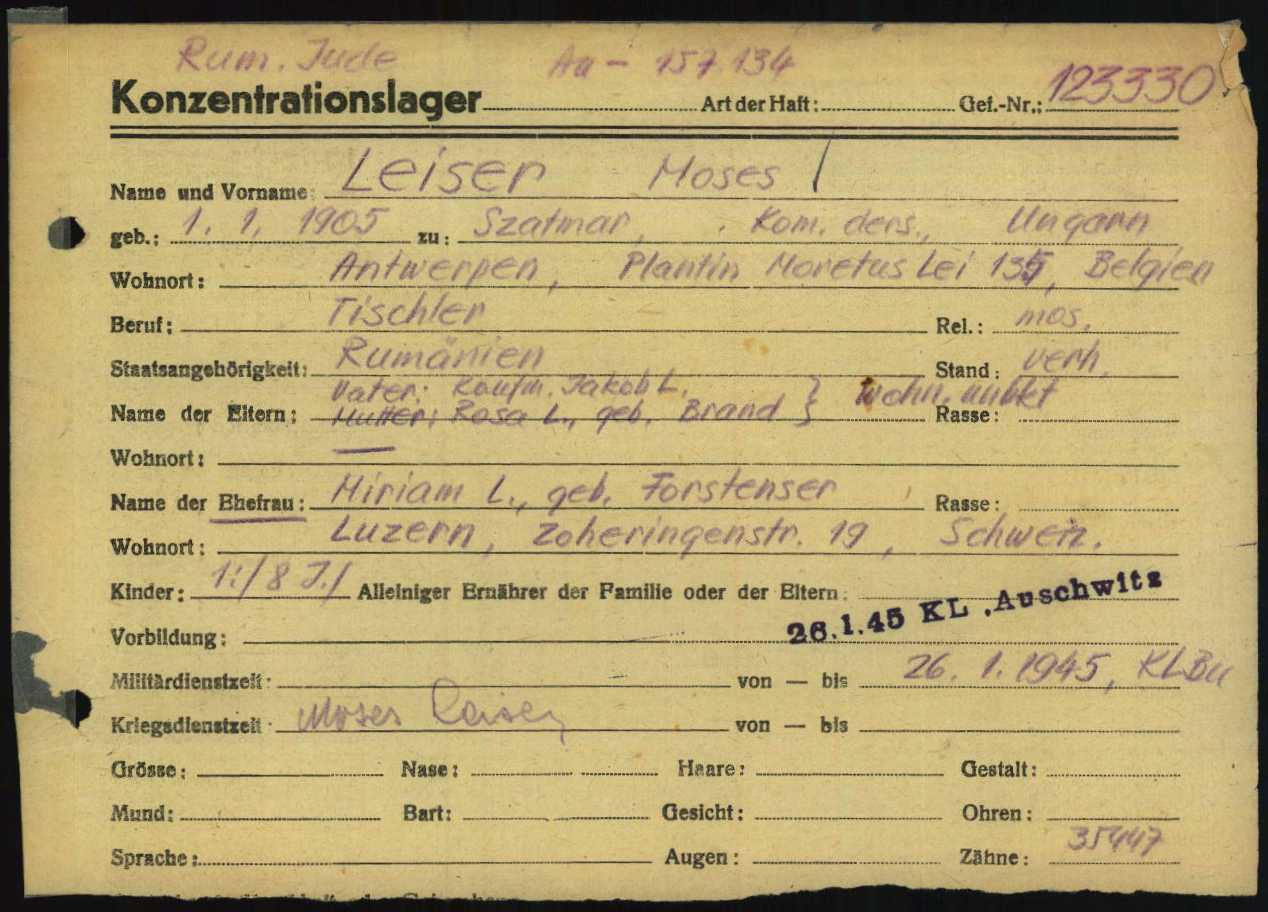
In the summer of 1943, Italian dictator Benito Mussolini was overthrown, and that autumn, the new Italian government withdrew from the war. Hitler ordered the occupation of Italy, and German troops moved into the territories previously held by the fascist Italian army—including the French Riviera. The roughly 20,000 Jews living in Nice had previously been left entirely undisturbed by the Italians. But now, Brunner rushed to the scene and launched a surprise crackdown. Since the French police refused to provide the Jews’ addresses or assist in the operation, the Germans had to rely solely on their own limited forces. A brutal manhunt ensued: SS commandos roamed the seaside city, stopping and checking the documents of anyone who looked Jewish on the open streets. They searched train stations and conducted raids in hotels. Those arrested were dragged to Brunner’s headquarters in the Hotel Excelsior, where they were tortured to force them to reveal the addresses of relatives or acquaintances. One of the unlucky victims was 38-year-old Mózes Leiser, born in Szatmárnémeti (today: Satu Mare, Romania) who happened to be staying at that very hotel. He was arrested immediately.
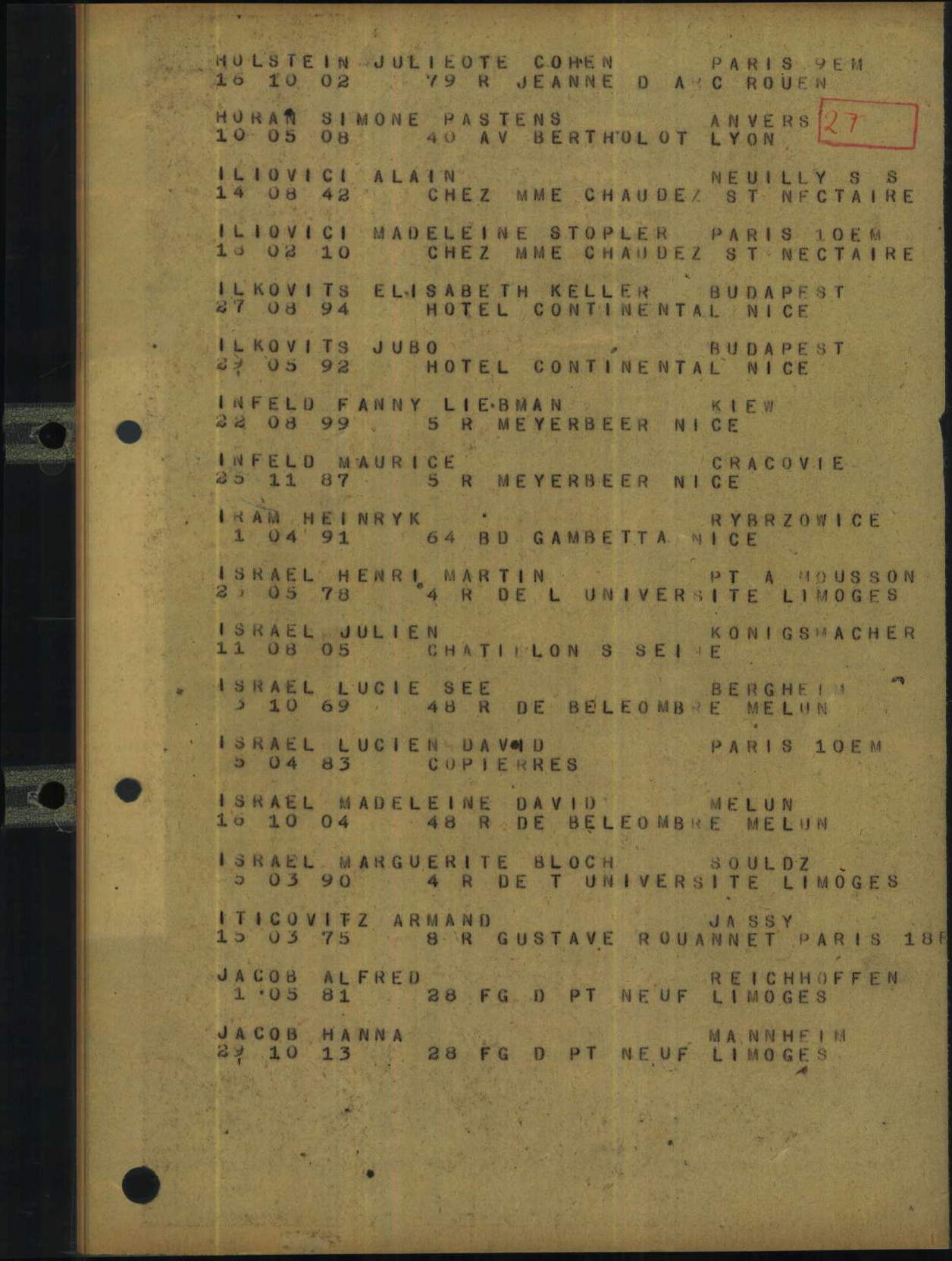
Gyula Ilkovits (also known as Jules or Julien), 51 years old, and his wife, Erzsébet (Elisabeth), had long been petitioning the Hungarian authorities to be allowed to return to Budapest. Although their documents were in order, Brunner’s men arrested them at the Hotel Continental and transported them from Nice to Drancy on 17 October 1943. In Budapest, Ilkovits’s brother searched in vain for them among Jews who had successfully returned home and was understandably concerned for his ailing brother. Even in January 1944, the Hungarian consulate in Paris received word from Brunner that the Ilkovits couple was still at Drancy. Meanwhile, a Parisian acquaintance—hoping to accelerate their repatriation—handed over their valuables, including Erzsébet’s diamond-studded bracelet, brooch, and watch, to the Hungarian consulate. But the efforts of family and friends proved futile: the SS had lied, and by then the couple had long been dead. Brunner had had them deported to Auschwitz with the 62nd transport two months earlier, on 20 November 1943, where they were sent to the gas chamber.
In the end, the Nice operation proved a relative failure for the Nazis: without French help, Brunner and his men were only able to capture 2,100 people, barely a tenth of the Jews in hiding. Nor did they succeed in speeding up the deportations: between September and December 1943, despite all efforts, only six transports left Drancy for Auschwitz. Of the 6,050 Jews, more than 200 were Hungarian citizens, most of whom were from Budapest.
The last transports
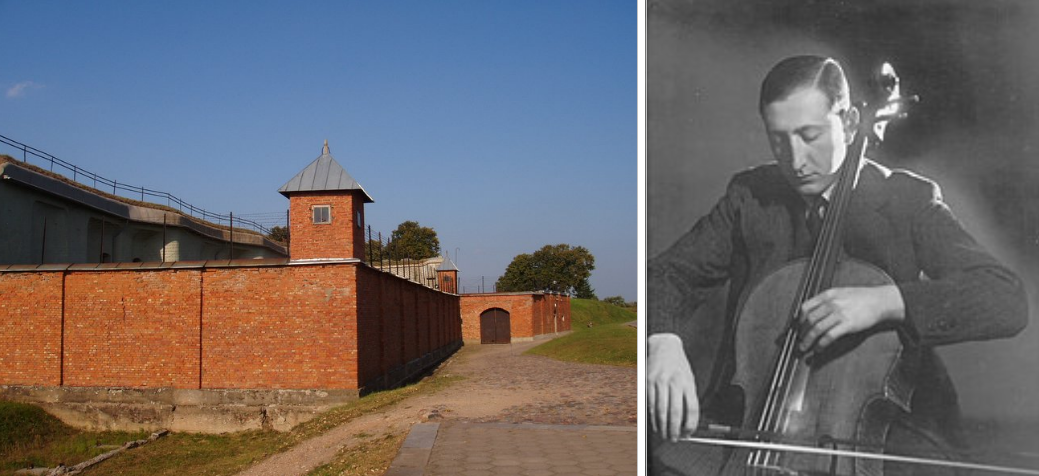
Between January and April 1944, Brunner sent 8,900 people (including at least 100 Hungarian Jews, mainly from Budapest) to Auschwitz in seven transports. After their arrival, the SS immediately gassed 79 percent of them. However, the 73rd convoy, which left on 15 May 1944, was not received by Auschwitz. On 16 May, the bloodiest chapter od the camp's history began: the murder of the mass transports from the now occupied Hungary. Already in the first 24 hours of the operation, three trains arrived with some 10,000 Hungarian Jews. The train from Drancy was therefore diverted from Auschwitz-Birkenau to Kaunas in Lithuania. That it was obviously a makeshift solution is clearly shown by the fact that the SS there were unable to deal with them. Although all 878 Jews were capable of working, only 200-300 were given jobs—not even locally, but 600 kilometers further north, in Reval (now Tallinn) in Estonia.
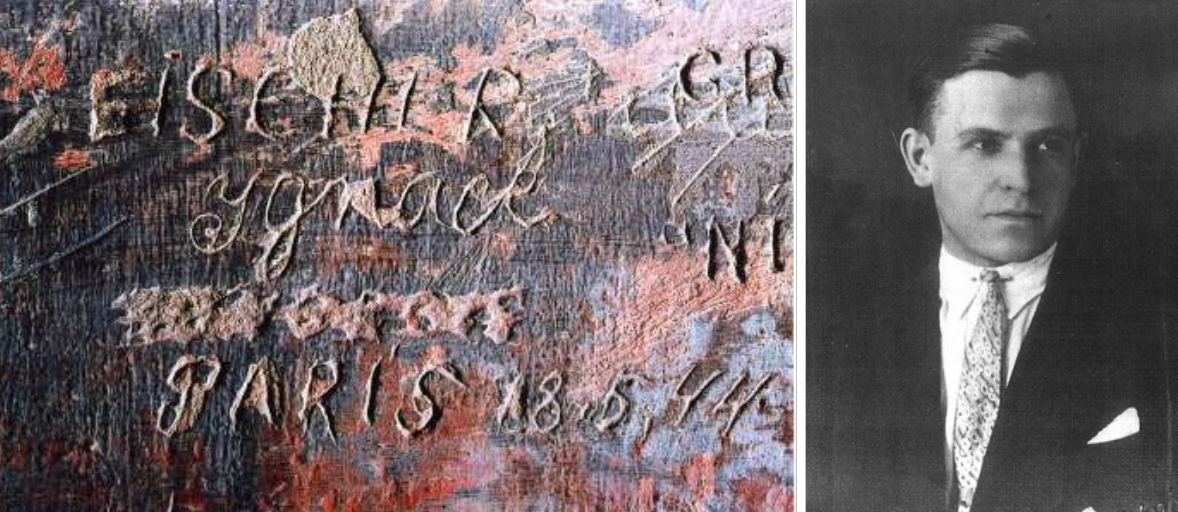
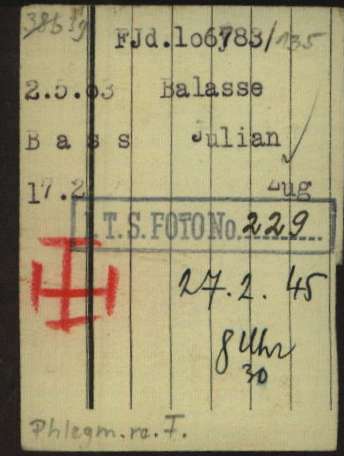
Click here for the list of Budapest Jews deported from France.
-
-
-
-
Budapest, Paris, Auschwitz. Budapest Jews and the Holocaust in France
-
Invasion, Police Raids, Internment. The German Occupation and the Budapest Jews
-
-
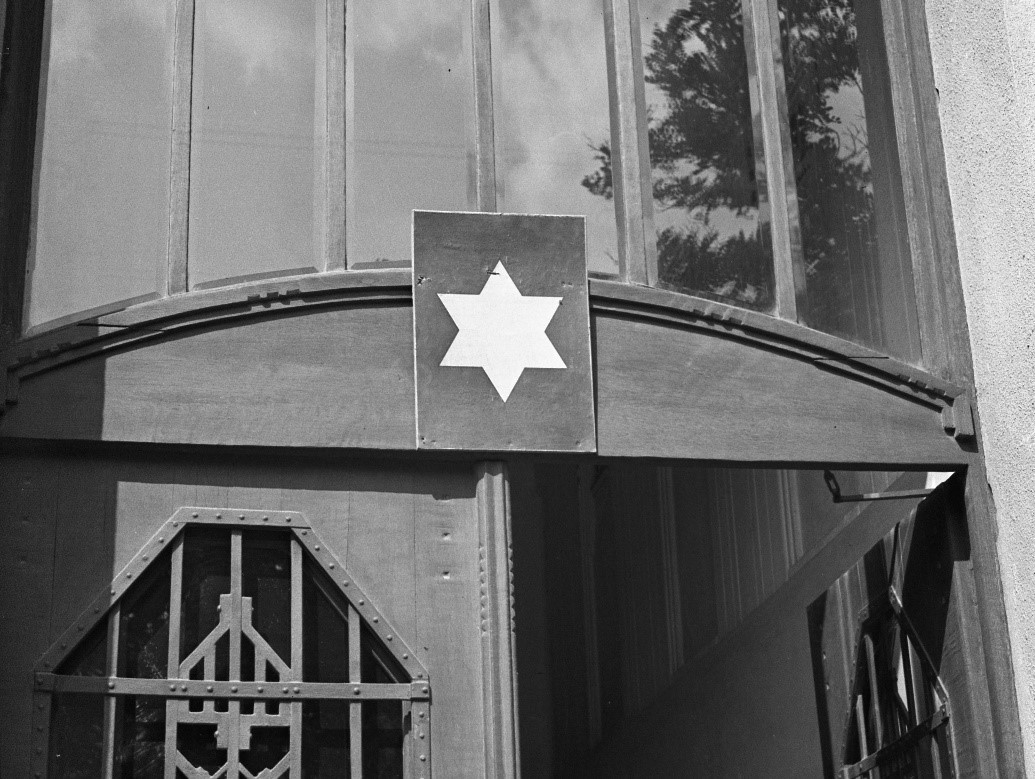
Star-Marked City. The First Ghettoization of the Budapest Jews
-
-
"In Poland, Jews are being gassed and burned." The Suspension of the Deportations
-
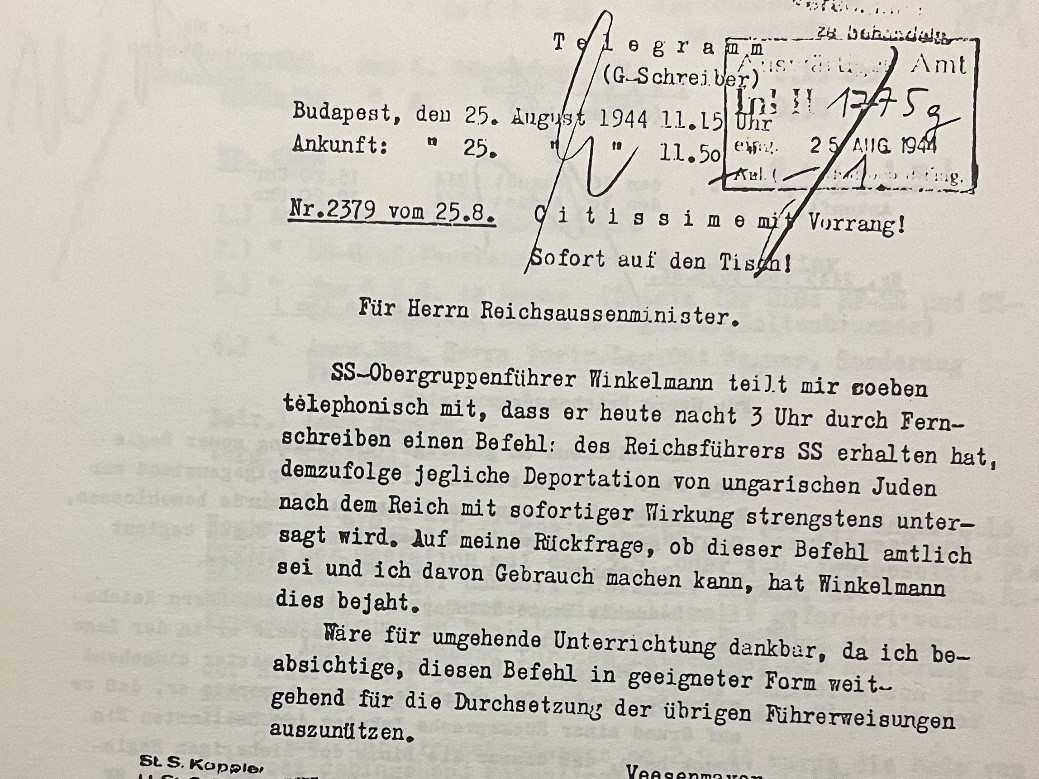
Chips on the Poker Table. The Fate of the Budapest Jews in August 1944
-
“They are being killed with gas and burned.” What did the Budapest Jews know and what could they do?
-
Großaktion Budapest. How would the Jews of Budapest have been Deported?
-
“The Danube was Red with Jewish Blood.” Arrow Cross Murders in Budapest
-
-
Death March, Brick Factory, Slave Labor. The Budapest Deportations in Late 1944
-
Ghetto and Liberation. Jews of Budapest at the End of the War
-
-
To Obey or Resist? Group and Individual Responses to Persecution in Budapest
-
-
Fates in Budapest. The Founder of the Hungarian Pharmaceutical Industry: Gedeon Richter
-
-
Fates in Budapest. The Rosenthal Saga: Forced Labor, Bergen-Belsen and the "Horror Train"