To Obey or Resist? Group and Individual Responses to Persecution in Budapest
In the ten months between the German occupation and liberation, the Jews of Budapest, their communities and organizations, had to decide how to respond to the murderous persecution.
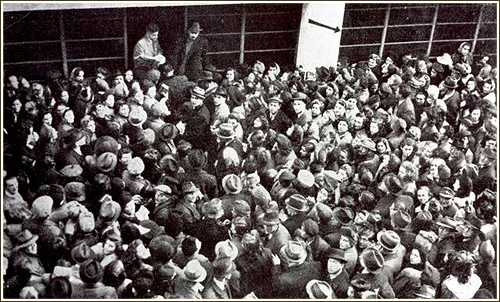
Although there were instances of Budapest Jews confronting their killers with guns in hand (for example, in and around Teleki Square on 15-16 October 1944), these were heroic but rare moments. No significant armed Jewish resistance was or could be formed in Hungary. There were many reasons for this. Within hours of the invasion, the Gestapo arrestedpotential leaders of the anti-Nazi resistance. Unlike in France, Poland and the Soviet Union, there was not enough time to organize national resistance in Hungary, where the war ended a year after the German occupation. Jewish resistance could not, therefore, cooperate with an armed national liberation movement with a broad social base, because there was no such movement.
In Europe, months or years passed between each stage of the “Endlösung”. The deportation of Slovak, French or Dutch Jews took more than two years. In contrast, Hungarian Jews were ghettoized in few months, and then Jews from the countryside were deportedin 56 days. A large part of Hungarian society was not hostile to the occupying Germans, as the country had been an ally of Nazi Germany for years. The ghettoization and deportation were seen by the majority of Hungarian society as a continuation of the antisemitic measures of the previous years. The Jews' ordeal was not seen as a tragedy for the whole country, but as the fate of "only" a well-defined ethnic-religious group, different from the majority. In addition, the removal of the Jews and the distribution of their property brought financial gain for many. The Jewish resistance could therefore not rely on the active support of the Christian majority. A further difficulty was the lack of men of military age, as almost all the young Jewish males were conscripted into the Hungarian army as unarmed labor servicemen.
The Jewish Council
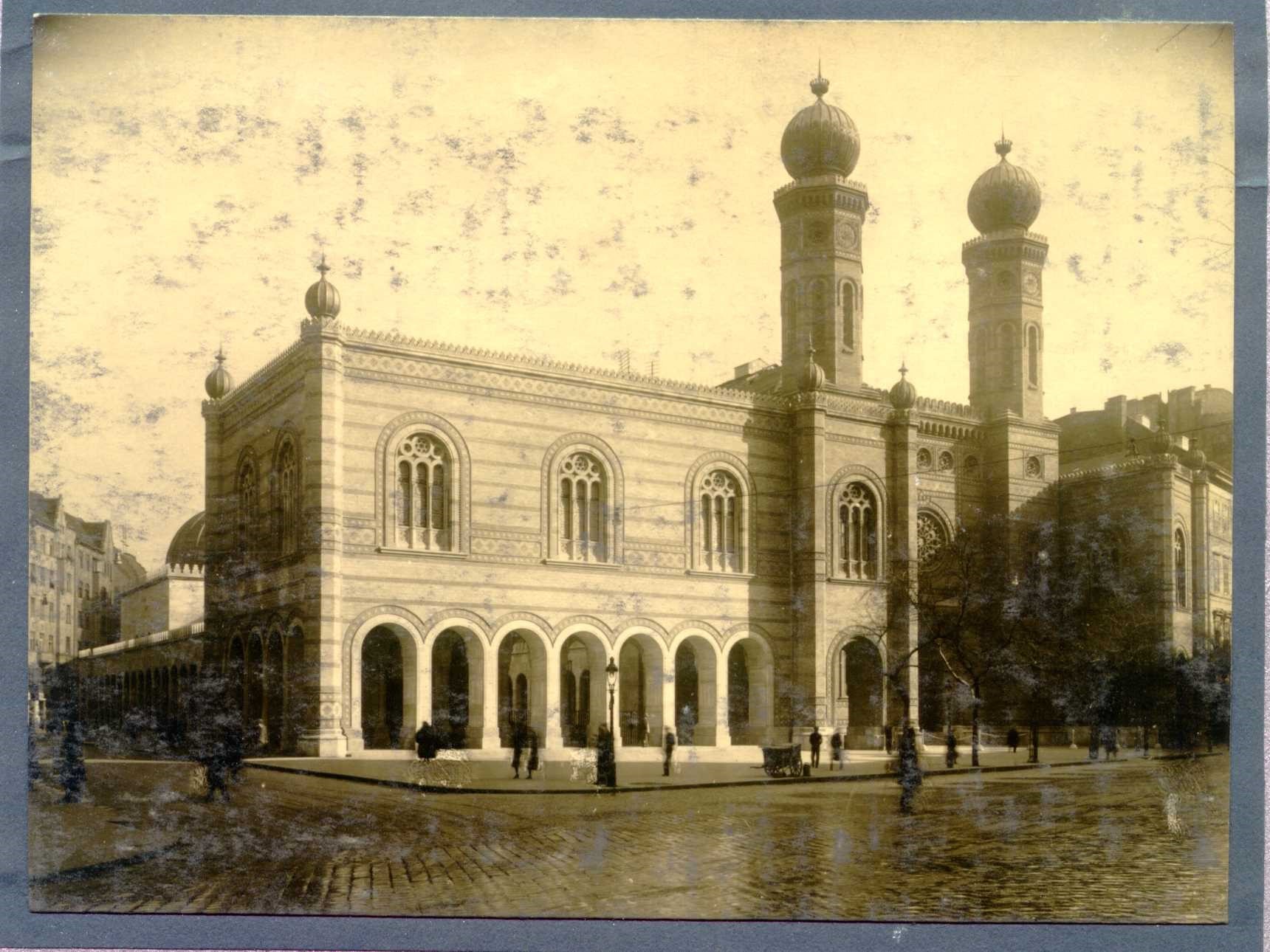
The role of the Jewish Council remains a subject of heated debate to this day. Many accuse its members of collaborating with the Nazis, while others claim that its activities contributed to the aid and rescue of many people or at least were satisfactory under the circumstances. The Central Jewish Council (Központi Zsidó Tanács) was set up in Budapest in March 1944 under German orders after the occupation. It was headed by Samu Stern, who was president of both the National Office of Hungarian Israelites, the umbrella organization of Neolog communities, and the largest and most affluent Hungarian Jewish entity, the Israelite Community of Pest. The overwhelming majority of the eight-member Council was also drawn from the traditional Neolog Jewish elite, which was closely associated with the conservative Hungarian government circles between the two world wars and was characterized by unquestioning, often downright exaggerated Hungarian patriotism. 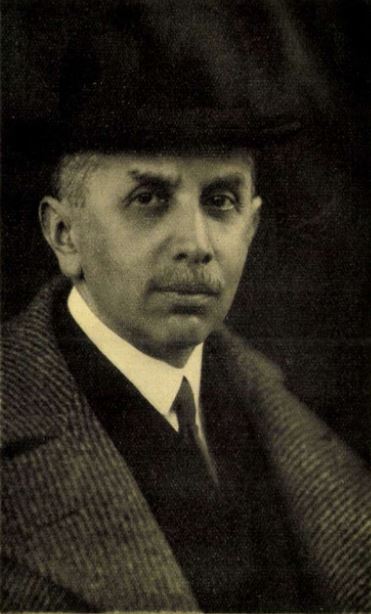
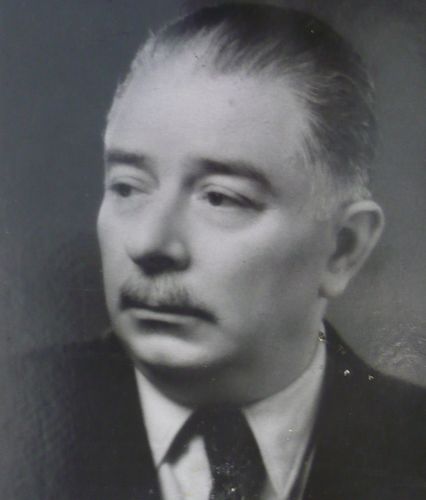
On the other hand, the Council supported the illegal work of the Zionists and the Nazi-Jewish negotiations (see below). When Regent Miklós Horthy and his circle were organizing the break from the German alliance, the Council hatched (totally unrealistic) plans with them to arm the labor servicemen. When, after the deportations were suspended, the Nazis tried to smuggle a transport out of the country without Horthy's knowledge, the members of the Council informed the Regent, who had the train stopped and then turned back. Remarkably, most of them held their ground and did not leave the country, although they could just as easily have done so, as did one of the Council members, Fülöp Freudiger, who had fled to Romania with his family in August.
The Zionist groups
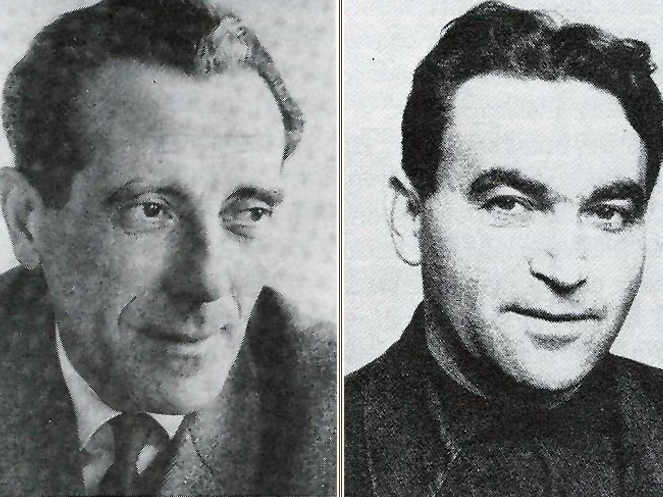
In early 1943, the Budapest Relief and Rescue Committee was established, uniting the Zionist groups operating in Hungary. Its chairman was Ottó Komoly, an engineer, and its executive director Rezső Kasztner, a lawyer and journalist from Kolozsvár (today: Cluj, Romania).
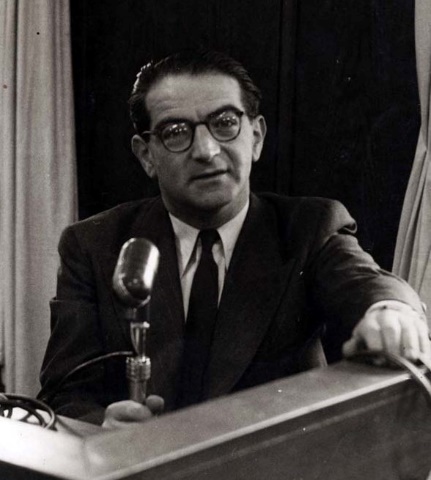
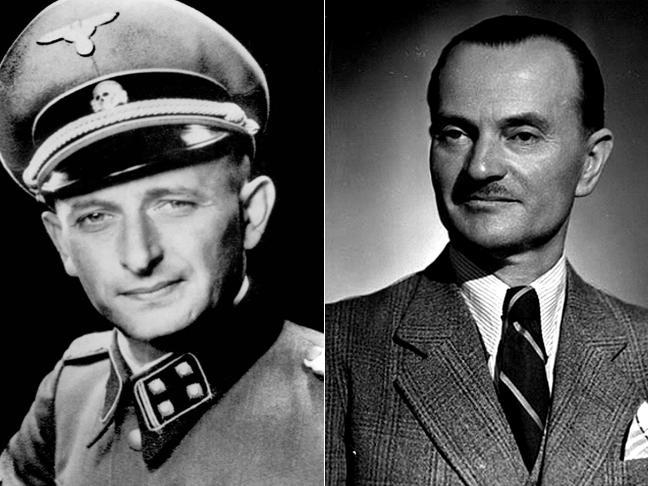
The Rescue Committee, under Kasztner's leadership, entered into bizarre negotiations with Eichmann and later with SS Colonel Kurt Becher, the representative of the head of the SS, Heinrich Himmler, in Hungary. The background to this was that Himmler was trying to establish contact with the Western allies without Hitler's knowledge and, as a staunch antisemite with a firm belief in the “Jewish world conspiracy”, saw the Zionist groups as the best channel for this. In exchange for various benefits, Himmler “offered” one million Jews, including the 200,000 still living in Budapest. The Kasztner group, of course, had no influence over London and Washington, just as Himmler could not “hand over” a million Jews without Hitler's knowledge. But through negotiations, it was possible to get 1,680 people, mostly Jews from Budapest, to Switzerland on the so-called “Kasztner train” in the summer and winter of 1944.
After the war, the Zionist leader was considered by many to be a Nazi collaborator, claiming that the rescue of the chosen few was only possible by betraying the hundreds of thousands of uninitiated. After the war, Kasztner emigrated to Israel, where a dispute over his person and 1944 activities led to a libel trial in which the judge ruled in favor of Kasztner's opponent on most of the issues. Unable to escape the charge of collaboration, Kasztner was shot dead by a Jewish assassin outside his home in March 1957. After his death, the Israeli Supreme Court acquitted him of the collaboration charges.
An important Zionist center was also the so-called Palestine Office, which was set up to coordinate Jewish emigration to then-Palestine. Like the Rescue Committee, it included representatives of various groups. Its executive director, Miklós Krausz, played a significant role in Jewish self-rescue, seeking and finding contacts with the Hungarian authorities and international diplomatic bodies. His activities became particularly important in July 1944, when he moved the Office to the so-called Glass House (29 Vadász Street) and succeeded in placing the building under Swiss diplomatic protection. Although the emigration he had encouraged did not come to anything, the Glass House gave refuge to thousands of persecuted Jews. The most important step Krausz took was to finally deliver the Auschwitz Protocol, which had long been in the hands of the Zionists, to Switzerland in June.
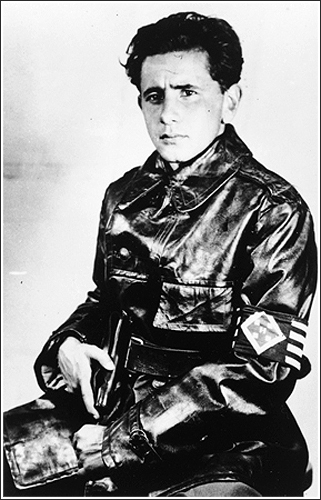
After the German occupation, the young Zionists mainly rescued and transferred their own friends and family members to Slovakia, Romania and the former Yugoslav territories. Many left Hungary on the "Kasztner train". Their forgery workshop with its illegal printing press played a particularly important role. As the system of diplomatic immunity was built up, the volume of document reproduction and distribution tasks increased steadily. The young Zionists carried out their most courageous deeds during the Arrow Cross rule. Dressed in Hungarian and German military uniforms, armed and waving false orders, they rescued people from the hands of the Arrow Cross. They contributed to the International Red Cross ' child rescue operations. Their relations with other Zionist groups were rather tense, but they maintained contact with some of the members of the illegal communist resistance movement.
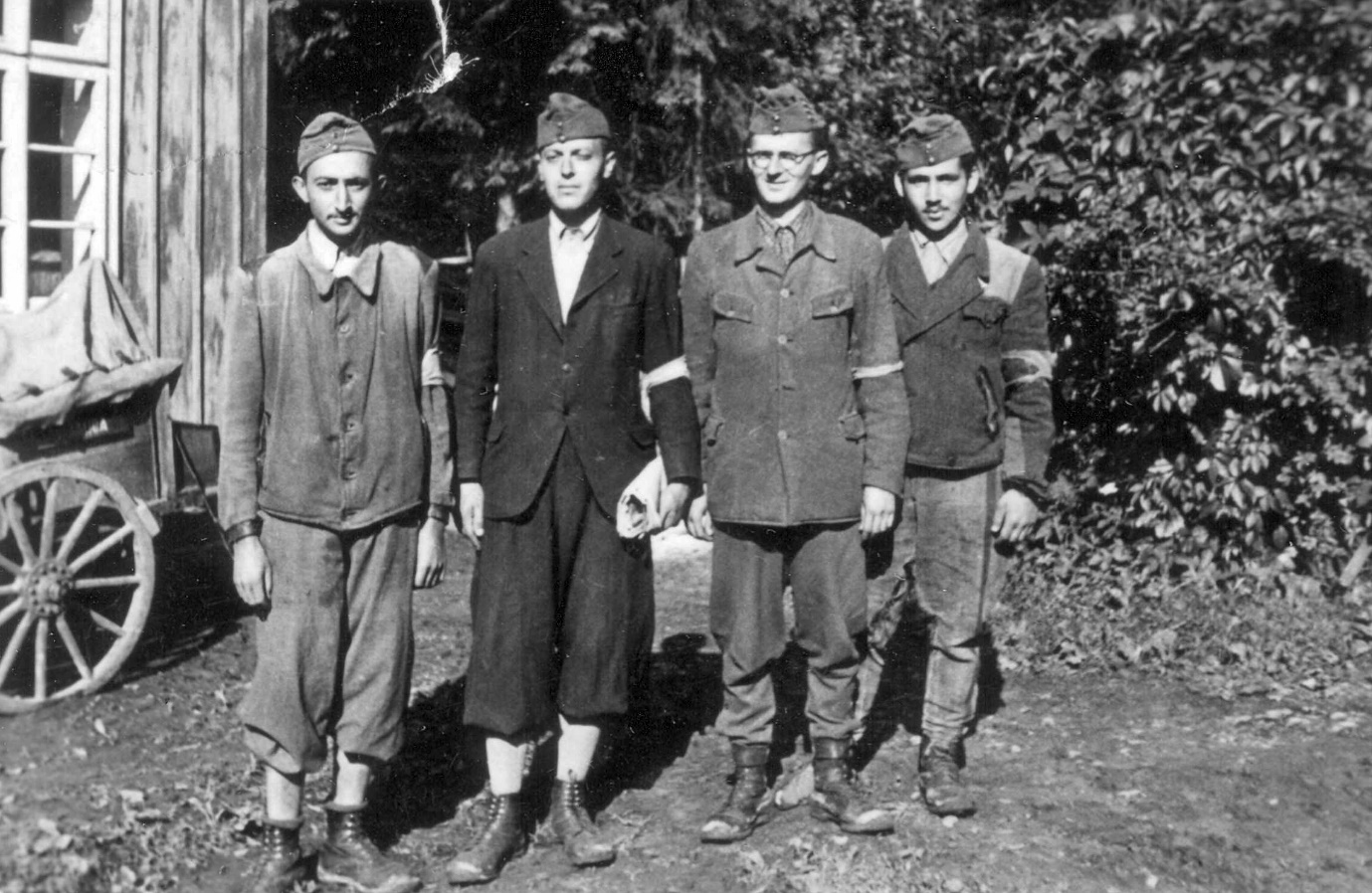
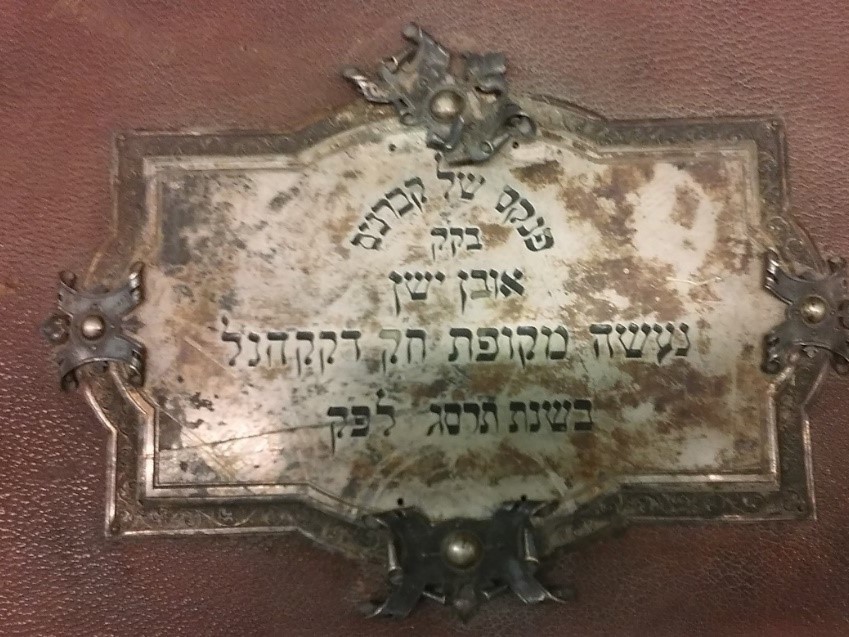
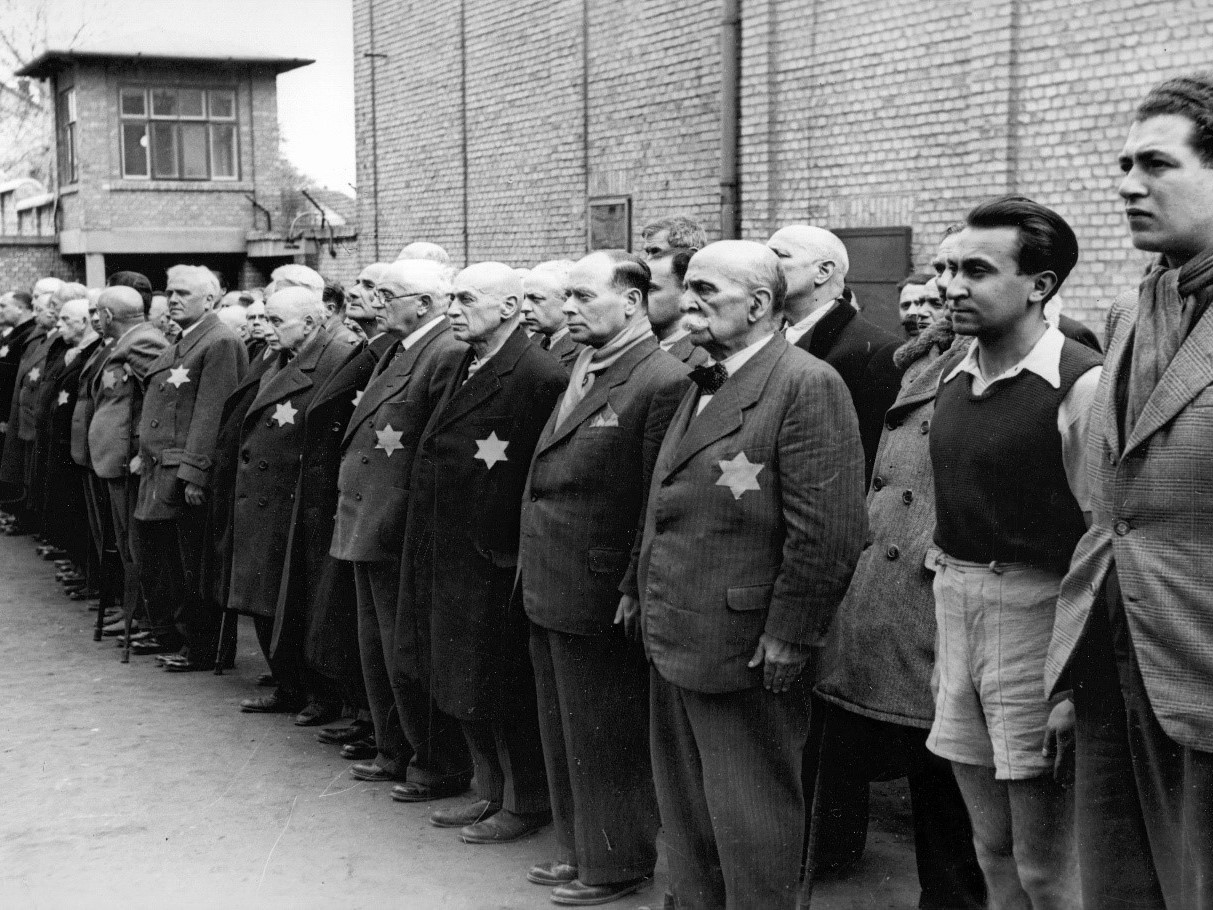
The majority of Hungarian Jews, like their coreligionists all over Europe, obeyed the orders of the authorities, the police, the gendarmerie, the military. Most of them wore the yellow star, moved to ghettos, designated buildings, boarded train cars, and showed up at the place and time stipulated by the summoning orders. At the same time, there were many, tens of thousands of people who "broke the rules", defied the orders, hid with or without false papers, and escaped when and how they could.
There is a significant difference in such patterns of resistance and self-rescue between the countryside deportations in the spring-summer of 1944 and the events in the winter in Budapest during the death marches, ghettos, and the Arrow Cross terror). The ghettoization and deportation in the countryside took place with a speed unprecedented in the history of the Holocaust. The victims did not even have time to recover from the shock of the German occupation, and the operation was already in motion. The topography of the towns and villages outside Budapest was largely unsuitable for hiding. The deceptive fake news campaign of the Hungarian authorities that told the public that the Jews were only taken to work inside the country proved effective. At that time, very few had heard of the real objective of the action: the mass murder of the deported. The rescue operations by neutral countries, which saved the lives of so many in the capital a few months later, had not even begun. Despite this, many of the persecuted tried to escape, but their options were limited. Such attempts were particularly likely to succeed in areas bordering Romania, such as Nagyvárad (today: Oradea) and its surroundings.
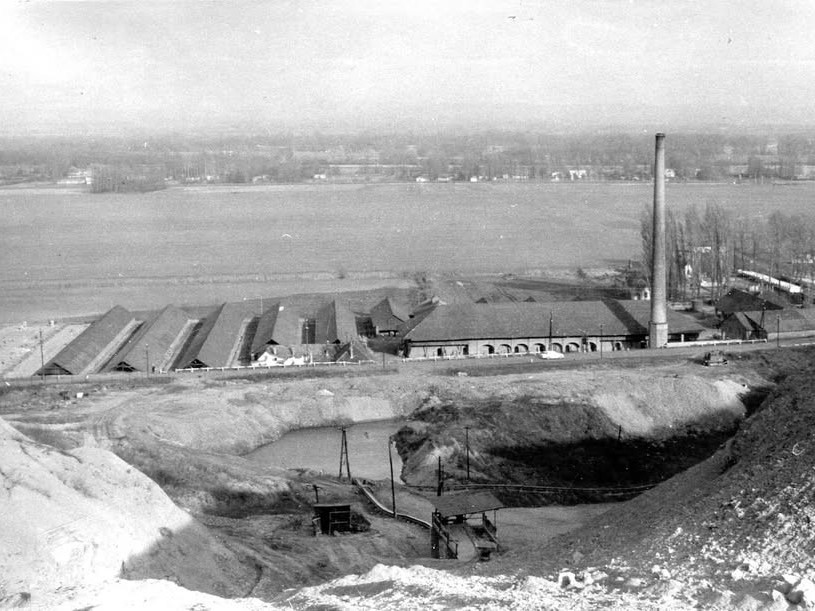
The situation was significantly different in the capital during the Arrow Cross era. The individual willingness of the Christian population to rescue Jews was intensified, as was the activity of neutral diplomacy and of some representatives of the Christian churches. The countryside ghettos, brick factoriesand deportations were witnessed by many throughout the country. During the Arrow Cross terror, the persecution of the Jews could arouse sympathy in many because tens of thousands of non-Jews, deserters, anti-Nazis, and others were also hunted, arrested, and murdered. The summer events and the horrors of the Arrow Cross rule thus prompted many to take action and to rescue Jews. The approach of the Soviet troops and the certainty of German defeat were also important in strengthening resistance tendencies. The capital had the most family and personal connections between Jews and non-Jews, which again created more favorable conditions for the persecuted. Let us also not forget that, because of its size, Budapest was the most suitable Hungarian city for hiding. All these circumstances led to the fact that in January 1945, there were between 20 and 30,000 Jews “illegally” hiding in the city.
-
-
-
-
Budapest, Paris, Auschwitz. Budapest Jews and the Holocaust in France
-
Invasion, Police Raids, Internment. The German Occupation and the Budapest Jews
-
-
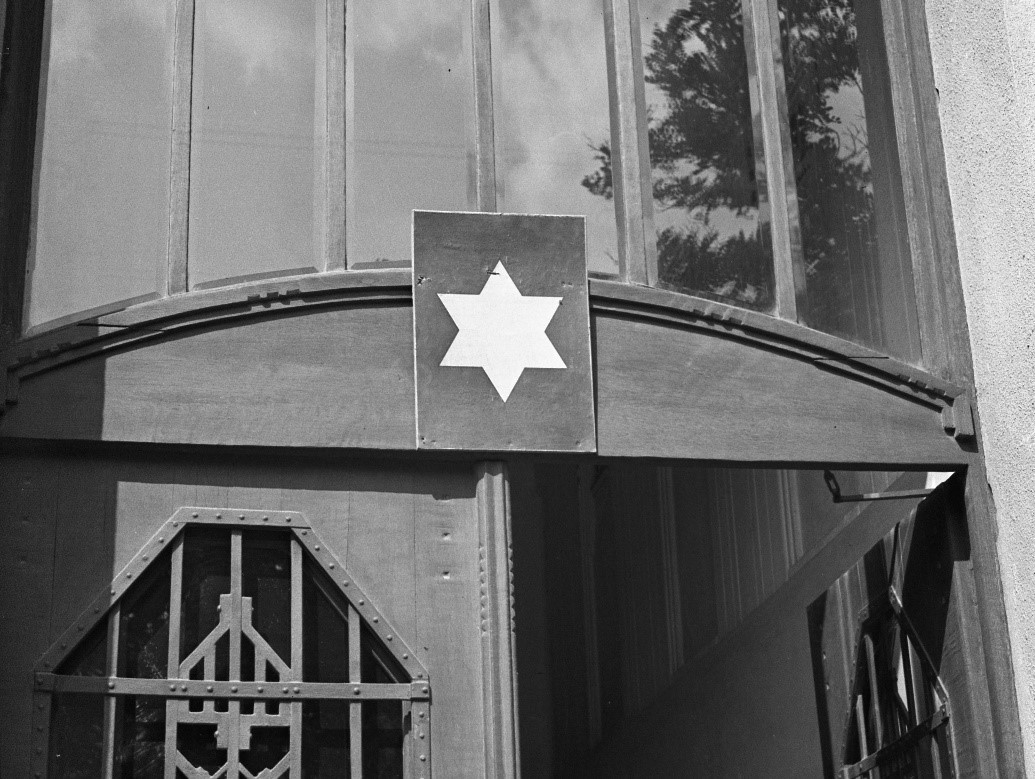
Star-Marked City. The First Ghettoization of the Budapest Jews
-
-
"In Poland, Jews are being gassed and burned." The Suspension of the Deportations
-
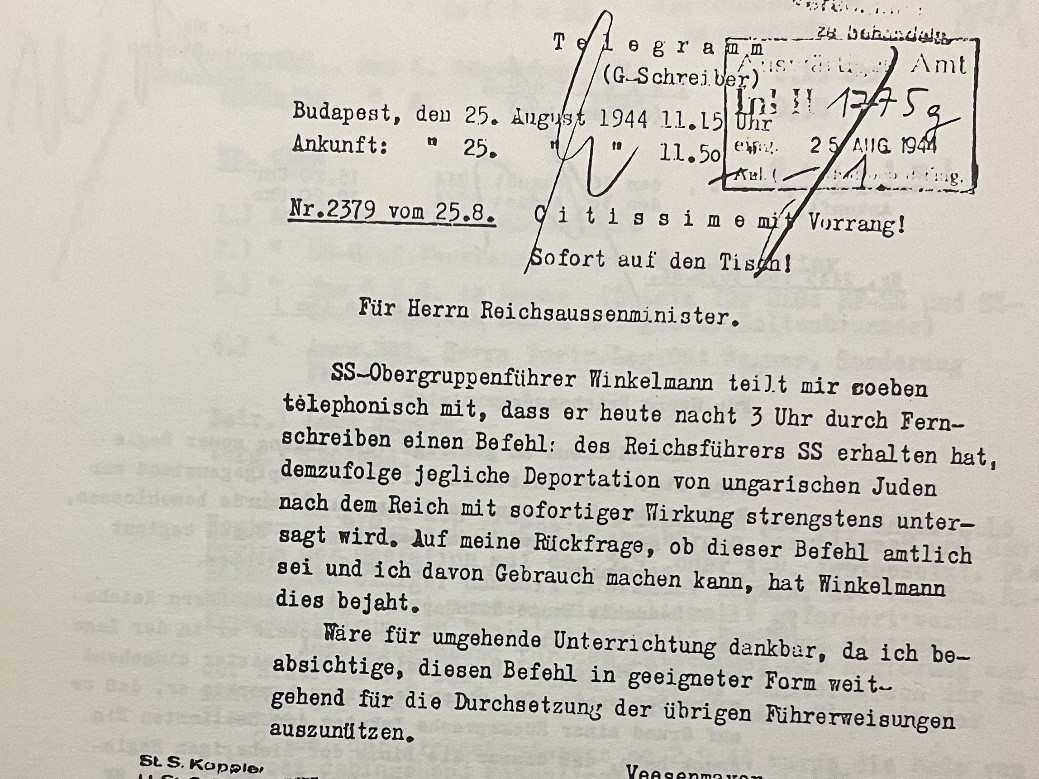
Chips on the Poker Table. The Fate of the Budapest Jews in August 1944
-
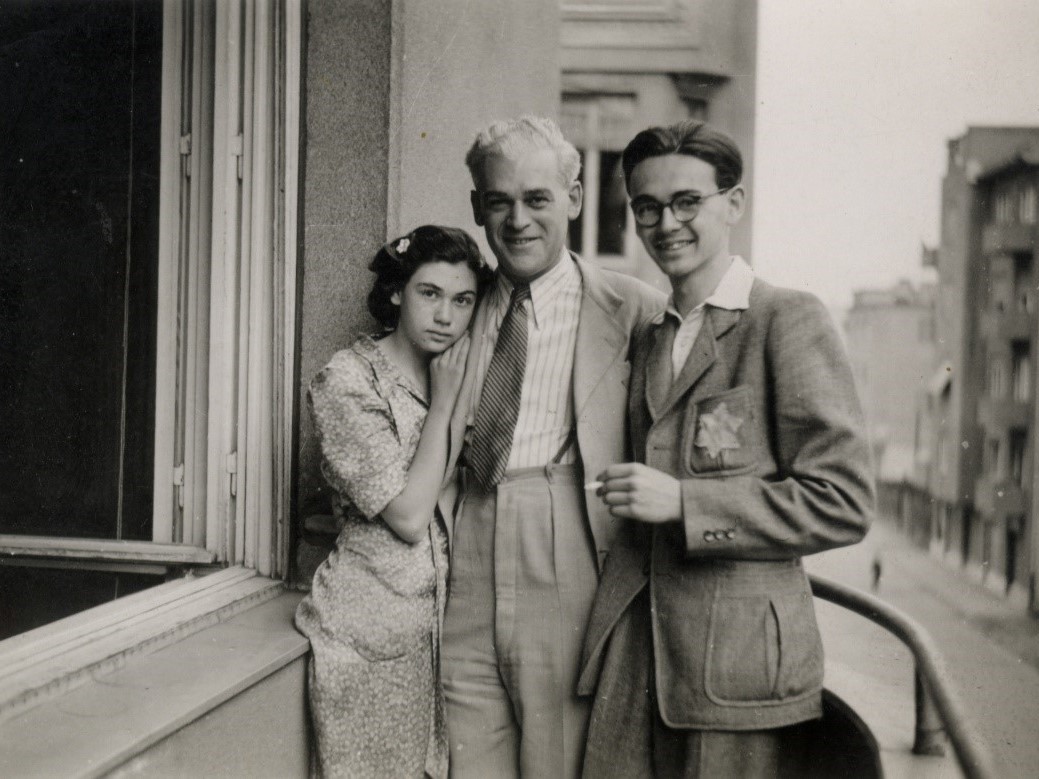
“They are being killed with gas and burned.” What did the Budapest Jews know and what could they do?
-
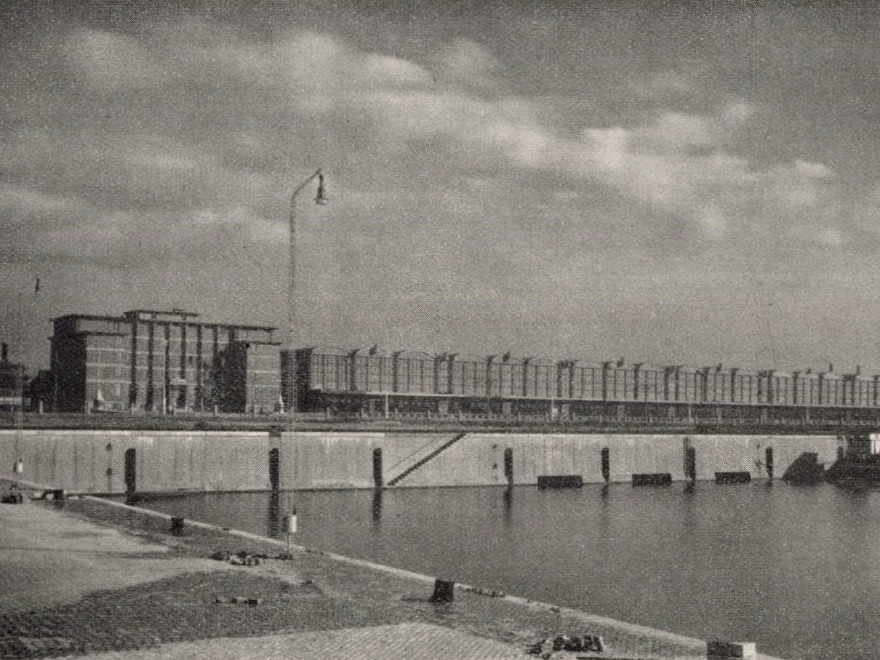
Großaktion Budapest. How would the Jews of Budapest have been Deported?
-
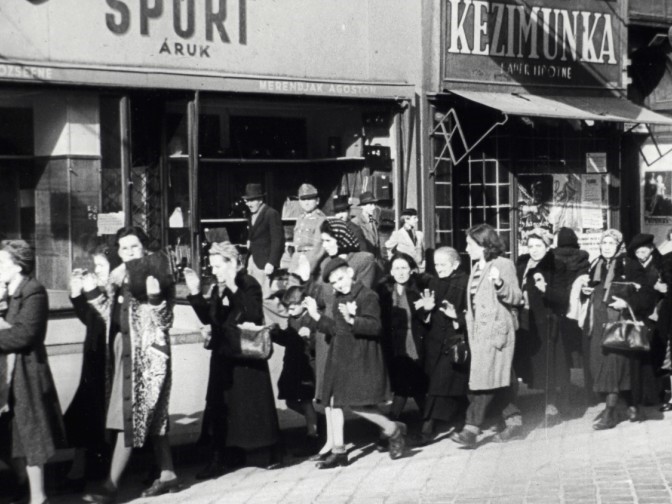
“The Danube was Red with Jewish Blood.” Arrow Cross Murders in Budapest
-
-
Death March, Brick Factory, Slave Labor. The Budapest Deportations in Late 1944
-
Ghetto and Liberation. Jews of Budapest at the End of the War
-
-
To Obey or Resist? Group and Individual Responses to Persecution in Budapest
-
-
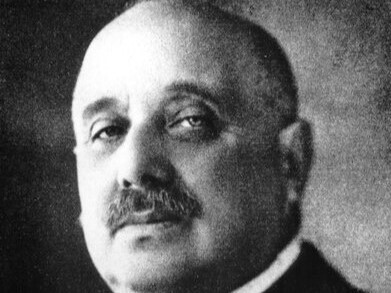
Fates in Budapest. The Founder of the Hungarian Pharmaceutical Industry: Gedeon Richter
-
-
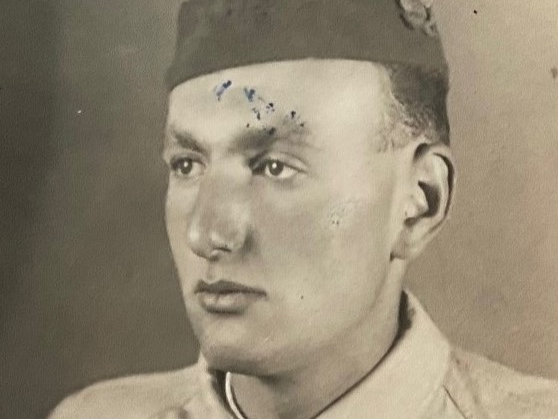
Fates in Budapest. The Rosenthal Saga: Forced Labor, Bergen-Belsen and the "Horror Train"