Großaktion Budapest. How would the Jews of Budapest have been Deported?
It would have been the largest urban operation in the history of the Holocaust if the deportation from the capital had been carried out in August 1944. German and Hungarian perpetrators wanted to destroy the 200,000 Jews of Budapest in just three weeks.
The scale of the deportation of Jews from Budapest was comparable only to the liquidation of the Warsaw Ghetto. Between 22 July and 12 September 1942, the Nazis removed an average of 5,000 people a day from Warsaw. Eventually, about 265,000 people were deported, the vast majority of whom were transported to and murdered in the Treblinka killing center. (With this, the official “deportation record” of the SS was set, which Adolf Eichmann wanted to break in Hungary.) In addition, the ferocious Germans and their Ukrainian, Latvian and Lithuanian auxiliaries began massacres in Warsaw. During the deportation, thousands more were killed in homes, doorways, open streets, or during the entrainment. Those who climbed out the window and those fleeing through the balconies were shot dead. Many elderly people, patients, and children discharged from hospitals did not even reach the loading station, known as the Umschlagplatz. They were executed in groups by the SS at the cemetery. Others committed suicide or simply starved to death. By the end of September, the ghetto population had shrunk by a total of 275,000. In Budapest, however, the Nazis were preparing for an even bigger throw: they assumed (incorrectly) that there were even more, about 350,000 Jews, living in the Hungarian capital. Their deportation promised to be the biggest urban action of the Holocaust. This could have been the culmination of Eichmann's “triumph” in Hungary.
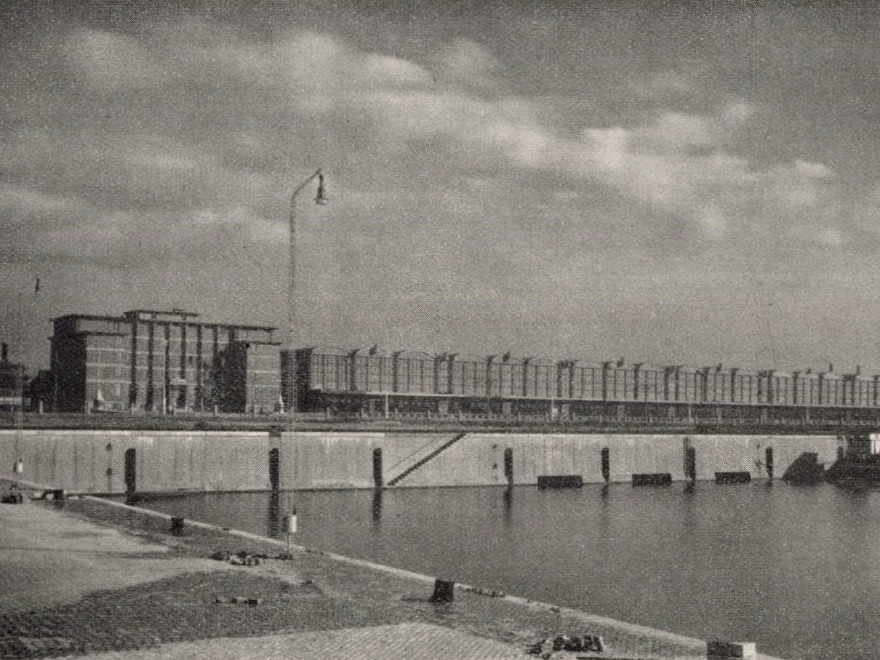
Large-scale roundup and collection camp on the Shipyard Island
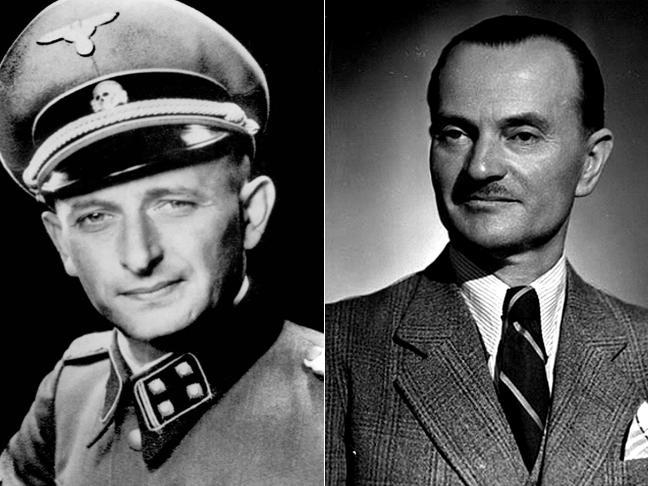
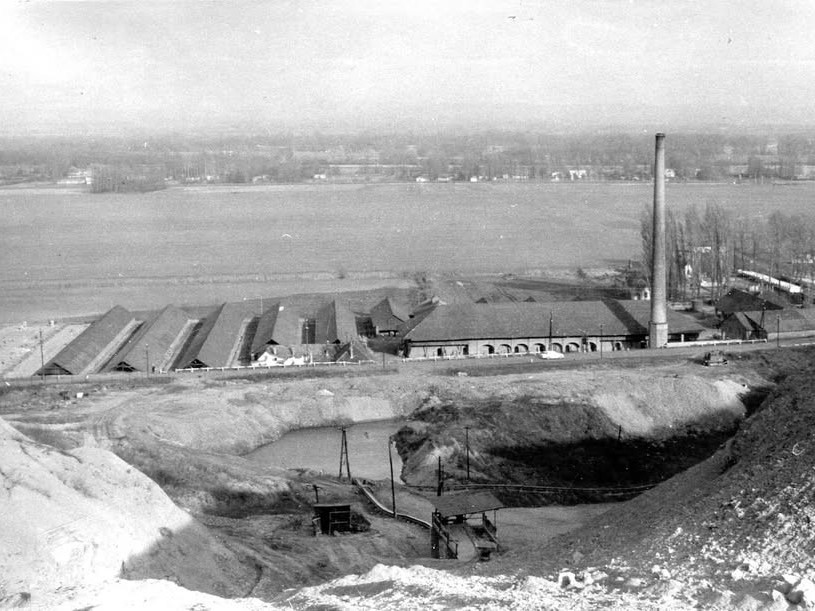
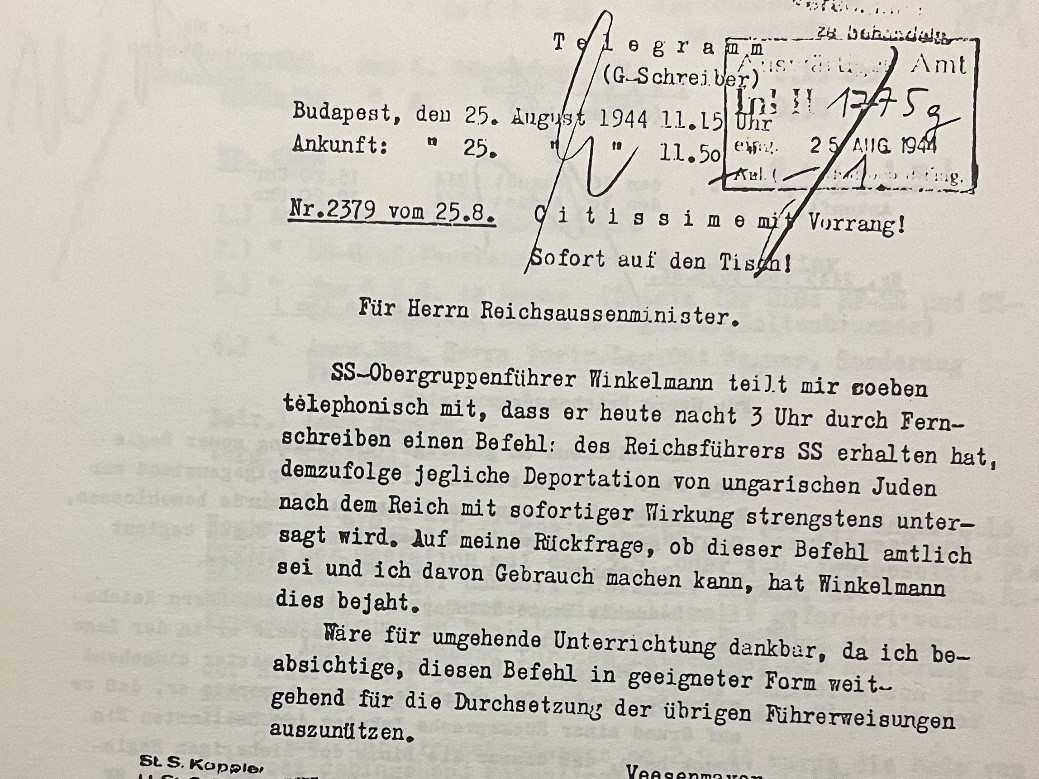
But the question arises: how would all this be executed in practice? In mid-May, Eberhard von Thadden, head of the "Inland II" department of German foreign affairs (and, not incidentally, Jewish adviser to Foreign Minister Ribbentrop) informed Berlin that the authorities planned a major action (“eintӓgige Großaktion”). They wanted to paralyze the whole of Budapest for 24 hours. Buses and trams would have stopped, and Jews would have been gathered on one of the Danube islands, north of the city, with the help of postmen and chimney sweepers, in addition to thousands of gendarmes and police in Budapest. He probably referred to Shipyard Island (Hajógyári sziget) from which everyone was going to be deported by early September. We don’t know exactly who Thadden learned about the details from. He had just as much contact with Eichmann’s commando as he did with other diplomats, SS and police leaders, as well as Endre . In 1961, however, in the Israeli prison, Eichmann vehemently denied that he had been the initiator of the large-scale roundup. "Because it's practically impossible to move 350,000 or 250,000, but even 150,000 people in a single day ... Not even Endre could have done that with his striking gendarmerie." He added, “this kind of planning is sheer madness,” as a competent law enforcement apparatus would not have counted on mailmen and chimney sweepers.
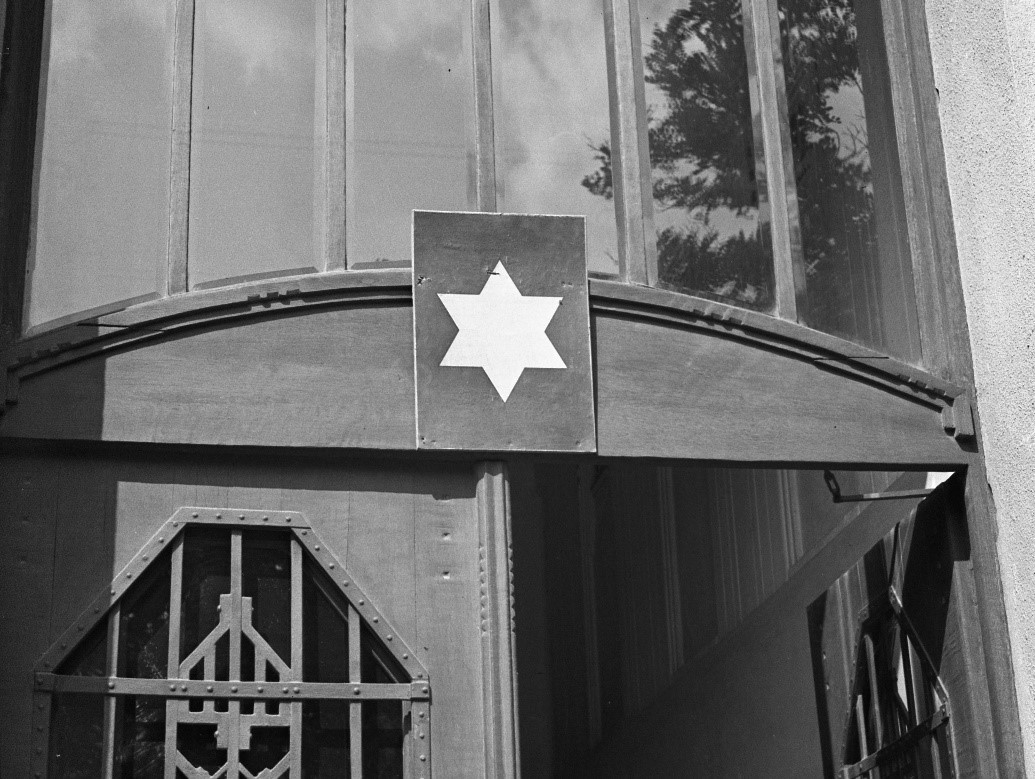
In any case, Thadden and foreign affairs chief Paul K. Schmidt were planning the “Großaktion” feverishly. At the end of May, it was suggested that the deportations from Budapest should be prepared from a propaganda point of view, as the deportation of Jews from the capital would provoke “great attention and strong reactions abroad”. It was suggested that “external causes should be created,” that is, provocation, a well-known instrument of the Nazi war repertoire. Specific proposals were also made: to “find” explosives in the synagogues and Jewish community buildings in the capital, to organize false flag attacks against police officers, and to accuse the Jews of a series of currency frauds undermining the entire Hungarian financial system. The transparent plot was swept off the table by German ambassador Edmund Veesenmayer. He was obviously irritated by the activity of foreign ministry officials in his area, who knew little about the situation.
But Thadden and his crew did not give up even after that. On June 6, the day of the Normandy landings, Thadden held a meeting with his senior colleagues. They agreed to advise the authorities to start deportations in Budapest immediately. They argued that as the world was focusing attention on the invasion of the Allies, there was no need to fear the negative international repercussions of the action. It may seem strange that on the first day of the battle that fundamentally shook the Third Reich, foreign ministry officials were preoccupied with deporting Jews from Budapest. At the same time, it indicates how important the Nazis considered the physical destruction of this last, major community under their rule. Thadden even came up with the childish argument that if German troops “repel the invasion and the action in Budapest takes place after that, we would put a propaganda tool in the hands of the hostile powers to divert attention” about the failure of the landings. This absurd episode illustrates how much the top officials of Jewish matters of the German Foreign Ministry did not understand the logistical context of the deportations and considered the situation solely on the basis of propaganda.
Concepts of deportation
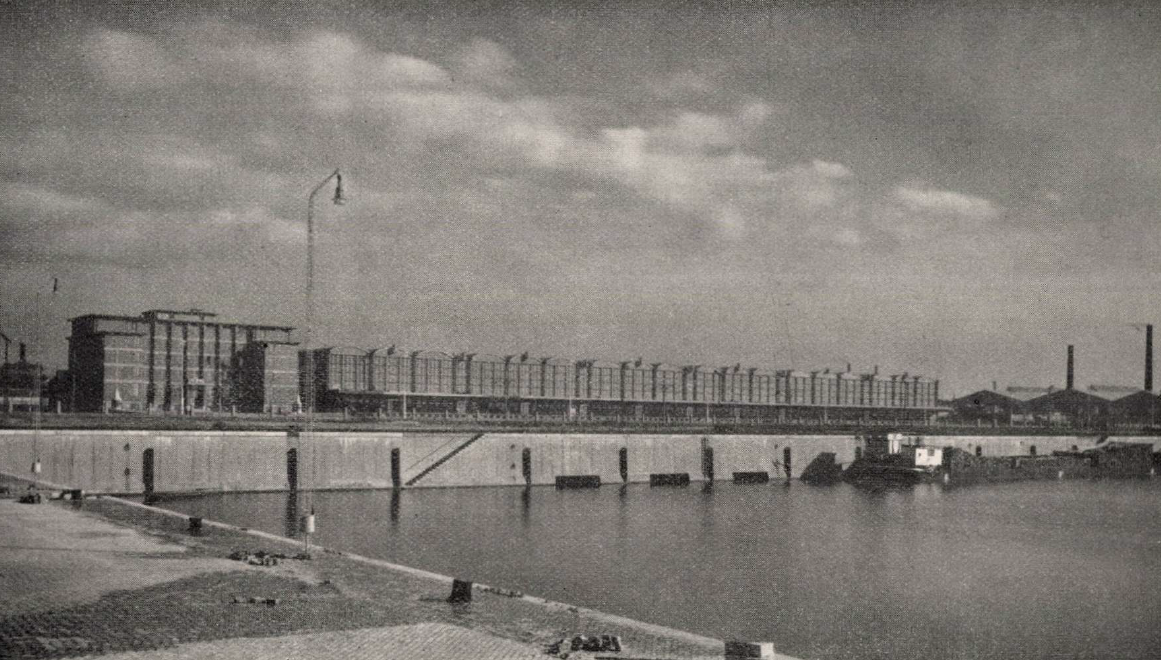
By the beginning of the summer, the German and Hungarian perpetrators seemed to have realized that the one-day action in Budapest was a logistical nonsense. Reality intervened. By the beginning of July, Endre, Eichmann and Gábor Faragho, the supervisor of the gendarmerie (and the police from 1 July), had already developed a more realistic plan. Jenő Péterffy, a gendarmerie colonel who, a few weeks earlier, had supervised deportations from the Nagyvárad (now Oradea, Romania) ghetto, the largest in Hungary, was given a key role in executing the plan. The Jews would be transported from the yellow-star houses to two main collection points: to the Nagyvásártelep (Great Market Square) in the south and the adjoining pig farm, and to the sports fields along Váci út in the north. The Great Market Square, a commercial and logistics center built in the early 1930s, was a reasonable choice from the perpetrators’ perspective. The 280,000-square-meter, well-guarded facility was directly connected to the docks. It was served by a ten-kilometer-long railway track system where more than 200 freight cars could be loaded and unloaded at any one time.
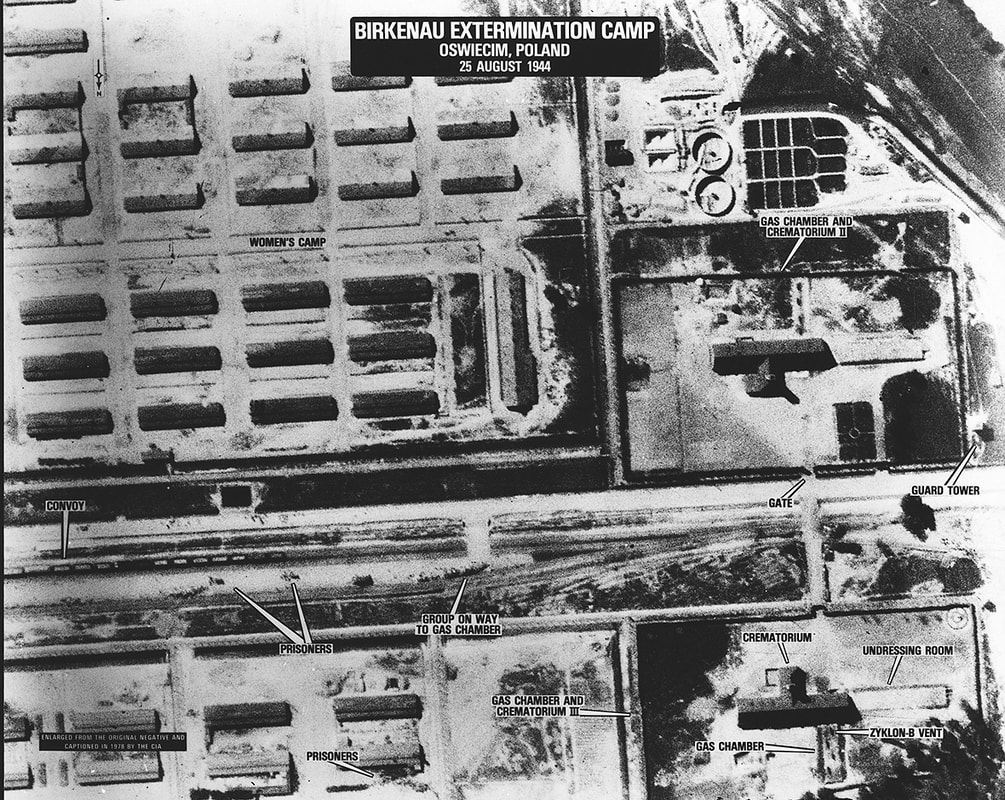
At the beginning of July, the Jews of the suburbs were transported to Monor by rail, and the victims were transported to Békásmegyer by bus, train and Danube boats. The transports to Auschwitz-Birkenau eventually took off from the HÉV (suburban railway) station in Békásmegyer and Monor. Most likely, the same would have happened to deportees in August. Eichmann even had access to the Budapest railway stations, as the railway network was only affected by stronger airstrikes from July, and serious service disruptions began only in October. The capital's railway stations were also used. At the end of April, the first Hungarian transports left from the Eastern (Keleti) Railway Station, and later, at the end of 1944, the Arrow Cross authorities sent labor servicemen from the Józsefváros Railway Station to various Nazi camps.
The logistical challenge of rounding up Jews locked up in 2000 yellow-star houses and transporting them to the collection camps was a major one. We can assume that the three thousand people exempted by Regent Miklós Horthy, those protected by the neutral diplomatic corps, and those who had been baptised before 1941 would have been spared. Yet, the arrest and deportation of more than 150,000 people would still have been necessary. Just as in the Warsaw ghetto in the summer of 1942, the German and Hungarian police forces hunting Jews would have had to move from block to block in Budapest. But the Budapest operation proved to be a greater challenge, because while in Warsaw the Jews were imprisoned in a contiguous, enclosed ghetto, in the Hungarian capital they were to be taken from the yellow-star houses scattered across the city.
Nevertheless, Eichmann and his Hungarian accomplices prepared for a lightning-fast operation. On the first day alone, they planned to move 20,000 Jews from Budapest by six trains. After that, the pace was to be reduced to three trains and 9000 people a day: almost double the average in Warsaw. These numbers exceeded the intensity of the Warsaw operation, and roughly matched the pace at which the Hungarian authorities set the "European record" for deportations in the countryside. The timetable planned by the Ministry of the Interior was more radical than ever before, with the Jewish community of the capital to be eliminated in about three weeks. Twice as fast as the Germans had anticipated when they planned the one-day Großaktion in May, when they intended to deport the Jews in about six weeks.
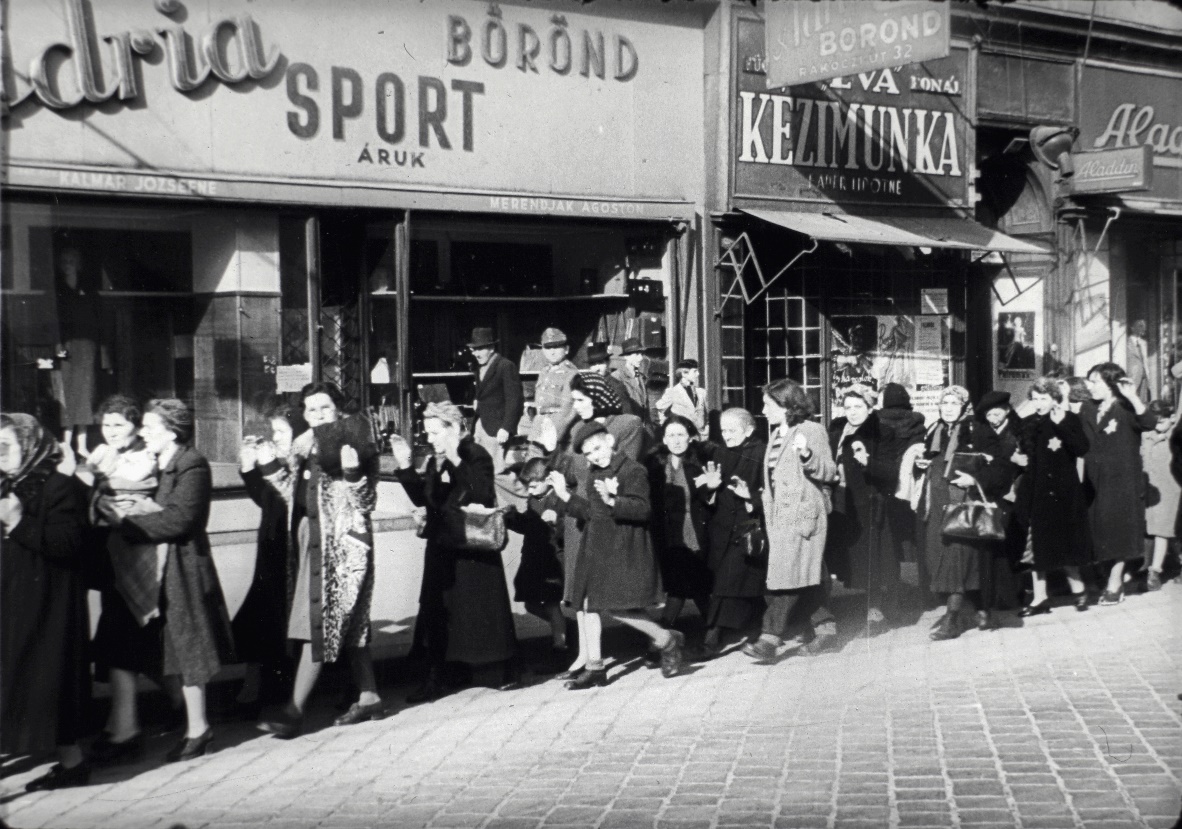
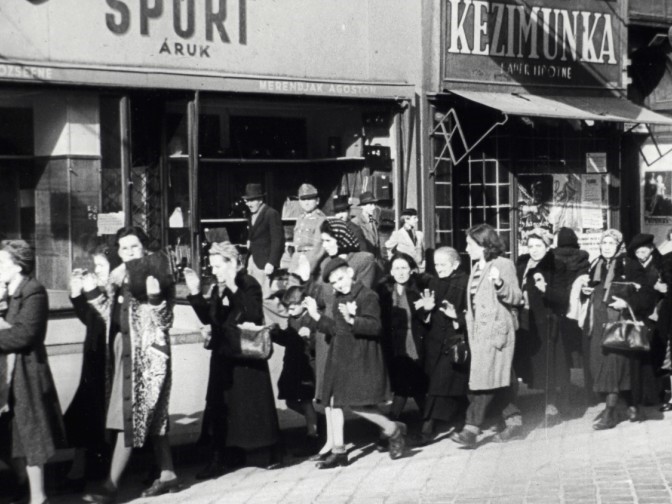
Subsequent events proved that the German and Hungarian Nazis did not have to reckon with any serious popular resistance in the capital. A few months later, during the reign of Ferenc Szálasi, disorganised Arrow Cross militias drove tens of thousands of Jews on foot through the streets of Budapest without any disruption.
-
-
-
-
Budapest, Paris, Auschwitz. Budapest Jews and the Holocaust in France
-
Invasion, Police Raids, Internment. The German Occupation and the Budapest Jews
-
-
Star-Marked City. The First Ghettoization of the Budapest Jews
-
-
"In Poland, Jews are being gassed and burned." The Suspension of the Deportations
-
Chips on the Poker Table. The Fate of the Budapest Jews in August 1944
-
“They are being killed with gas and burned.” What did the Budapest Jews know and what could they do?
-
Großaktion Budapest. How would the Jews of Budapest have been Deported?
-
“The Danube was Red with Jewish Blood.” Arrow Cross Murders in Budapest
-
-
Death March, Brick Factory, Slave Labor. The Budapest Deportations in Late 1944
-
Ghetto and Liberation. Jews of Budapest at the End of the War
-
-
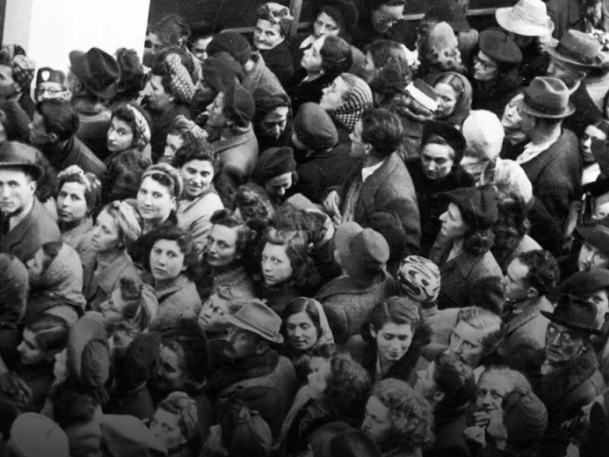
To Obey or Resist? Group and Individual Responses to Persecution in Budapest
-

-
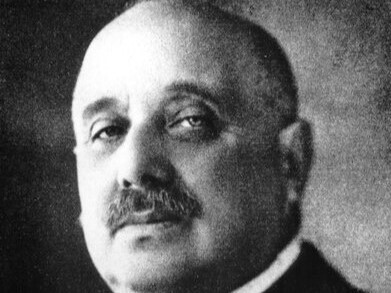
Fates in Budapest. The Founder of the Hungarian Pharmaceutical Industry: Gedeon Richter
-
-
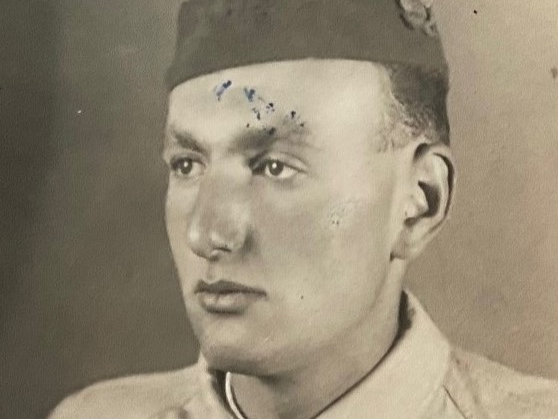
Fates in Budapest. The Rosenthal Saga: Forced Labor, Bergen-Belsen and the "Horror Train"