-
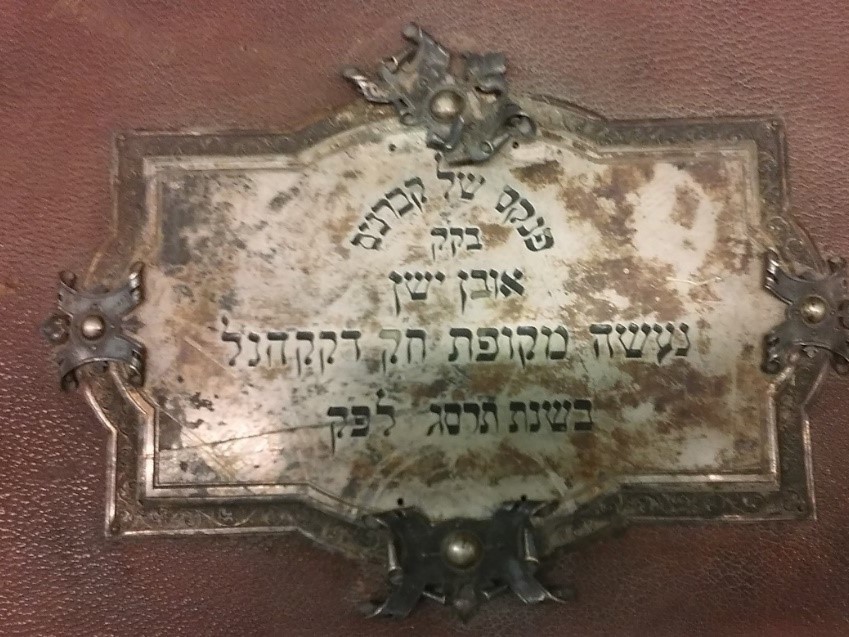
One City, Three Histories. The Roots of Jewish Budapest
Budapest was born in 1873, when three ancient cities – Buda, Pest, Óbuda – were unified. The Jewish communities of the three ran different trajectories. -
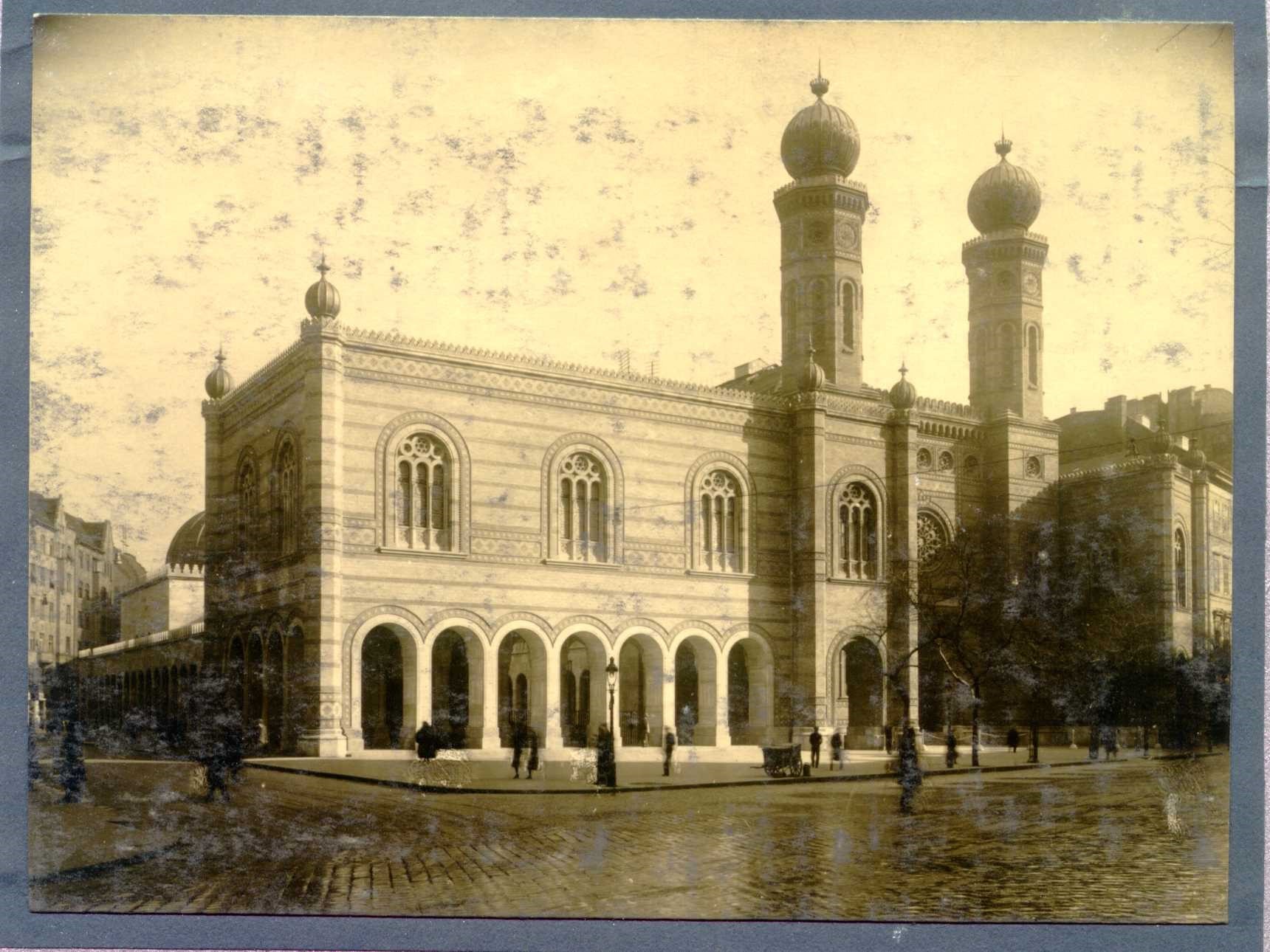
On the Eve of the Catastrophe. Jews in Budapest before 1944
At the time of the German occupation of Hungary on March 19, 1944, only New York, London, and Tel Aviv had a larger Jewish population than Budapest. -
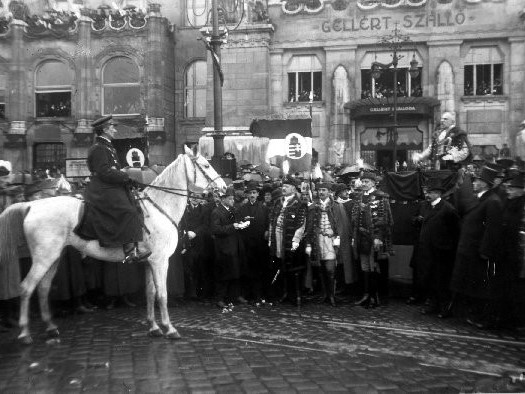
“Judapest”. Antisemites and the City
From the first years of the twentieth century, the Hungarian conservative and far-right considered Budapest alien and unpatriotic. They mocked the city as “Judapest”. -
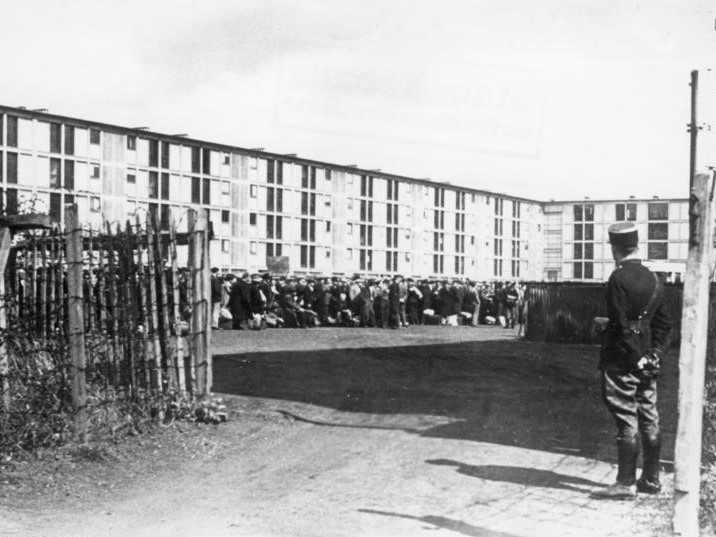
Budapest, Paris, Auschwitz. Budapest Jews and the Holocaust in France
Between 1942 and 1944, the Nazis deported several hundreds of Budapest Jews from France to various concentration camps. Most of them were murdered. -
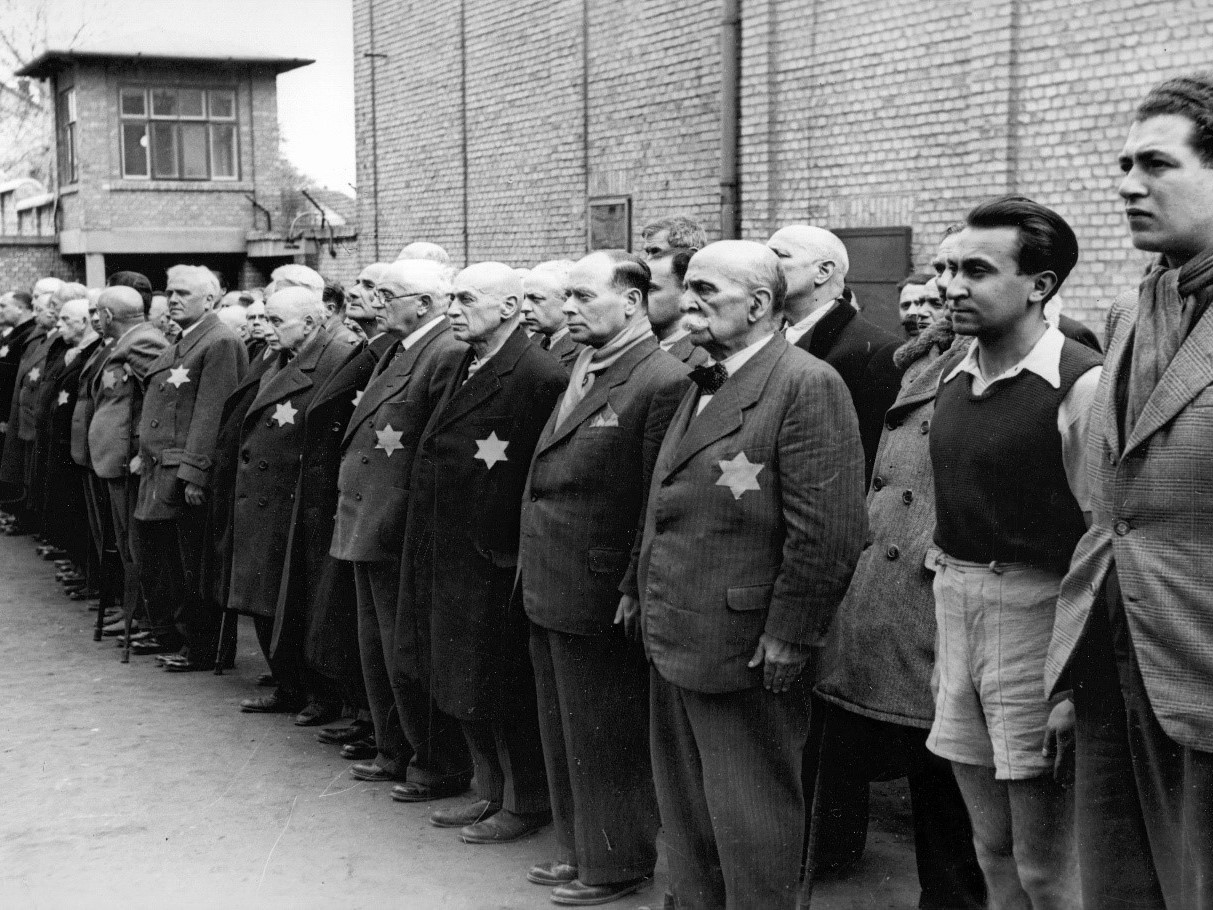
Invasion, Police Raids, Internment. The German Occupation and the Budapest Jews
In the days following the German occupation in March 1944, thousands of Jews in Budapest were arrested by the Hungarian and German police. Most of them were sent to Nazi concentration camps via internment and labor camps, and other detention sites. -
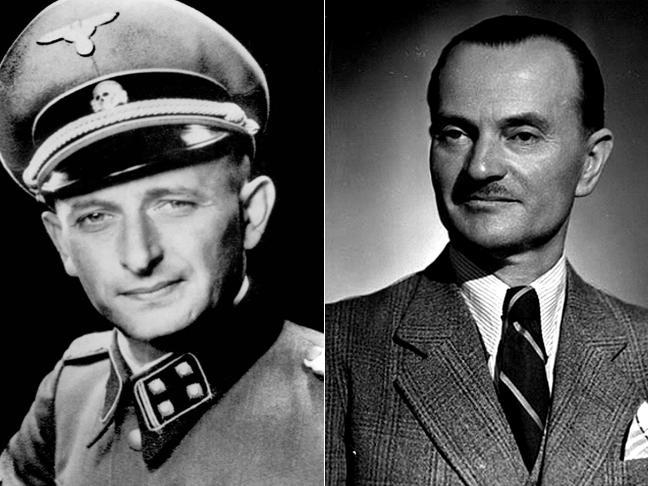
To Behead or not to Behead? The Eichmann-Endre Debate
Two key figures in the catastrophe of the Hungarian Jews were SS Lieutenant Colonel Adolf Eichmann and State Secretary of the Hungarian Interior Ministry László Endre. They who worked in complete harmony to organize the ghettoization and deportation of Jews. They disagreed on only one issue: Endre wanted to strike the Jews in Budapest first, while Eichmann put them at the end of the deportation schedule. -
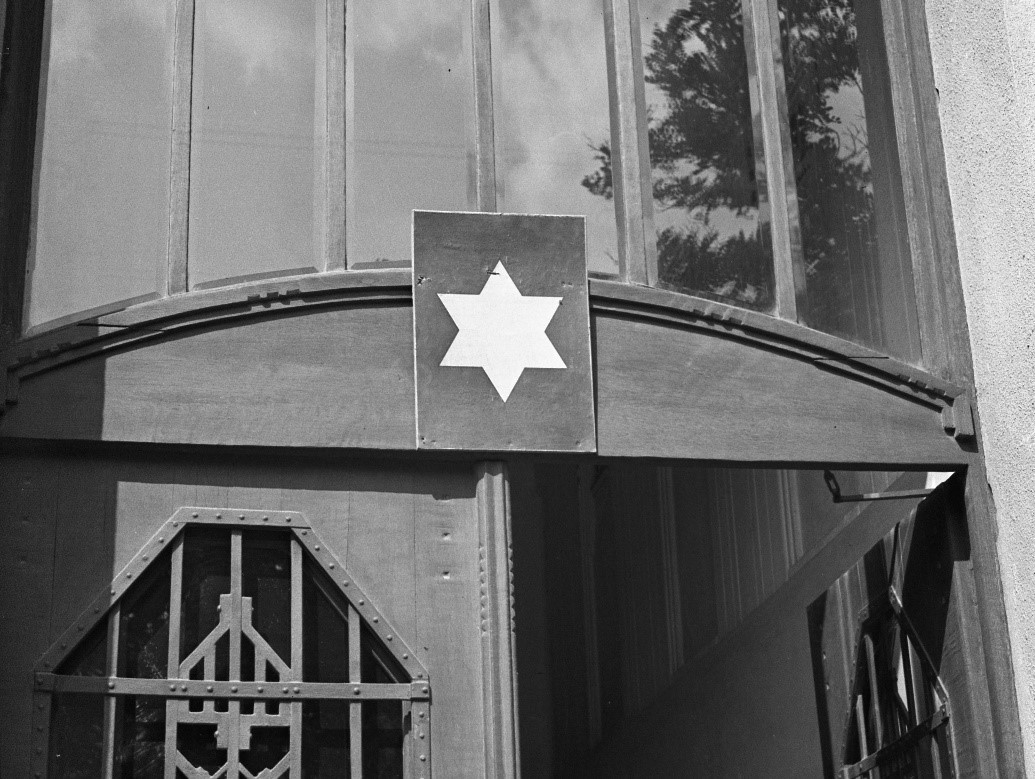
Star-Marked City. The First Ghettoization of the Budapest Jews
In the summer of 1944, the Hungarian authorities crammed some 200,000 Jewish residents of Budapest into 2,000 buildings scattered throughout the city, known as “yellow-star houses." The purpose of this ghettoization, referred to as "relocation," was to concentrate the Jews and place them under strict control prior to deportation. -
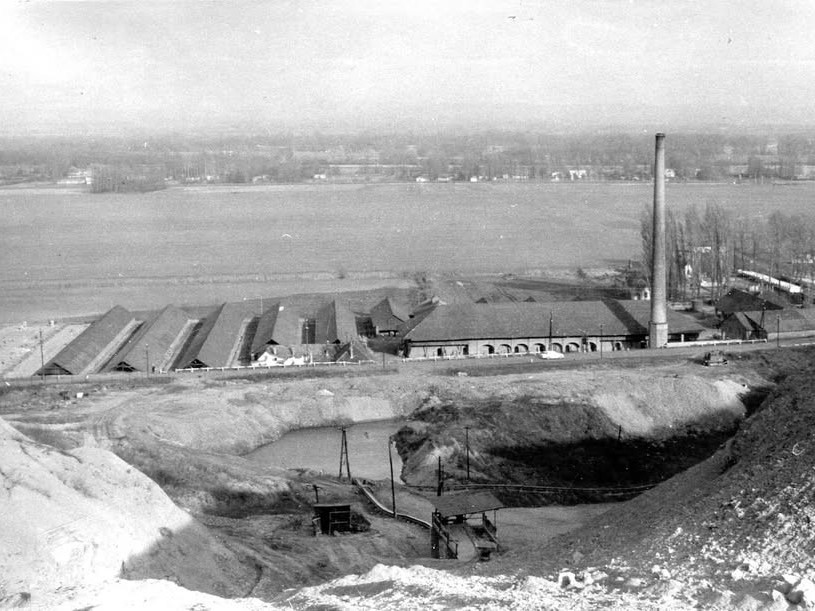
Budakalász, Monor, Birkenau. Holocaust in the Suburbs
Thousands of Jews were deported from villages and towns around Budapest by the Hungarian authorities to Auschwitz in July 1944. Most of them were murdered by the Nazis immediately upon arrival. -
"In Poland, Jews are being gassed and burned." The Suspension of the Deportations
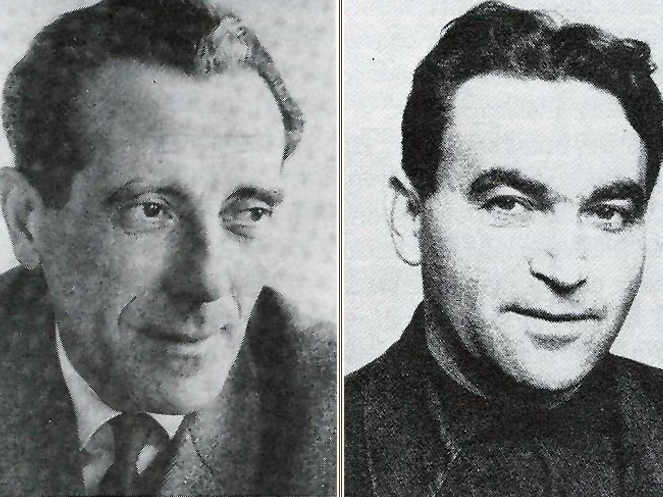
On the brink of the Budapest deportations, in early July 1944, Regent Miklós Horthy halted the transports. He was compelled to do so primarily due to Germany’s deteriorating military situation and mounting pressure from the international diplomatic community and public opinion, which was increasingly aware of the details of the mass murder. -
Chips on the Poker Table. The Fate of the Budapest Jews in August 1944
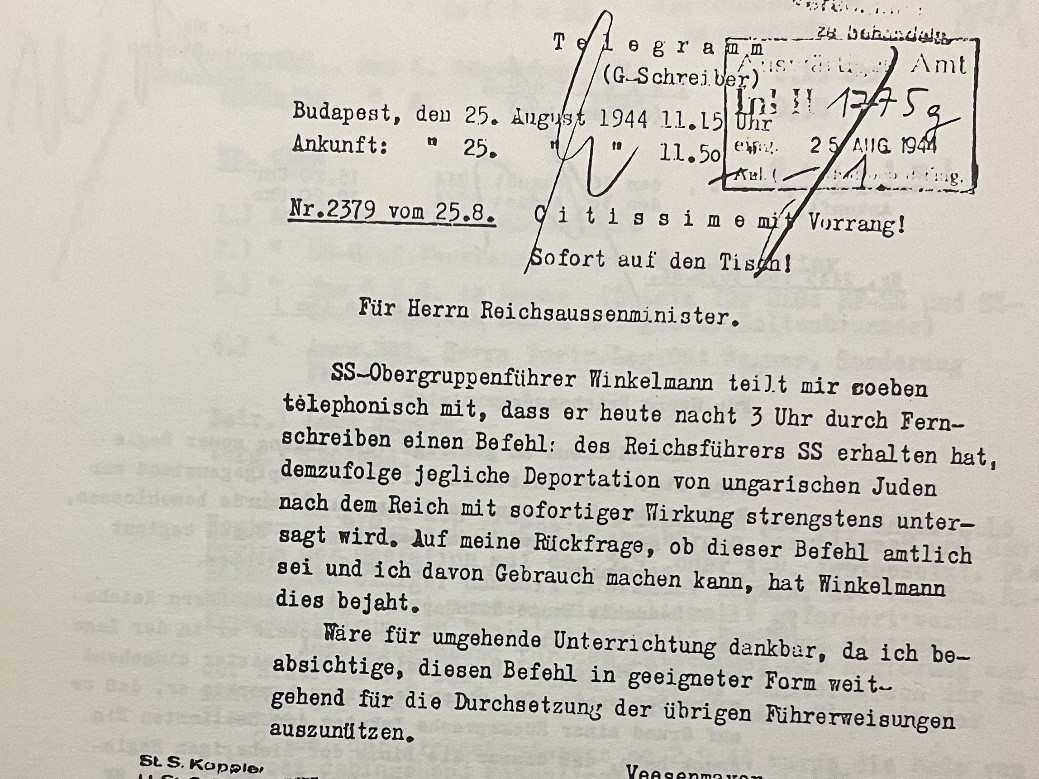
After approving the deportations from the countryside, Regent Miklós Horthy spared the Jews of Budapest from the same fate. However, he eventually yielded to German pressure and agreed to resume the transports. Romania's withdrawal from the Nazi alliance changed the situation again, and the Jews of the capital were saved once more. -
“They are being killed with gas and burned.” What did the Budapest Jews know and what could they do?
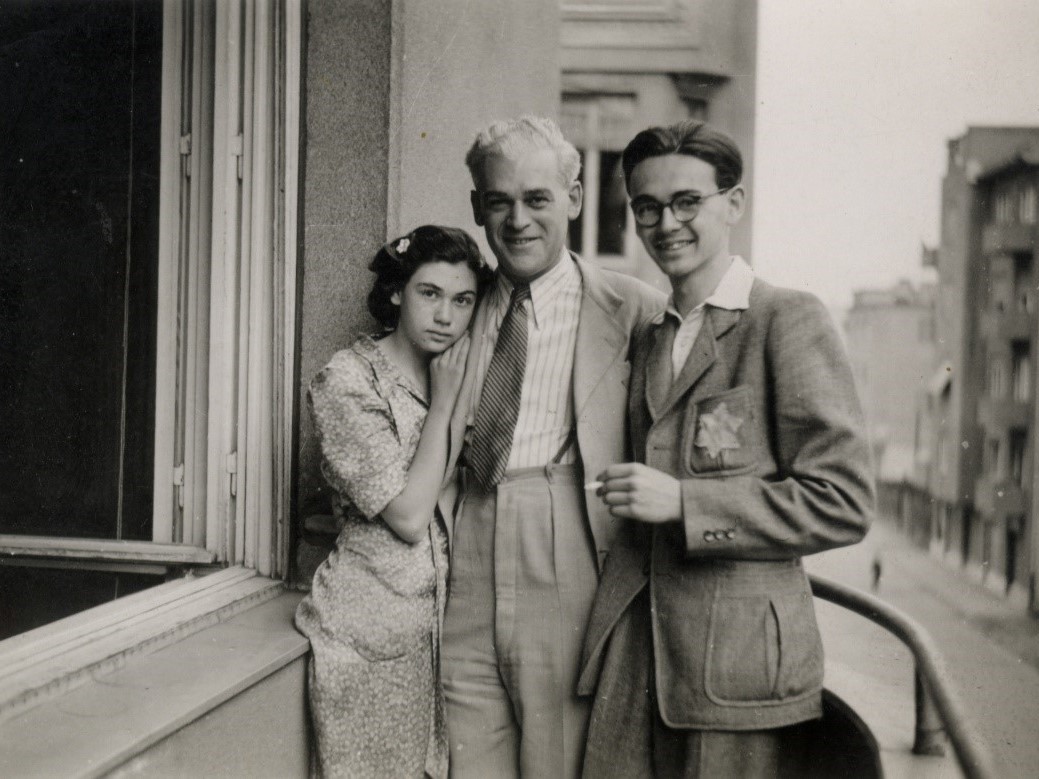
Did the Jews in the capital know what had happened to those in the countryside and that their own deportation was imminent? What and whom could they trust? -
Großaktion Budapest. How would the Jews of Budapest have been Deported?
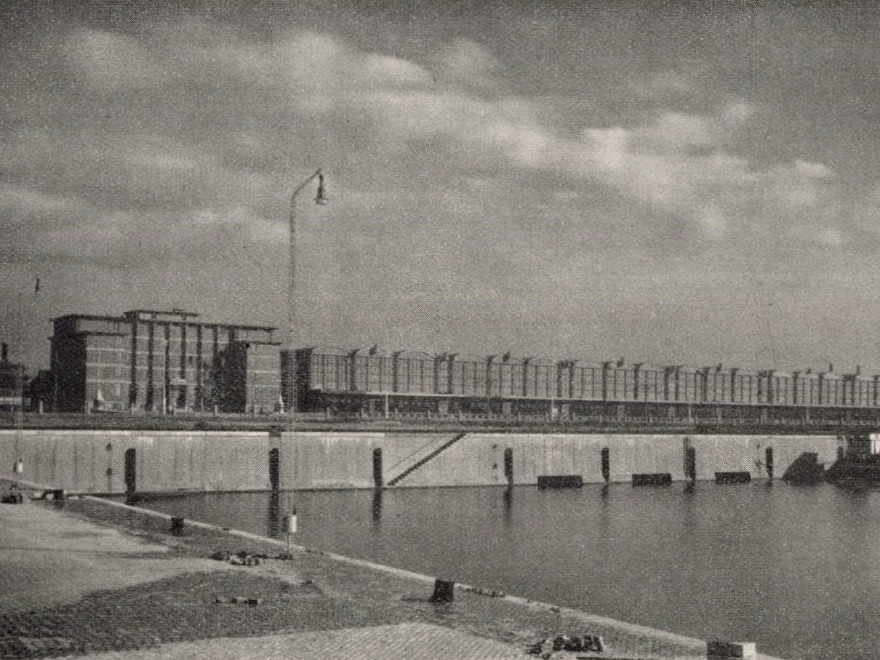
It would have been the largest urban operation in the history of the Holocaust if the deportation from the capital had been carried out in August 1944. German and Hungarian perpetrators wanted to destroy the 200,000 Jews of Budapest in just three weeks. -
“The Danube was Red with Jewish Blood.” Arrow Cross Murders in Budapest
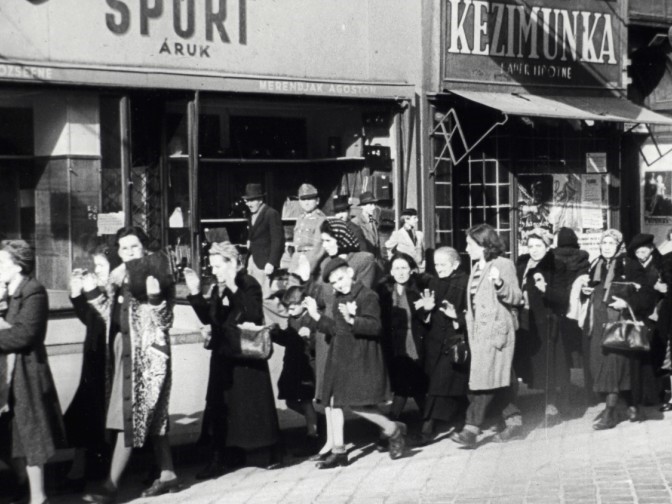
Between October 1944 and February 1945, the Arrow Cross killed thousands of Jews in Budapest on the banks of the Danube, in the streets, in the ghettos, in Arrow Cross houses, in protected buildings, in homes for the elderly and children, in the brick factory in Óbuda, and at other locations. -
Murder and Rescue. Raids on the Children's Homes
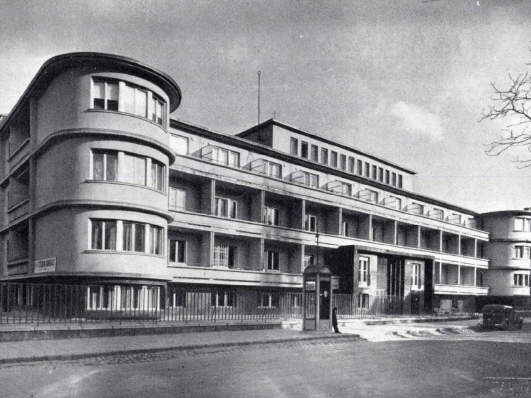
During the winter of 1944–45, nearly 70 children's homes in Budapest provided shelter for thousands of Jewish children and teenagers. These institutions were frequent targets of violent raids by armed members of the Arrow Cross militia. -
Death March, Brick Factory, Slave Labor. The Budapest Deportations in Late 1944
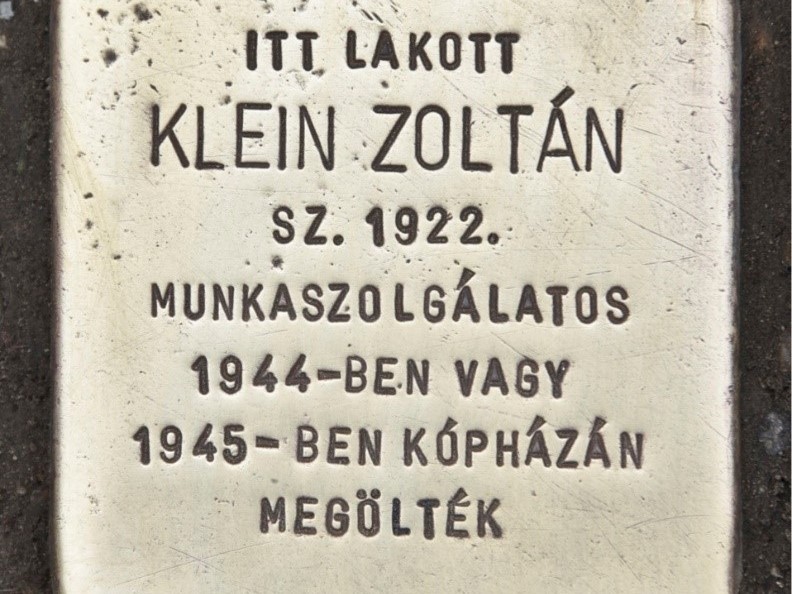
The months following the Arrow Cross takeover on 15 October 1944 were the darkest chapter in the history of Budapest's Jewish community. The country’s new rulers murdered thousands of people in the capital and deported tens of thousands to the western border and German concentration camps. -
Ghetto and Liberation. Jews of Budapest at the End of the War
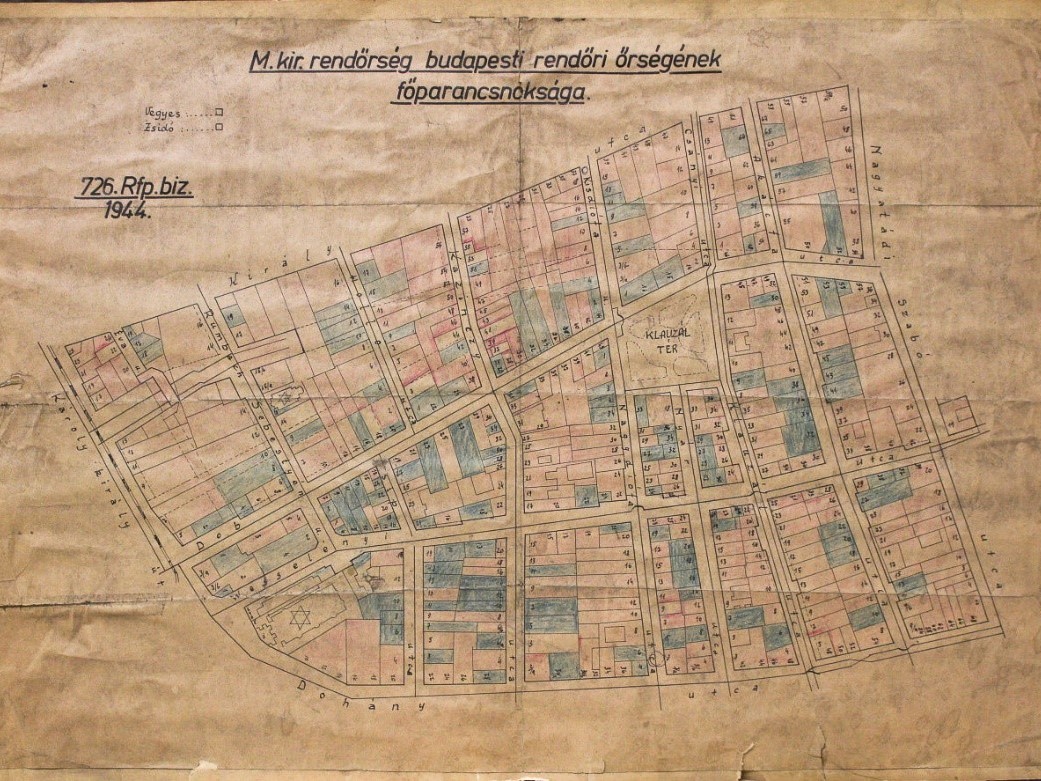
In late November 1944, the Arrow Cross government, under pressure from diplomats from neutral countries, stopped the deportation of Jews from the capital. Those who remained in Budapest were crammed into the last two ghettos in the history of the Holocaust. The endgame had begun. -
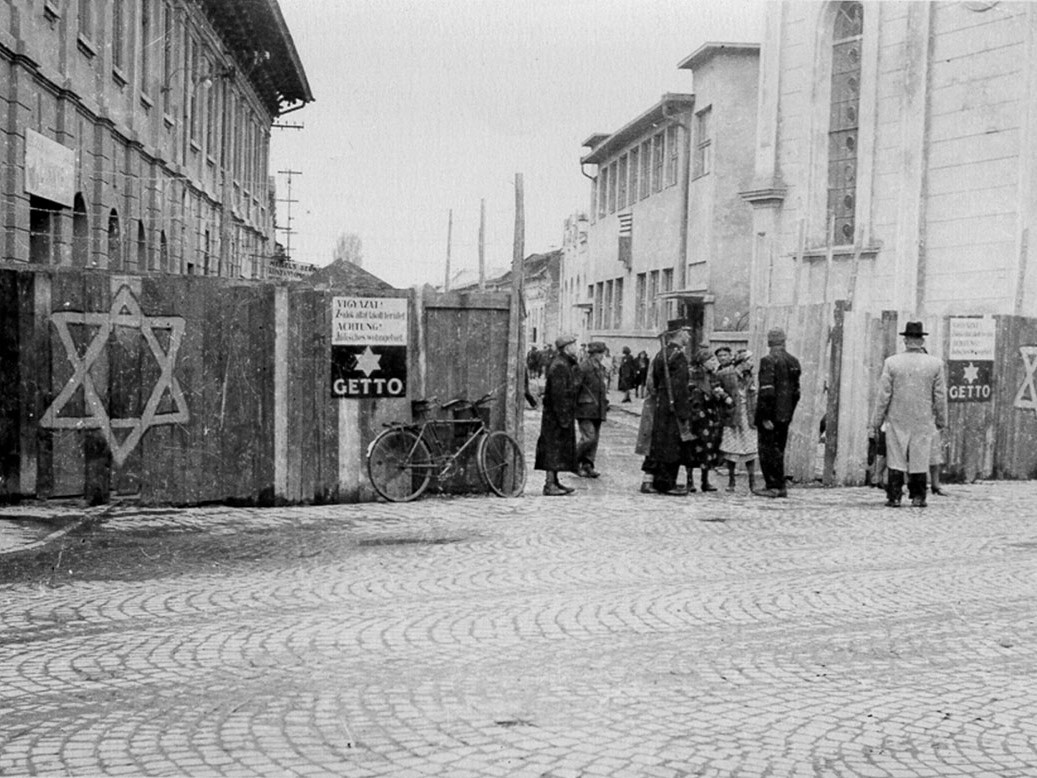
Europe’s Largest Ghettos
During the Holocaust, the Nazis and their local collaborators established hundreds of ghettos in Eastern, Central, and Southern Europe. The Budapest ghettos were among the largest and the last to be established. -
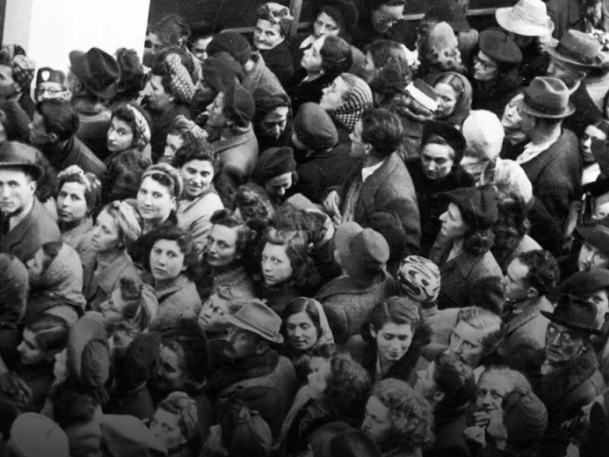
To Obey or Resist? Group and Individual Responses to Persecution in Budapest
In the ten months between the German occupation and liberation, the Jews of Budapest, their communities and organizations, had to decide how to respond to the murderous persecution. -
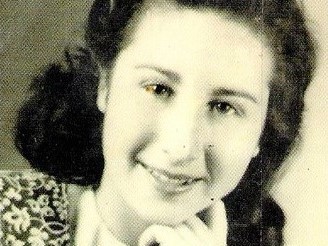
Fates in Budapest. The Teenage Diarist: Lilla Ecséri
During the Holocaust, many Jews in Budapest kept diaries—some even continued writing throughout the months of ghettoization and hiding. Among them was a 16-year-old girl named Lilla Ecséri. -
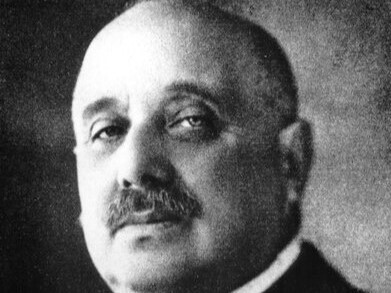
Fates in Budapest. The Founder of the Hungarian Pharmaceutical Industry: Gedeon Richter
Gedeon Richter, who established Hungarian pharmaceutical development and manufacturing and raised it to world-class standards, was shot into the Danube by Arrow Cross troops on 30 December 1944. -
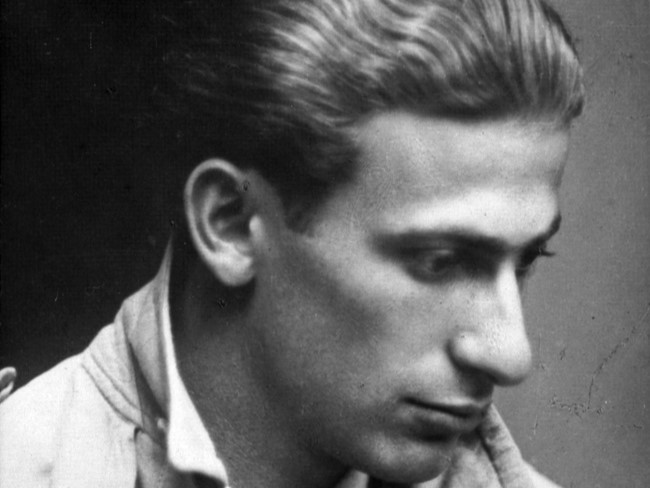
Fates in Budapest. The Poet: Miklós Radnóti
One of Hungary’s greatest poets was executed by Hungarian soldiers on the western border on 9 November 1944. -
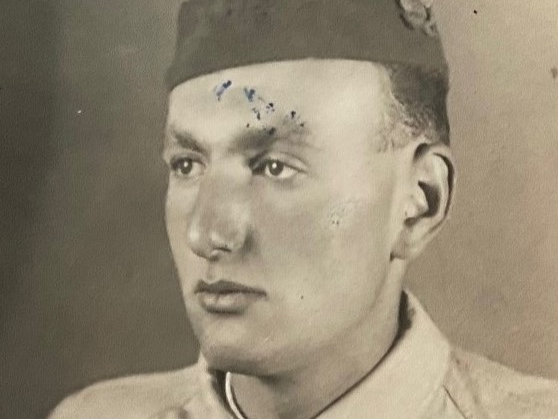
Fates in Budapest. The Rosenthal Saga: Forced Labor, Bergen-Belsen and the "Horror Train"
The journey of a Jewish family through Carpatho-Ruthenia and Budapest to Bergen-Belsen and the death train at Farsleben.