“The Danube was Red with Jewish Blood.” Arrow Cross Murders in Budapest
Between October 1944 and February 1945, the Arrow Cross killed thousands of Jews in Budapest on the banks of the Danube, in the streets, in the ghettos, in Arrow Cross houses, in protected buildings, in homes for the elderly and children, in the brick factory in Óbuda, and at other locations.
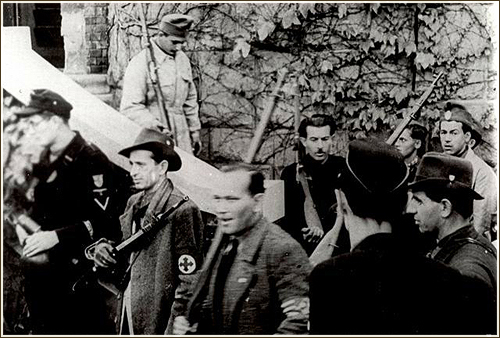
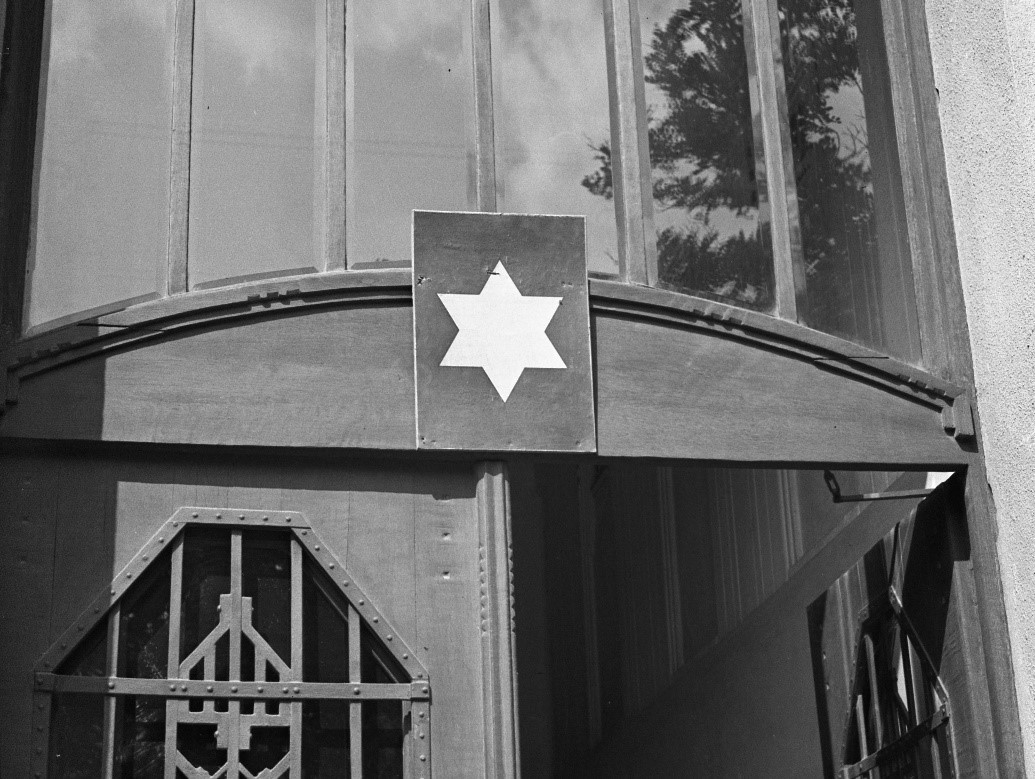
“October 15, 1944, a bright and sunny Sunday. Someone rushed in, panting: Hungary had laid down its arms. I cannot describe what I felt. We ran out into the corridor, and the whole house was buzzing. A few people huddled together and ran to the gate to take down the star. But the happiness lasted only half an hour. An indescribable sense of uncertainty hung in the air. The radio played marches. It was unbearable. In the evening, we learned that Szálasi had become the head of government. It was over.” Hilda Löbl's lines from 1946 faithfully reflect the wide range of emotions—from euphoria to despair—that most Budapest Jews experienced on 15 October 1944, the day of the Arrow Cross takeover. “That day in October was worse than March 19,” wrote author Miksa Fenyő in his diary.
Thawing and takeover
The turn of events must have been particularly disheartening, as in the preceding weeks, the storm clouds had seemed to dissipate over the heads of the Budapest Jews. After being confined to so-called yellow star houses by the Hungarian authorities in June 1944, their deportation seemed imminent twice: once in early July and again at the end of August. But something always happened at the last minute. The first time was when head of state Miklós Horthy halted the deportations after months of watching his own authorities, with German assistance, deport the entire Jewish population of the countryside—some 440,000 people—to Auschwitz and other camps. Seven weeks later, at the end of August, the political and military situation changed radically when Romania broke with Berlin and sided with the Allies. From that point on, the Germans no longer pressed for the deportation of the remaining Hungarian Jews, so it was off the agenda. Horthy dismissed the collaborationist government led by Döme Sztójay, who had orchestrated the deportations, and set up a new, more moderate cabinet.
Since the beginning of September, the situation had eased noticeably. Some of the internment camps on the outskirts of the city were disbanded, the prison gates were opened, and many Budapest Jews were able to return to their families. As a special gesture from the authorities, curfews were lifted during the major Jewish festivals in the autumn, allowing worshippers to go to their temples. Even the relentless propaganda of success could not conceal the fact that the Allied troops were advancing on all fronts. The defeat of the Germans, and with it, the rescue of the remaining Jews, was imminent.
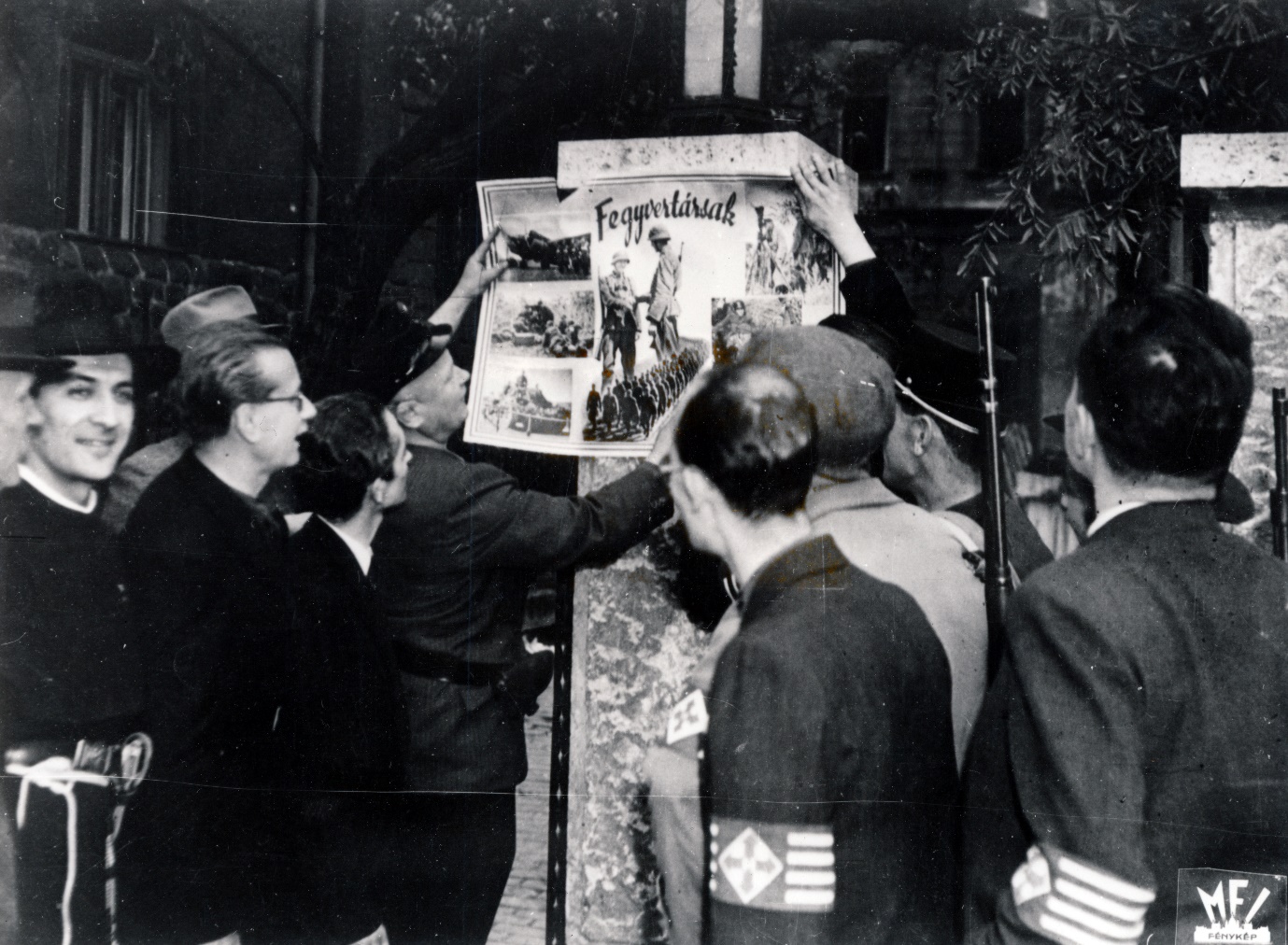
Meanwhile, Horthy and his circle reached out to the Allies and began preparing to abandon the Nazi alliance. However, Berlin was aware of his every move. On 15 October, Horthy announced his intention to negotiate an armistice with the Allies, but the Germans forcibly removed him from power and replaced him with Ferenc Szálasi, leader of the far-right Arrow Cross Party. Chaos erupted in the streets of Budapest.
The first wave of violence
Hastily armed Arrow Cross militias, often aided by German forces, immediately launched attacks on Jews. SS soldiers and Hungarian gunmen stormed 64 Csengery Street, for example. According to the testimony of a man who survived the assault by pretending to be dead, “children, women, men—21 people in total—were shot dead in the apartments in a completely arbitrary manner.”
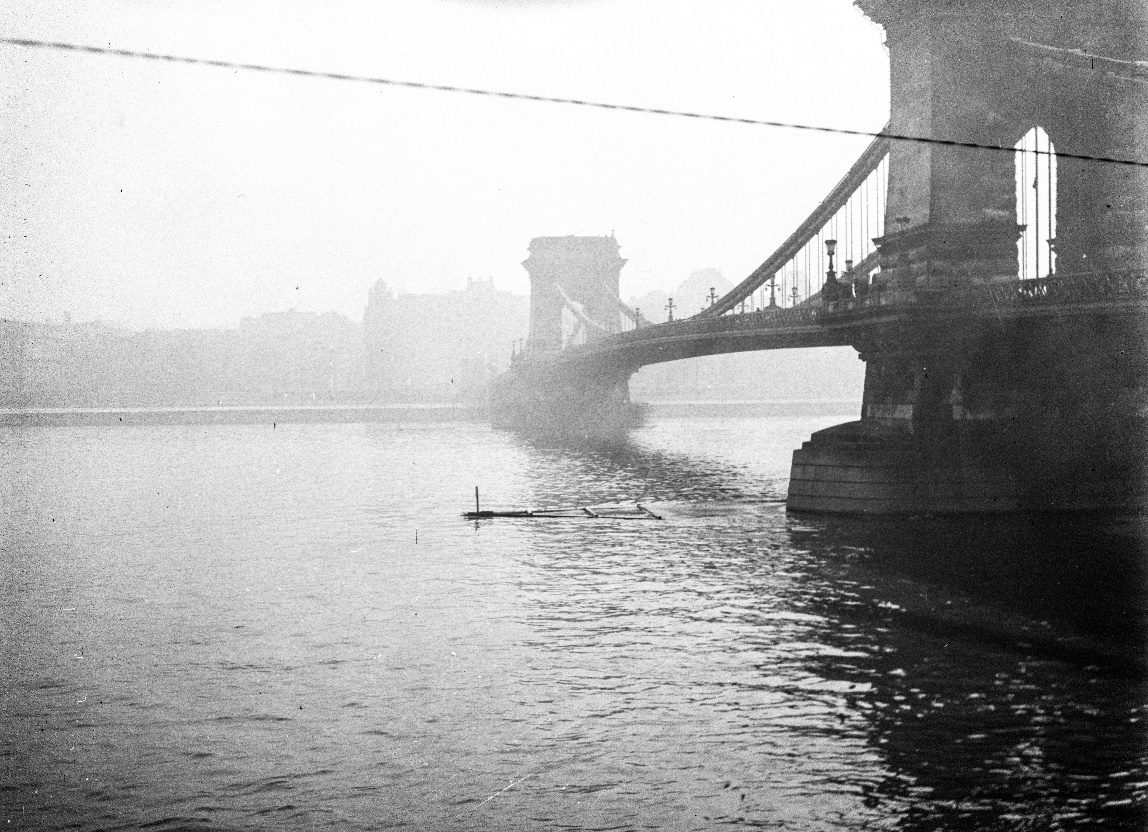
Armed Arrow Cross units drove labor servicemen to the Chain Bridge and Margaret Bridge, where they shot them into the Danube. In Népszínház Street, Teleki Square and the neighboring streets, labor servicemen obtained weapons and opened fire on the Arrow Cross men. The resistance was suppressed with the help of German troops and, according to some sources, even tanks were deployed. As a retaliation, dozens of Jews were executed and hundreds were taken first to the City Theater on Tisza Kálmán Square and then to the horse racing track on Kerepesi Road. (Most of them were eventually taken back to the yellow star houses.)
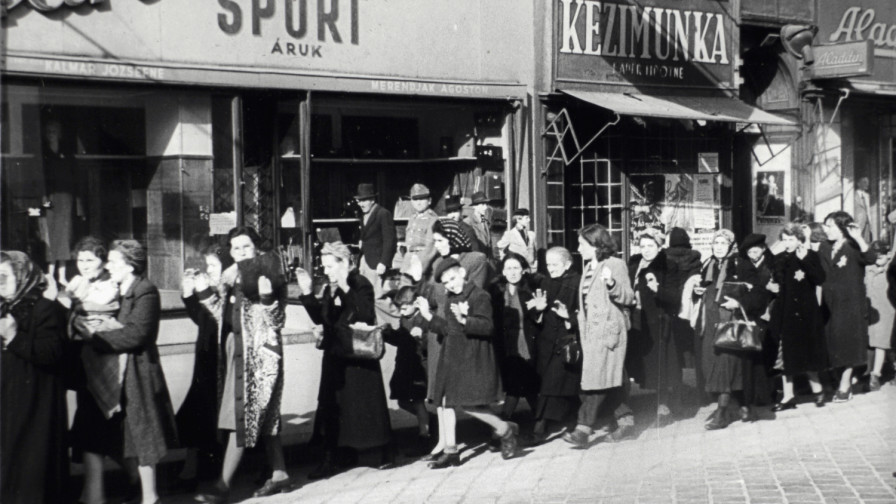
The Arrow Cross takeover and the outburst of violence led to an increase in suicides. On October 22, Swedish diplomat Raoul Wallenberg reported that 100–200 people had been murdered in the first days. On 19 October, Hungarian writer Miksa Fenyő recorded in his diary that the number of victims had already reached the hundreds. The day before, German envoy Edmund Veesenmayer had cabled Berlin, stating that “individual atrocities and murders against the Jews of Budapest are also on the agenda, which the new government intends to put an end to.” His assessment was accurate; in an effort to consolidate power, the new regime reined in the armed groups after a few days. “No one should be an arbitrary or autocratic judge of the Jews, because it is up to the state to resolve this issue,” declared Minister of the Interior Gábor Vajna. “And this issue – rest assured – will be resolved.”
Szálasi’s policies
Szálasi’s and the Arrow Cross Party's “Jewish policy” was determined by three factors. As a staunch antisemite, he did not want to see Jews in Hungary. However, he was also guided by two other considerations: on the one hand, the ever-worsening military situation was causing a growing labor shortage, and on the other hand, he wanted international recognition for his rule. Thus, after a while, the Germans were surprised to find that Szálasi was not nearly as willing to cooperate with the Jews as the Sztójay cabinet had been in the spring and summer of 1944. From the first half of November, in accordance with the agreement with the Nazis, the Arrow Cross regime handed over tens of thousands of Budapest Jews and labor servicemen from other parts of the country to the Germans in the so-called death marches . Already at this point, the Arrow Cross government was haggling over the number and fate of the “loan Jews” more than the Sztójay government had ever done. Neutral countries and the Vatican condemned the death marches and issued a strongly worded protest note calling on Szálasi to stop the deportations. For the “national leader,” who craved international recognition for his rule, the opinion of the neutral countries carried a lot of weight. This made it possible for a system of protection to develop and for the representatives of the neutral countries and the Vatican in Hungary to engage in widespread rescue operations.
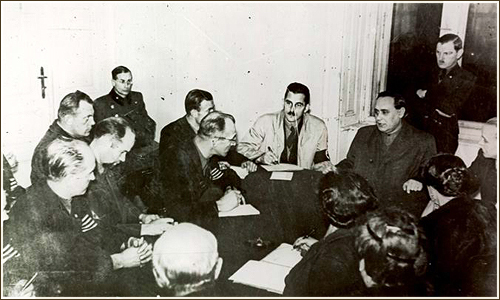
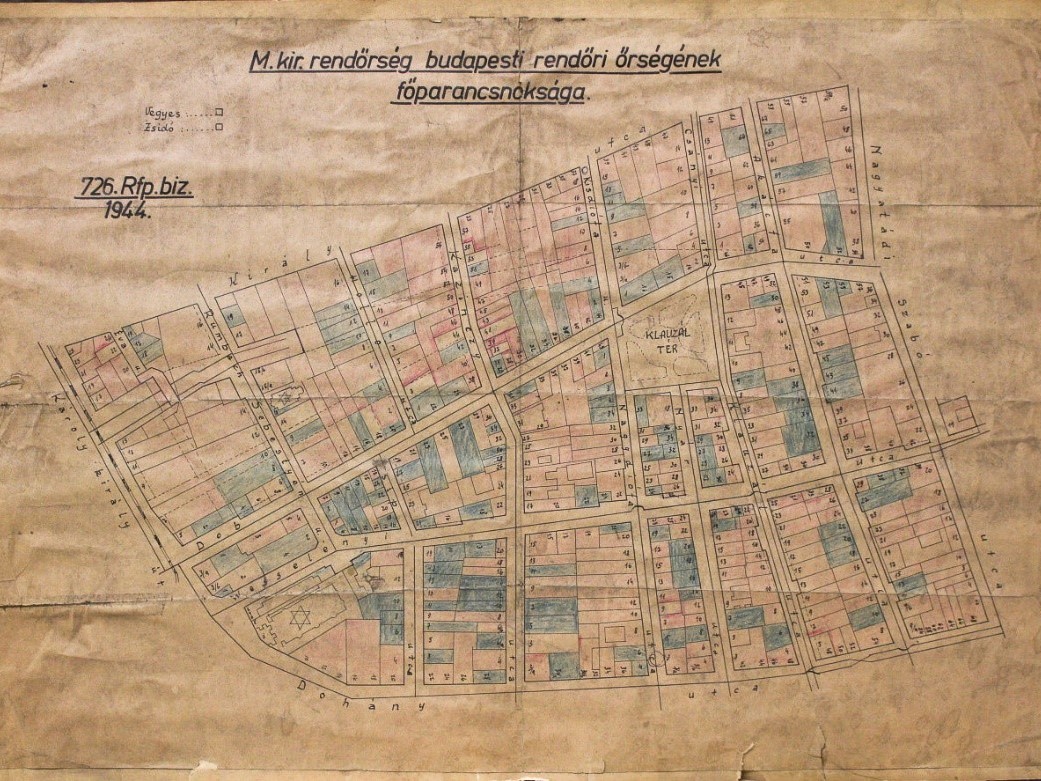
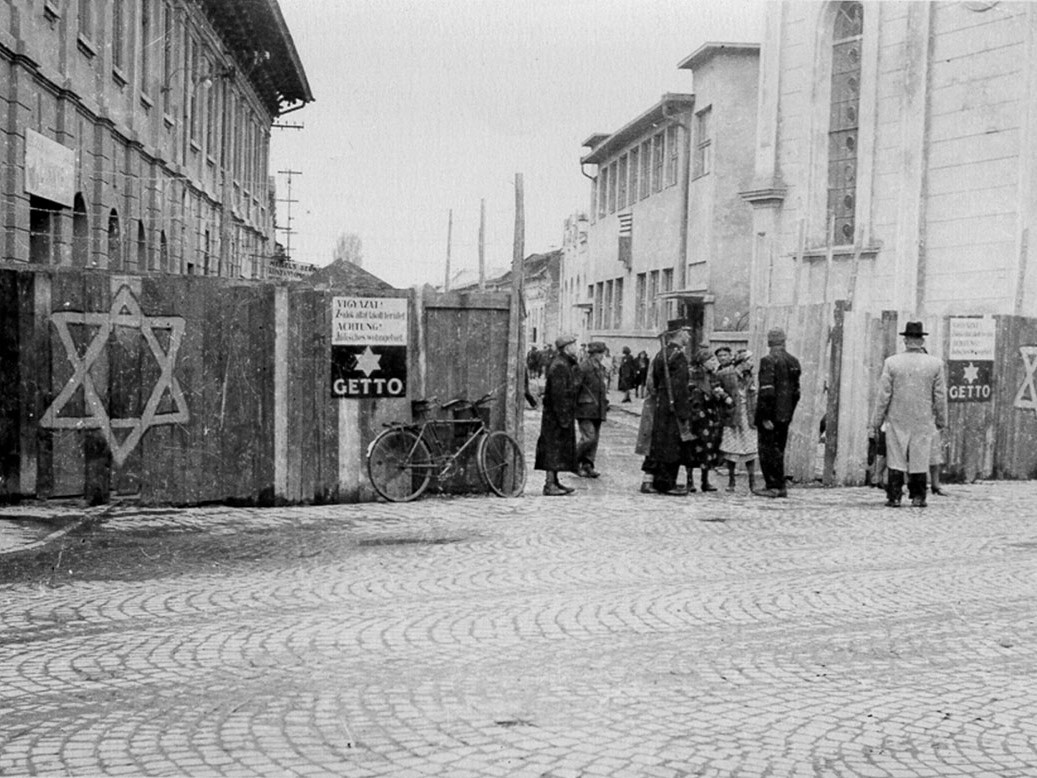
The hardline Nazis implementing the “Final Solution” knew that Szálasi's apparently “lenient” plan was primarily aimed at foreign countries, but its categories and differentiated treatment still disappointed them. They had set themselves the goal of physically exterminating every single Jew, regardless of age or gender. Despite protests from the German Nazis, the Arrow Cross authorities gradually stopped the death marches by the end of November, although smaller train transports to Nazi concentration camps were still launched in December. The Arrow Cross government began organizing the crowding of Budapest's Jews into ghettos – that is, keeping them within the country. People under diplomatic protection were moved to scattered blocks of houses in the southern part of Újlipótváros, between Margit Bridge and Szent István Park. Those without false or genuine protective documents were crammed into a ghetto surrounded by palisades in the area bounded by Dohány, Nagyatádi Szabó (now Kertész) and Király Streets, and Károly Boulevard.
Terror at its peak
Between late October and the end of November, there was a slight decline in uncontrolled outbreaks of violence. This period saw the Szálasi government's deportation campaign, during which thousands of Jews were rounded up and forced to march on foot to the western border. Although violent incidents remained frequent, mass killings within the city limits decreased, as armed groups were primarily tasked with overseeing the deportations. This, to some extent, redirected the Arrow Cross militias' anti-Jewish aggression. The forced marches had already drawn international condemnation, and the Arrow Cross leadership likely sought to avoid further inflaming tensions by carrying out massacres in front of diplomats stationed in the capital.
However, in the six to eight weeks from late November until the fall of the Arrow Cross regime in early 1945, terror reached its peak. Several factors contributed to this escalation. The Szálasi government gradually came to realize that neutral states would not recognize its authority, thereby weakening the protection afforded by diplomatic immunity. In the final weeks, even diplomats’ lives were at risk. Just before Christmas, as Soviet and Romanian forces encircled the city, the government fled, leaving the Jews’ fate in the hands of local Arrow Cross leaders and militia commanders. Budapest became the site of one of the most devastating urban battles of the Second World War. In the fighting, 35,000 civilians, approximately 80,000 Soviet soldiers, and around 50,000 German and Hungarian troops were killed. Public order collapsed, and human life became increasingly expendable. As the city descended into bloody chaos, armed Arrow Cross groups grew even more radical. While they carefully avoided direct confrontation with the advancing Red Army, they intensified their murderous campaign against Jews with even greater brutality.
Robbery, torture, rape
The special Arrow Cross law enforcement unit, the “National Accountability Organization”, primarily targeted political prisoners and resistance fighters. Meanwhile, the Political Police Department of the Budapest Police Headquarters hunted down Jews in hiding and ordinary military personnel who deserted the collapsing Hungarian army. However, most people were not murdered by these agencies, but by members of the Arrow Cross Party and the armed “National Service”, both of which operated on a territorial basis. These units were largely composed of lower-level employees, workers, and members of the petty bourgeoisie who had joined the Arrow Cross in 1944. The majority were young or middle-aged men, though some women also took part in the atrocities. Among them was 23-year-old Lujza Háy, who burned naked Jewish women with cigarettes and beat them with leather belts at the Arrow Cross headquarters in Városház Street. Another known perpetrator was 45-year-old worker Etel Pap, who tortured prisoners in Nagyatádi Szabó Street.
The vast majority of the perpetrators joined the militias driven by the allure of robbery and the unchecked power over others. Until then, many had lived on the margins of society or within the lower strata of the semi-feudal, rigid social system, with little hope of upward social mobility. With Szálasi's rise to power, the barriers that had once confined them suddenly dissolved: they were armed, empowered, and became masters of life and death. Mass rape is a tragic example of the brutal exercise of power and the outburst of this repressed frustration. The routine sexual violence perpetrated by Arrow Cross members was as much a part of their activities in Zugló (district 14) as it was among the armed groups in district 12 and other areas. Armed men patrolling the international ghetto in Újlipótváros often raped their victims in abandoned carriages at Western Railway Station. In some cases, they even assaulted young girls before shooting them into the Danube.
The Arrow Cross terror in the capital bore only a faint resemblance to the industrial-scale extermination carried out in German death camps or the highly efficient bureaucratic machinery of the Horthy regime carrying out the mass deportations in the spring and summer of 1944. The Arrow Cross regime in Budapest was characterized by more or less random raids, chaotic executions, and victims who were sometimes arrested and then inexplicably released. Yet, extreme cruelty was a constant. The bodies of many victims were brought to the Forensic Medical Institute, where one of its staff members recalled: “The fewest were simply shot; most were horribly tortured. Most suffered for a long time, and from the gruesome contortions of their faces, you could tell that their suffering was excruciating. A bullet to the brain or heart was rare; the cruel traces of suffering were far more common. Their specialties were eye-shooting, skinning, disemboweling, and limb-breaking.”
Although the Arrow Cross government attempted to curb the chaotic violence in the days following the coup, punishing the perpetrators was never considered. In fact, the new regime effectively defended its ruthless gunmen: the police investigations that had been launched were swiftly halted. Szálasi flatly denied that his party's agents had committed any atrocities, instead blaming the violence on "infiltrated extremist elements." In December 1944, in a bizarre twist of logic, Minister of Justice László Budinszky first threatened those spreading "slander" about the Arrow Cross murders, then added, "they should thank God that there have been only this many victims in this revolution." It is telling that one of the Arrow Cross leaders in district 12, András Kun, a former monk, was not bothered while killing Jews. However, as soon as he began to act against army and police officers, he was arrested.
Danube bank, Arrow Cross houses, care homes
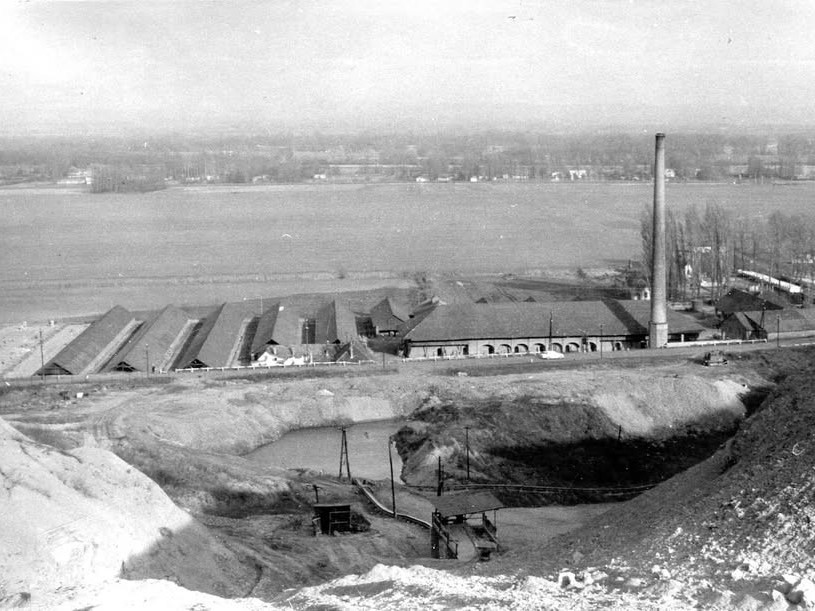
Between October 1944 and February 1945, the number of identified mass murders committed by the Arrow Cross in Budapest exceeded one hundred. On the banks of the Danube, in the open streets, in ghettos, in the dreaded Arrow Cross houses, in protected buildings, in homes for the elderly and children, in the brick factory in Óbuda and other locations, the number of victims of atrocities reached thousands.
“Back then, the Danube wasn’t blue, it wasn’t brown: it was red, red with Jewish blood” recalled a survivor four decades after the days of Arrow Cross terror. The executions on the riverbank claimed the lives of many Jewish victims in the capital in the winter of 1944-45. The stones of the embankment became iconic sites of the genocide committed by the Szálasi regime. Jews were murdered on the riverbank in the days following the takeover. After a few days, when the Arrow Cross leadership ordered its armed militias to stand down, the executions on the banks of the Danube were temporarily suspended, but the terror flared up with renewed vigor in the second half of November, and from then until mid-January, mass murders were a daily occurrence.
The dreaded “Arrow Cross houses” served as headquarters for regional Arrow Cross groups. The most notorious of these groups were those in the 12th district (37 Városmajor Street) and Zugló (80 Thököly Road). The 12th district group was led by András Kun, and its prominent members included Dénes Bokor, Miklós Dési Dregán, and Ferenc Megadja. The unit tortured and murdered hundreds of people. They were responsible for attacks on several Jewish hospitals and social institutions.
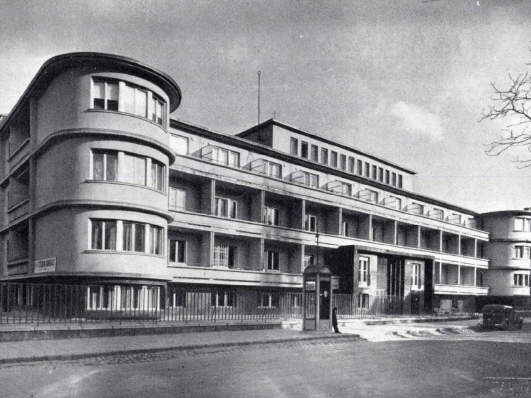
On 12 January 1945, they stormed the Jewish hospital at 16 Maros Street. Those inside were herded into the hall, stripped naked, and forced to kneel. An elderly woman in her 90s could not hear the orders well, so she was dragged to the ground by her hair. After robbing the victims, the perpetrators took the Jews into the courtyard in pairs and executed them next to a cesspool. Approximately 90 people were shot.
On 14 January, the 12th district Arrow Cross group murdered 160 patients, doctors, and nurses at the Jewish hospital on Városmajor Street. The building was looted and then set on fire with the bodies inside. On 19 January, the Jewish nursing home on Alma Street was stormed. Ten employees and 61 patients were driven to the corner of Szamos and Városmajor Streets. Those who were unable to walk were carried on stretchers. There they were executed with machine guns and hand grenades, and their bodies were set on fire. The oldest victim was 86-year-old Mrs. Zsigmond Záhrer. The Arrow Cross members of the 12th district did not only commit mass murders in Buda. They probably also participated in the massacre on Liszt Ferenc Square on 10 January 1945, on the Pest side. Here approximately 150-200 people were murdered.
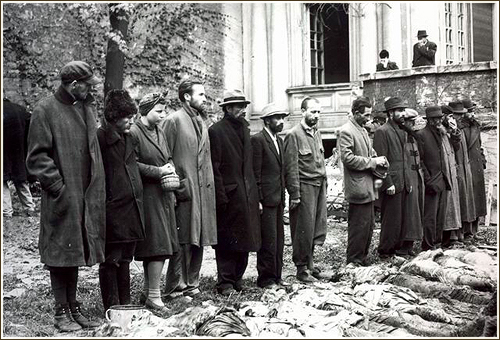
The Zugló Arrow Cross group murdered at least 200-300 people (mostly Jews) in the party headquarters at 80 Thököly út and other locations in the 14th district between October 1944 and January 1945. The group was led by Vilmos Kröszl and its members (including György Bükkös, Lajos Németh, József Hollai, and Antal Szőke) tortured and murdered their victims with the same brutal cruelty as Arrow Cross units operating elsewhere. The captured Jews were robbed, stripped naked, beaten with rubber hoses and iron bars, and burned with cigarettes. The perpetrators often raped women, similarly to their “comrades” in the 12th district. Nine members of the Zugló Arrow Cross group were captured and executed in 1949. However, Kröszl, Bükkös, and most of the perpetrators escaped justice then. In 1965, Kröszl was recognized by one of his former victims while walking along the banks of the Danube. The former commander and 18 of his men were brought to trial in 1967. Three of them (including Vilmos Kröszl) were executed, and the others received heavy prison sentences.
-
-
-
-
Budapest, Paris, Auschwitz. Budapest Jews and the Holocaust in France
-
Invasion, Police Raids, Internment. The German Occupation and the Budapest Jews
-
-
Star-Marked City. The First Ghettoization of the Budapest Jews
-
-
"In Poland, Jews are being gassed and burned." The Suspension of the Deportations
-
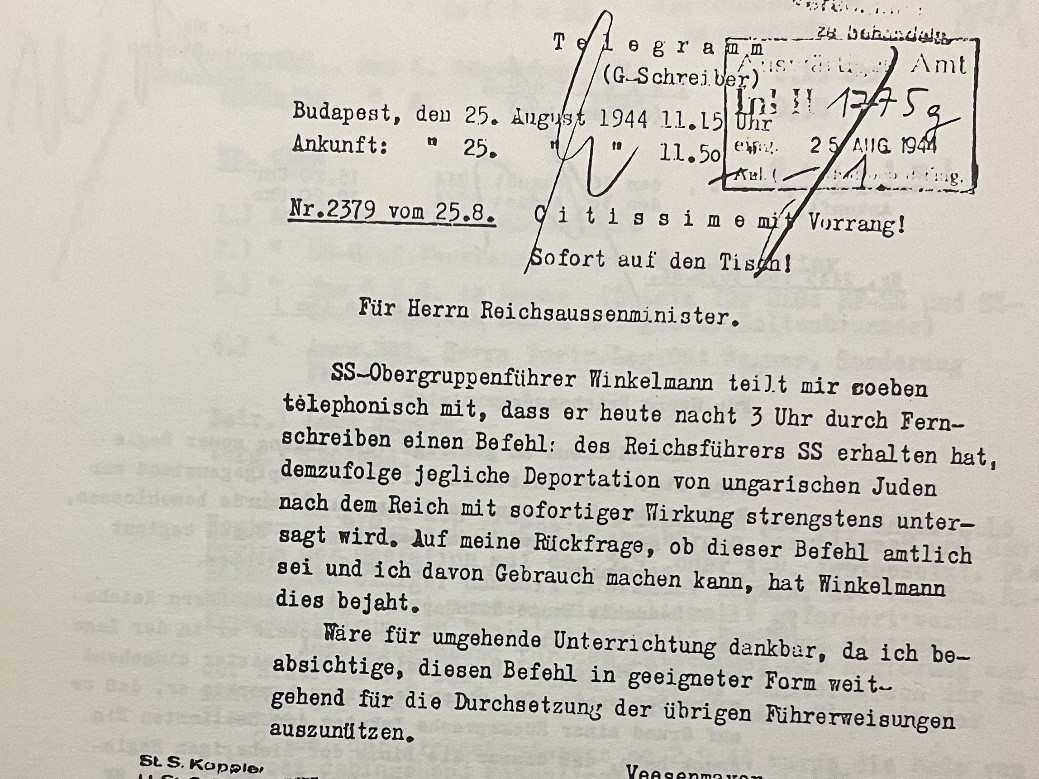
Chips on the Poker Table. The Fate of the Budapest Jews in August 1944
-
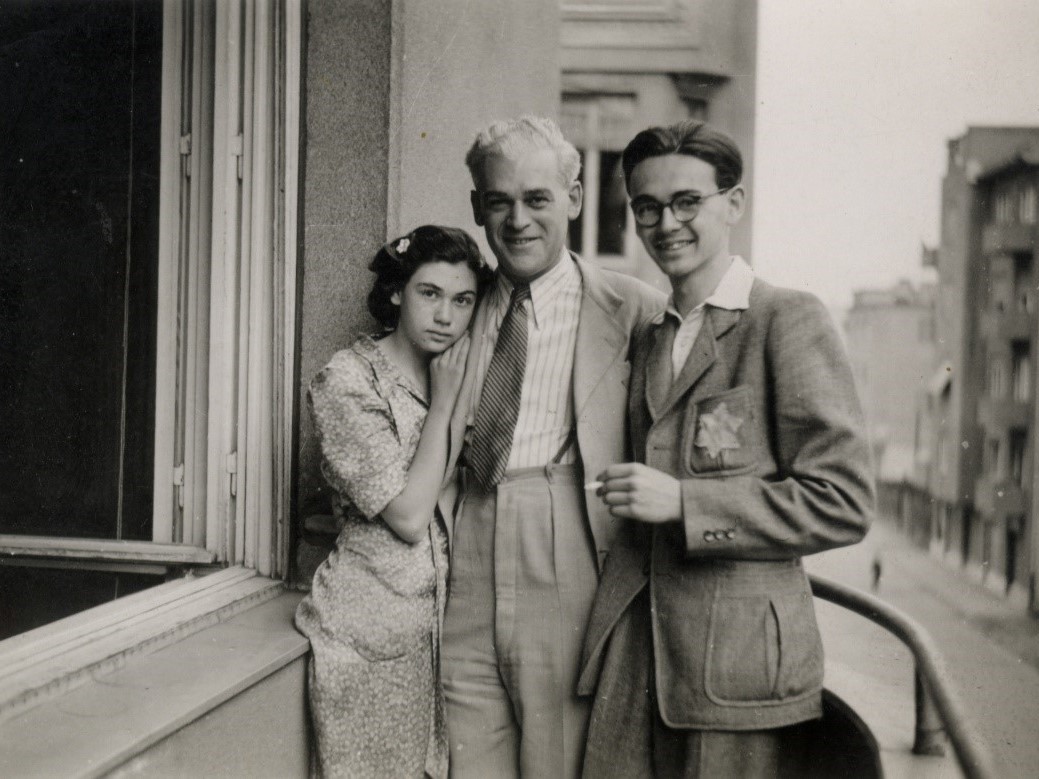
“They are being killed with gas and burned.” What did the Budapest Jews know and what could they do?
-
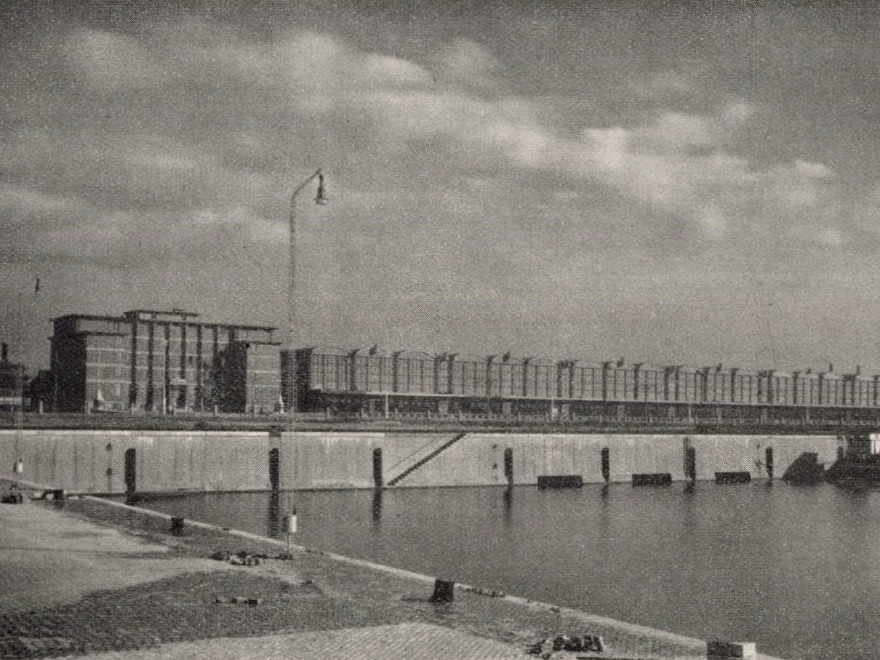
Großaktion Budapest. How would the Jews of Budapest have been Deported?
-
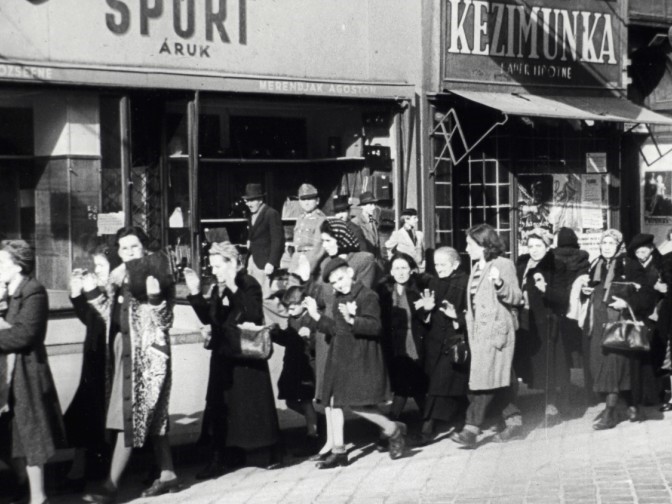
“The Danube was Red with Jewish Blood.” Arrow Cross Murders in Budapest
-
-
Death March, Brick Factory, Slave Labor. The Budapest Deportations in Late 1944
-
Ghetto and Liberation. Jews of Budapest at the End of the War
-
-
To Obey or Resist? Group and Individual Responses to Persecution in Budapest
-
-
Fates in Budapest. The Founder of the Hungarian Pharmaceutical Industry: Gedeon Richter
-
-
Fates in Budapest. The Rosenthal Saga: Forced Labor, Bergen-Belsen and the "Horror Train"