Budakalász, Monor, Birkenau. Holocaust in the Suburbs
Thousands of Jews were deported from villages and towns around Budapest by the Hungarian authorities to Auschwitz in July 1944. Most of them were murdered by the Nazis immediately upon arrival.
The present territory of Budapest encompasses 24 settlements that were not part of the capital in 1944. These settlements included both villages and towns. In 1941, approximately 30,000 Jews and 5,000 individuals who, despite being Christian, were subject to the anti-Jewish laws, resided in these areas. The Jewish population in these settlements was predominantly Neolog, similar to that of the capital. In locations where Orthodox communities existed (such as in Újpest), their numbers were significantly smaller compared to the Neolog population.
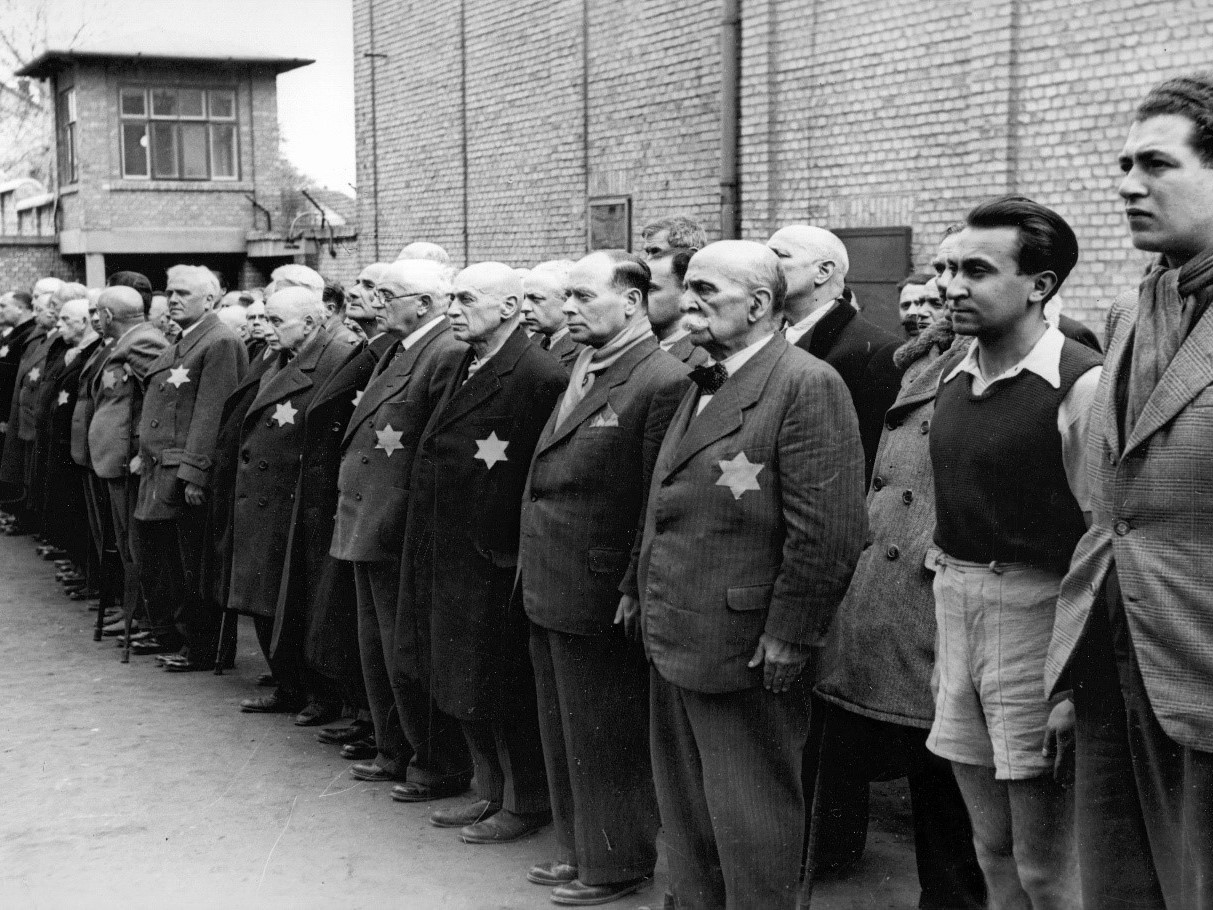
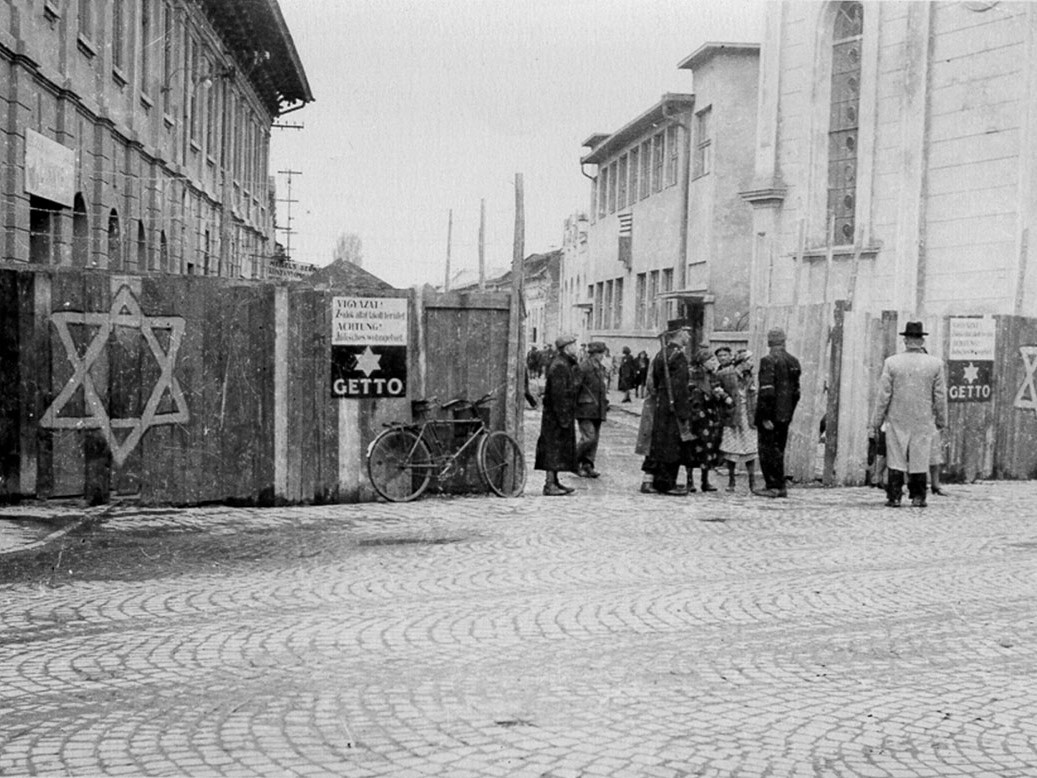
In accordance with the deportation plan devised by Endre and Eichmann, Jews residing in the suburbs were rounded up and deported prior to the planned operation in Budapest. During May and June 1944, they were confined to local ghettos. These ghettos usually did not form contiguous areas but consisted of scattered blocks of houses, such as those in Csillaghegy, Kispest, and Pestszenterzsébet. In other locations, local authorities concentrated the Jewish population in a single, easily guarded site, such as the Weiss Manfréd factory's bicycle warehouse in Csepel or the state stud farm in Pestszentlőrinc.
There were instances of humane treatment—for example, by József Molnár, the mayor of Kispest—and in some locations, even rescue efforts occurred. In Csillaghegy, László Endre, a gendarmerie sergeant major and unrelated to the State Secretary of the Interior Ministry of the same name, assisted Jews in escaping from the ghetto. Such cases, however, were exceptional. The experience of Rita Fridenstein was more representative. The 17-year-old girl from Budafok recounted in 1945: “One morning... the gendarmes rounded up the Jews and took them to the school building. There, they beat everyone terribly. Those who could not fit inside the school had to spend the night outside, in front of the building. It rained heavily all night, and those who remained outside were soaked to the skin, with all their belongings drenched.” A similar account was given by Olga Glück in her 1945 testimony. She and five others were taken from a factory in Csepel to a local school. “Words cannot describe the terrible hours we spent there. They beat us, slapped us, without regard for whether someone was a girl or a woman. They conducted the most humiliating interrogations and cavity searches, and our terrible screams were met with more slaps.” In the final days of June and the first days of July, Jews from the capital and surrounding areas were ultimately concentrated in two brick factories located in Budakalász and Monor.
„Not even Auschwitz was as terrible as the Budakalász brick factory”
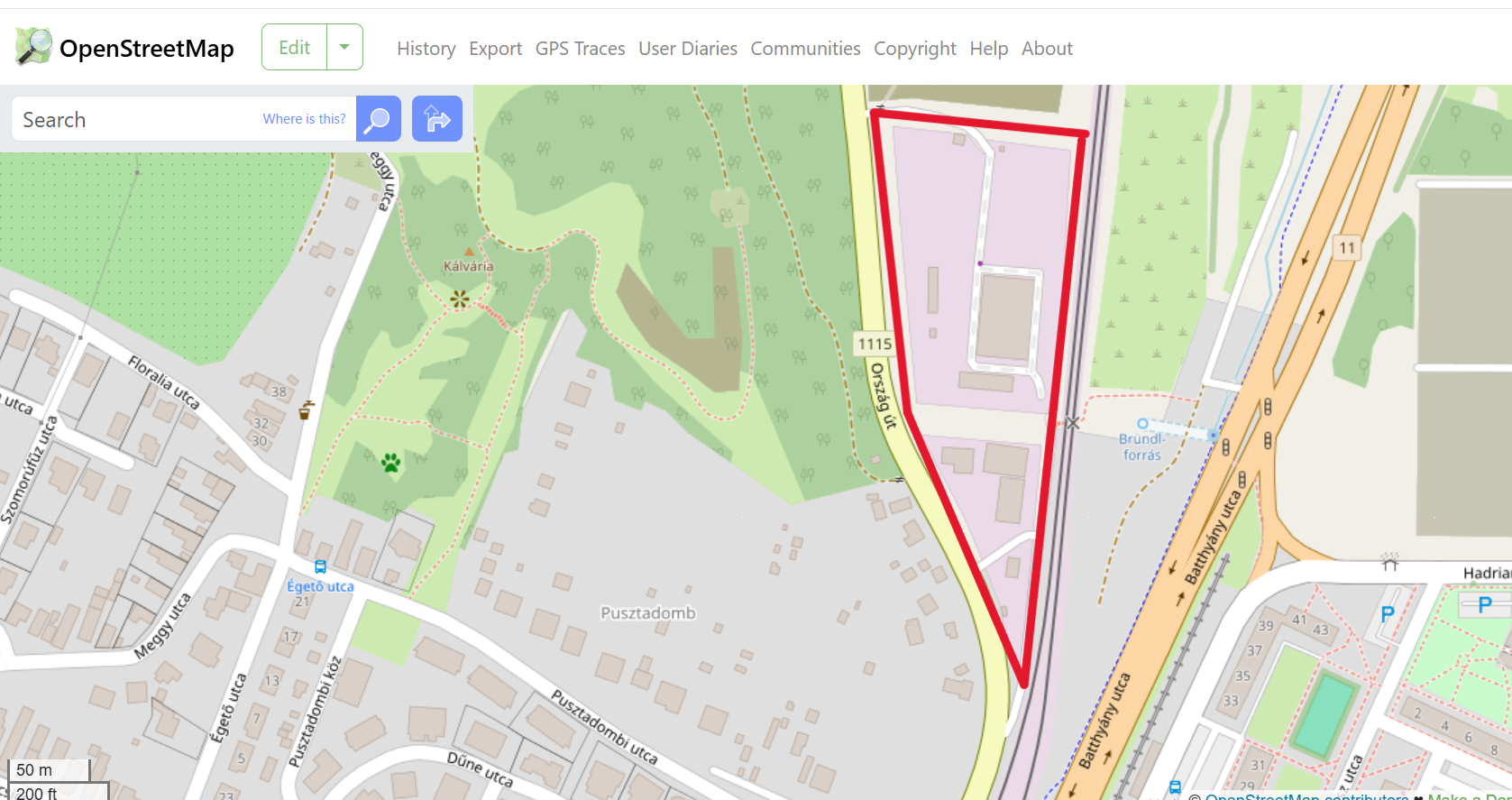
The conditions in the two brick factories were so severe that some survivors, independently of one another, later described the days spent there as an ordeal even more horrific than Auschwitz. The brick factory located on the border of Békásmegyer and Budakalász held the Jewish populations of Budafok, Csepel, Rákospalota, Rákoshegy, Rákosszentmihály, Sashalom, Cinkota, and Újpest, as well as individuals brought from more distant towns such as Dömsöd, Kiskunlacháza, Ráckeve, Szigetszentmiklós, and Taksony. Jews detained in various internment camps in Csepel—primarily those arrested in Budapest—were also transported here. The gendarmerie unit of approximately 50 men, led by Major Almássy (or Almási) and partly transferred from Debrecen, along with a group of around 10 SS personnel, treated the detainees with extreme brutality. Acts of murder also occurred.
As was the case throughout the country in the summer of 1944, the gendarmes here also beat and tortured Jews primarily in search of valuables. Dr. Ilona László, a physician, was transferred from the Újpest ghetto to Budakalász. “The brick factory was crammed with people. We were given no food... They beat people to make them confess where they had hidden their money and jewelry.” Murders also occurred. Mrs. Jenő Weisz, also deported from Újpest to Budakalász, was so deeply affected by her experience that a year and a half later, she reflected: “Perhaps not even Auschwitz was as terrible as the Budakalász brick factory.” The aforementioned Olga Glück and her companions were transported from the school in Csepel to Budakalász. “There, we encountered indescribably horrific conditions. Corpses with bulging eyes, filth everywhere, crying children, and desperate mothers. Families huddled together on piles of bricks, embodying pure terror and fear.”
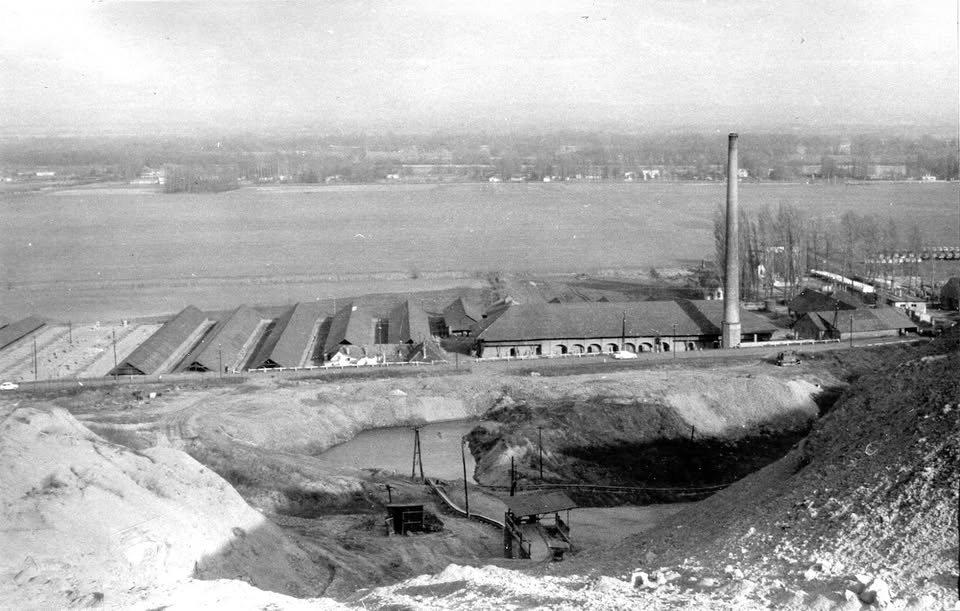
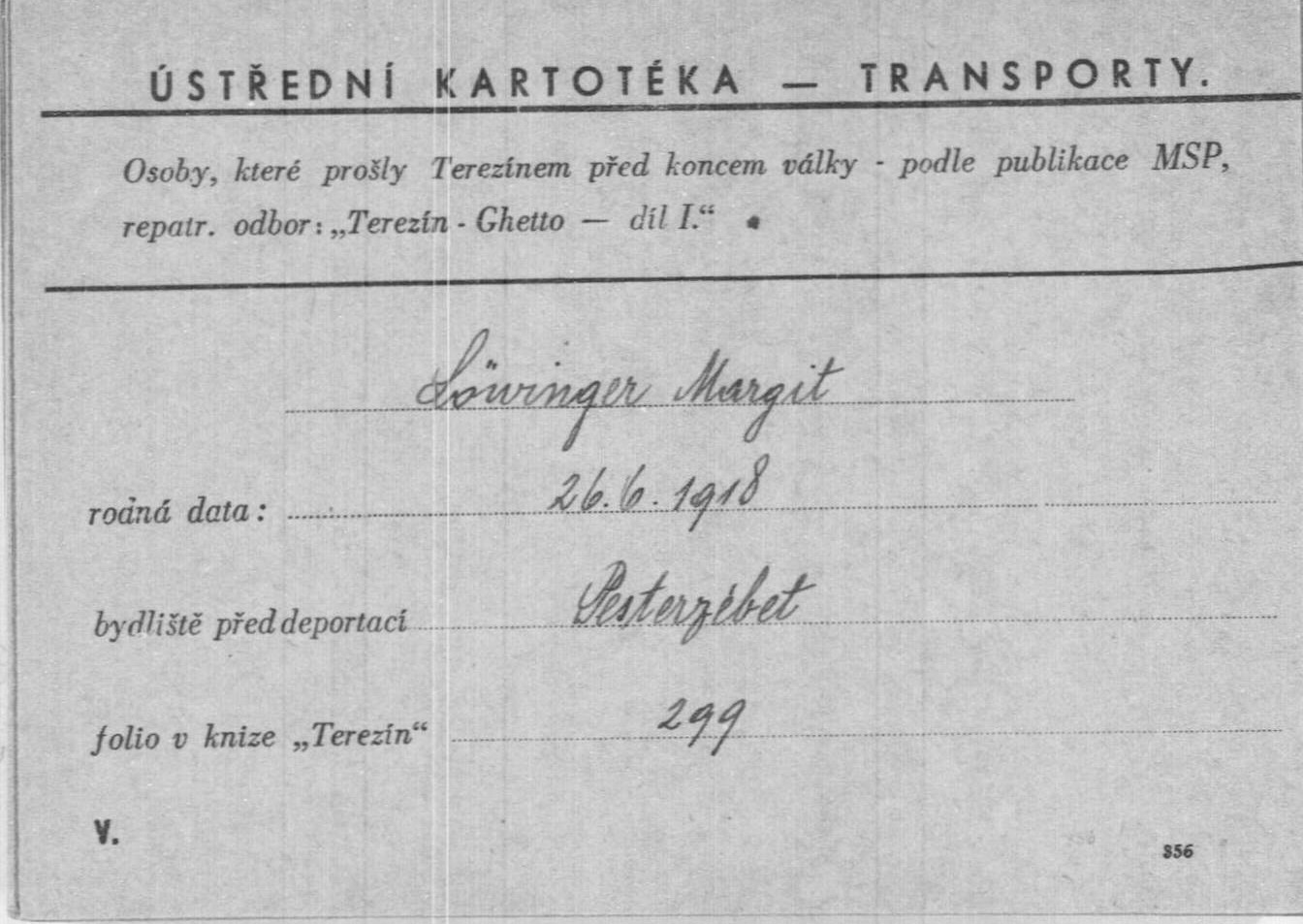
Miklósné Vas (née, Erzsébet Weinberger) was transported to Monor from the ghetto in Szentendre. In her words, “provisions here were handled even worse than in Auschwitz. There was something they called a hospital—just a miserable little hole, a dreadful cellar-like place. Many people went insane, and there were mass suicides.” According to Margit Lőwinger, a hairdresser from Pestszenterzsébet, the gendarmes beat several people to death. Pál Szenes from Kispest was not yet sixteen when he was taken to the Monor brick factory. “Those were the worst days—even worse than the worst ones in Germany,” he recalled after the war. “There was no water, it was unbearably hot, and people went mad. Later, it poured with rain, there was no shelter... there were countless suicides, the entire hall was full of suffering. Women who had never slept on the ground in their lives were forced to lie in the mud, on stones, while their belongings floated in the heavy rain.” Mária Raskó from Kispest reported ten deaths per day
Selection, slave labor, death march
Between July 6 and 8, Hungarian authorities deported 24,128 Jews from the two brick factories to Auschwitz-Birkenau in six transports. The final trains departed for the extermination camp even after Regent Horthy’s decision of July 6–7, which prohibited further deportations. This marked the end of mass deportations from the Hungarian countryside; only Jews serving in labor service battalions and those in Budapest remained in the country. The vast majority of deported suburban Jews were murdered by the Nazis in the gas chambers upon arrival at Birkenau. Those deemed fit for labor and temporarily spared were transferred to various camps within the concentration camp system.
The individuals cited above were among the few suburban Jews who survived deportation. Dr. Ilona László, a physician from Újpest, worked in the hospital section of Birkenau, trying to assist her sick fellow prisoners during the deadly selections carried out by the infamous Dr. Josef Mengele. When the camp was evacuated, Dr. László was transferred to Bergen-Belsen, where she was eventually liberated. Mrs. Weisz, who described the brick factory in Budakalász as worse than Auschwitz, lost 12 family members during the initial selection at Birkenau. She was first taken to Bergen-Belsen, and in January 1945, she was transferred to an aircraft factory for slave labor. During the camp’s evacuation in April, she escaped from the death march.
Olga Glück, who had endured a brutal body cavity search by gendarmes at the Csepel school, survived the selection at Birkenau and was admitted into the camp. There, she encountered others from Budakalász who had arrived on earlier transports; she could barely recognize the "bald, ragged, emaciated, horribly looking girls"—including her own sister, whom she identified only with the help of others. Her journey continued through a factory in Frankfurt and ultimately led to Ravensbrück, where she had to perform slave labor for the Nazis. After the camp’s evacuation, she was liberated by Soviet forces on the roadside.
Erzsébet Vas, deported from Szentendre to Birkenau via Monor with her two daughters, survived the initial selection. However, on October 7, during the assembly of a labor transport, Dr. Mengele sent both daughters to the gas chambers. Vas was taken to a subcamp of Gross-Rosen, from which she escaped during an evacuation death march and gained her freedom. Margit Lőwinger, who reported on murders committed by the gendarmes in Monor, was transferred from Birkenau to a bomb factory in the Czech lands and later to Theresienstadt, where she was liberated by Soviet troops. Teenager Pál Szenes survived Birkenau, Buchenwald, slave labor in Magdeburg and Sonneberg, and an evacuation death march. He was liberated in May 1945.
Újpest
The largest Jewish community in the suburbs of Budapest was that of Újpest. Jews had played a significant role in the city’s life since its foundation in the 19th century. Most of Újpest's industrial plants were founded by Jews, such as the wood trade of Izsák Neuschloss, Gyula Wolfner, and the tanneries of the Mautner brothers. The proportion of Jews in the total population peaked in 1920, when Jews made up 20 per cent of the population of Újpest (11,299). In 1941, 10,882 Israelites (14.3 %) and 1,281 (1.7 %) Hungarian citizens of the Christian religion, but subject to Jewish laws, lived in Újpest. In the summer of 1941, hundreds of Jews were deported from Újpest in the course of the ''expulsion of stateless persons'' operation, including some whose citizenship status was in fact regular. Most of them were shot into mass graves at Kamenets-Podolsky at the end of August by SS units led by Obergruppenführer Jeckeln.
Both Orthodox and Neolog communities were established in the city. As of April 1944, the Orthodox community numbered 460 members, while the Neolog community counted approximately 12,000. Elek Mezei served as president of the Neolog community, with Dr. Dénes Friedman as Registrar Rabbi. The Orthodox community was led by Zsigmond Weingarten, a merchant, along with Lipót Goldmann, the Registrar Rabbi, and Rabbi Abraham Wachsmann.
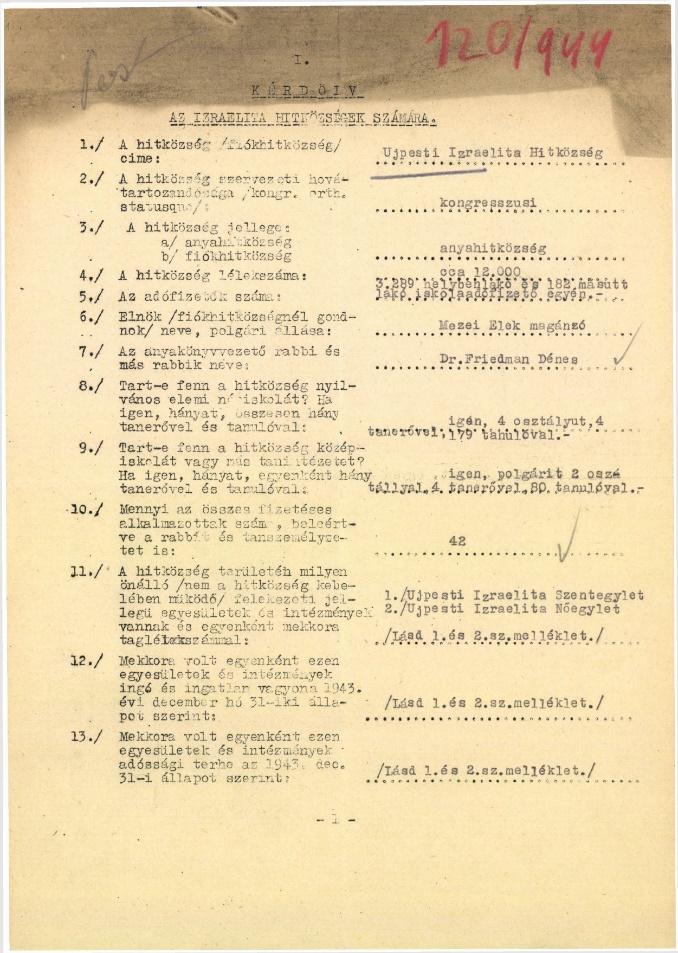
The Jewish Council was composed of Rabbi Dr. Dénes Friedman, lawyers Dr. György Székely and Dr. László Lengyel, and János Szűcs. Most of the Jews of Újpest were deported to Budakalász in the early days of July, likely by gendarmes from Nagyvárad (today: Oradea, Romania) under brutal conditions marked by beatings and looting, as had become common across the country. Labor servicemen and women laborers remained in some military factories in Újpest until the Arrow Cross takeover; they were deported to the capital after 15 October.
Deportations from the Budakalász concentration camp to Auschwitz-Birkenau took place between 6 and 8 July. The vast majority of the deportees were killed: either immediately upon arrival, or in the following months during slave labor in the camp system, or during the evacuation death marches of 1945.
The handful of survivors from Újpest reestablished their communities in 1945: both the Orthodox and Neolog communities were revived. Újpest became part of Budapest in 1950, and the Neolog and Orthodox communities of the capital were merged under the name Budapest Israelite Community at the behest of the communist authorities.
For the list of child victims from Újpest click here.
-
-
-
-
Budapest, Paris, Auschwitz. Budapest Jews and the Holocaust in France
-
Invasion, Police Raids, Internment. The German Occupation and the Budapest Jews
-
-
Star-Marked City. The First Ghettoization of the Budapest Jews
-
-
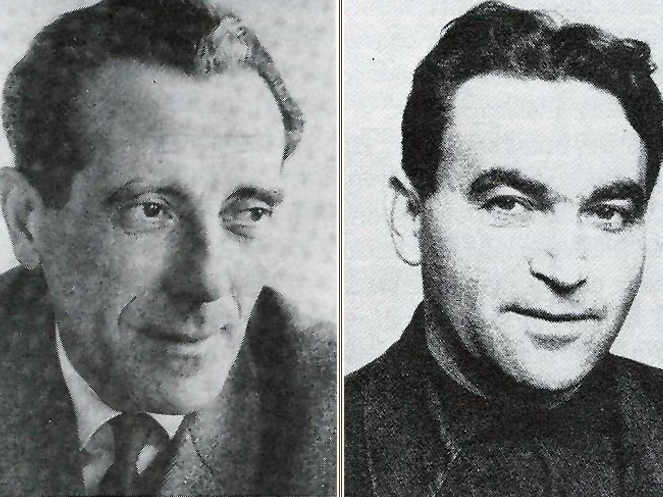
"In Poland, Jews are being gassed and burned." The Suspension of the Deportations
-
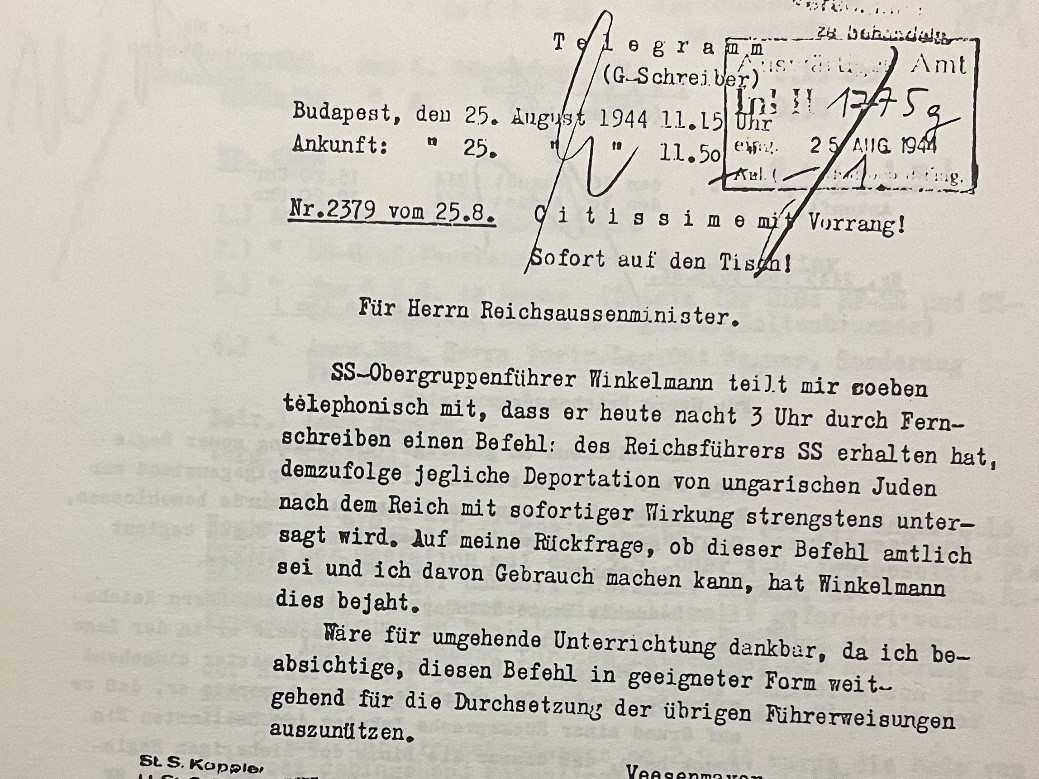
Chips on the Poker Table. The Fate of the Budapest Jews in August 1944
-
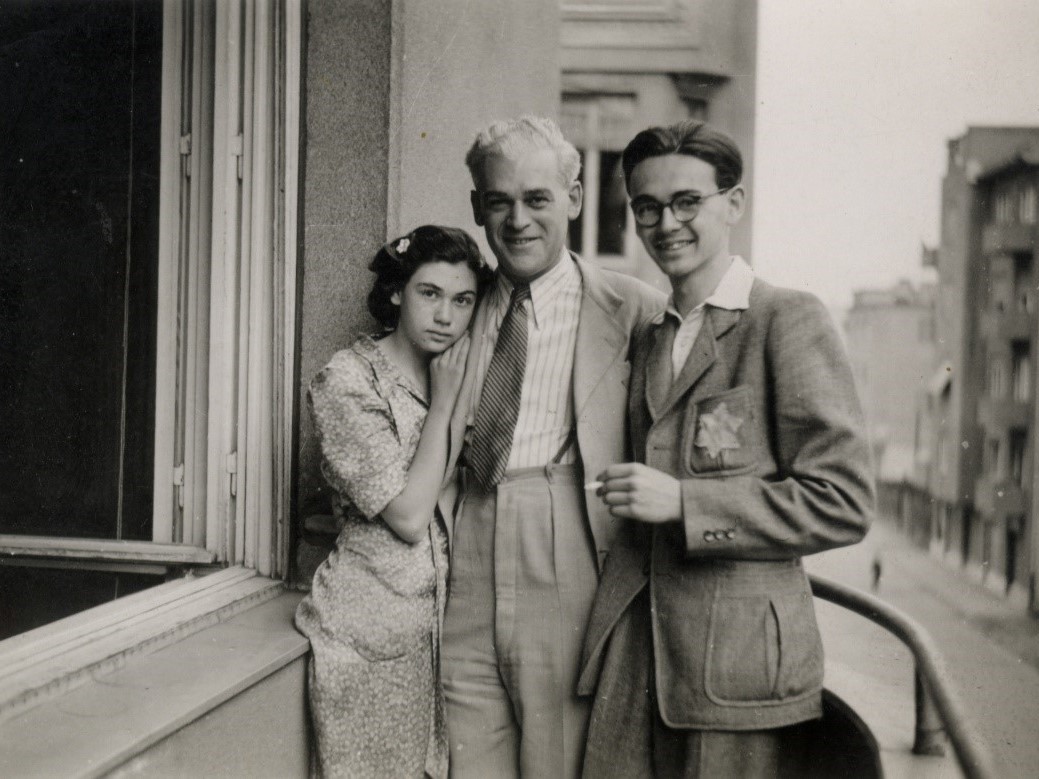
“They are being killed with gas and burned.” What did the Budapest Jews know and what could they do?
-
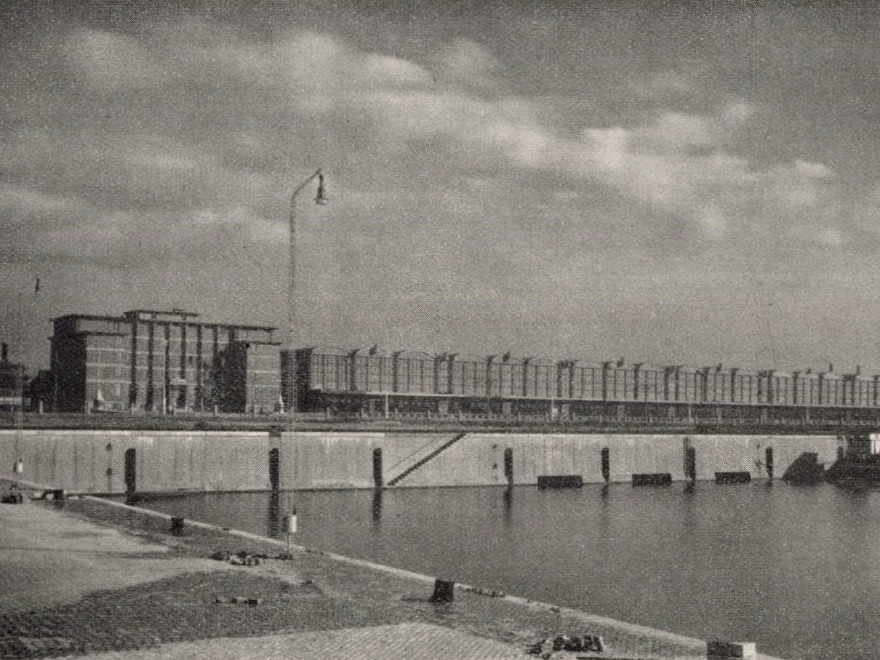
Großaktion Budapest. How would the Jews of Budapest have been Deported?
-
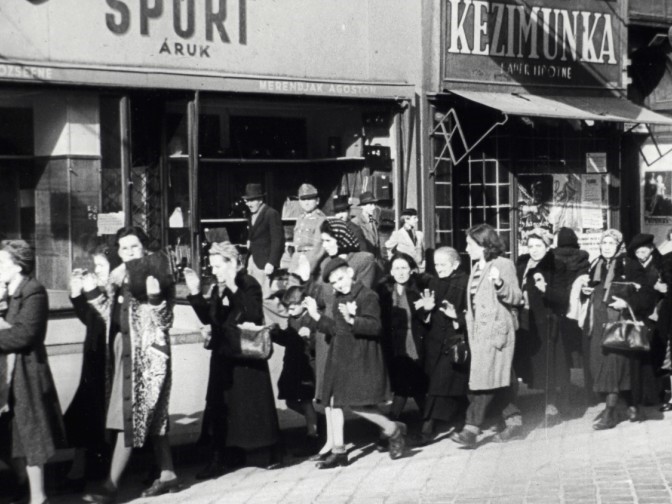
“The Danube was Red with Jewish Blood.” Arrow Cross Murders in Budapest
-
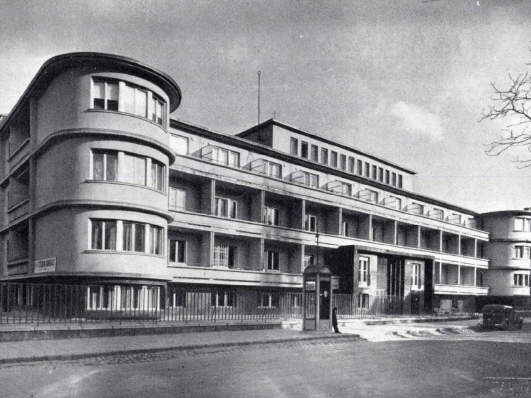
-
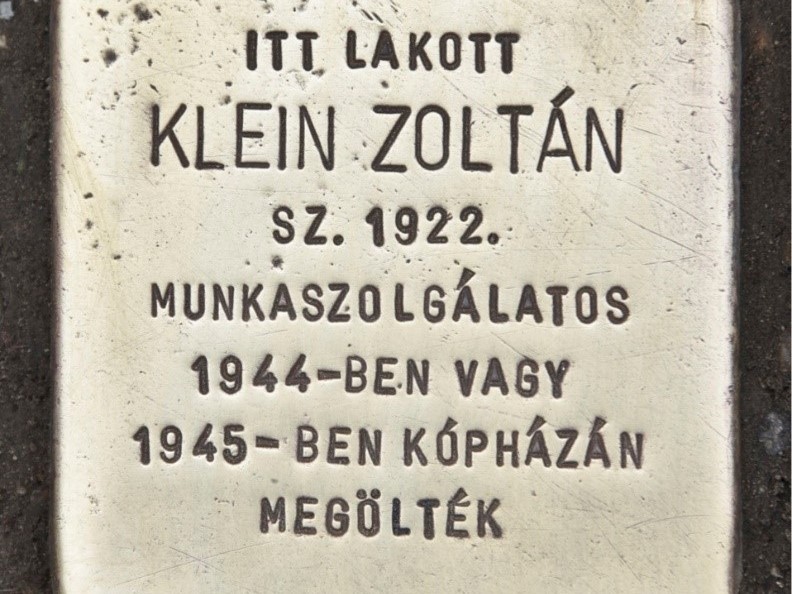
Death March, Brick Factory, Slave Labor. The Budapest Deportations in Late 1944
-
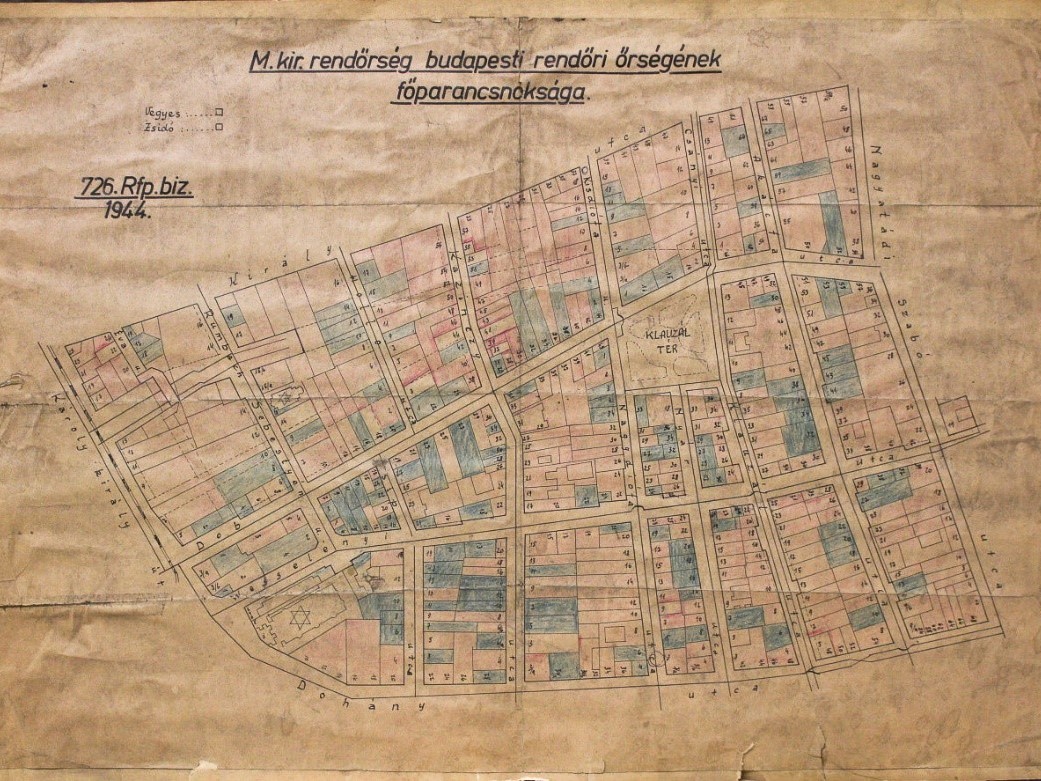
Ghetto and Liberation. Jews of Budapest at the End of the War
-
-
To Obey or Resist? Group and Individual Responses to Persecution in Budapest
-
-
Fates in Budapest. The Founder of the Hungarian Pharmaceutical Industry: Gedeon Richter
-
-
Fates in Budapest. The Rosenthal Saga: Forced Labor, Bergen-Belsen and the "Horror Train"