Invasion, Police Raids, Internment. The German Occupation and the Budapest Jews
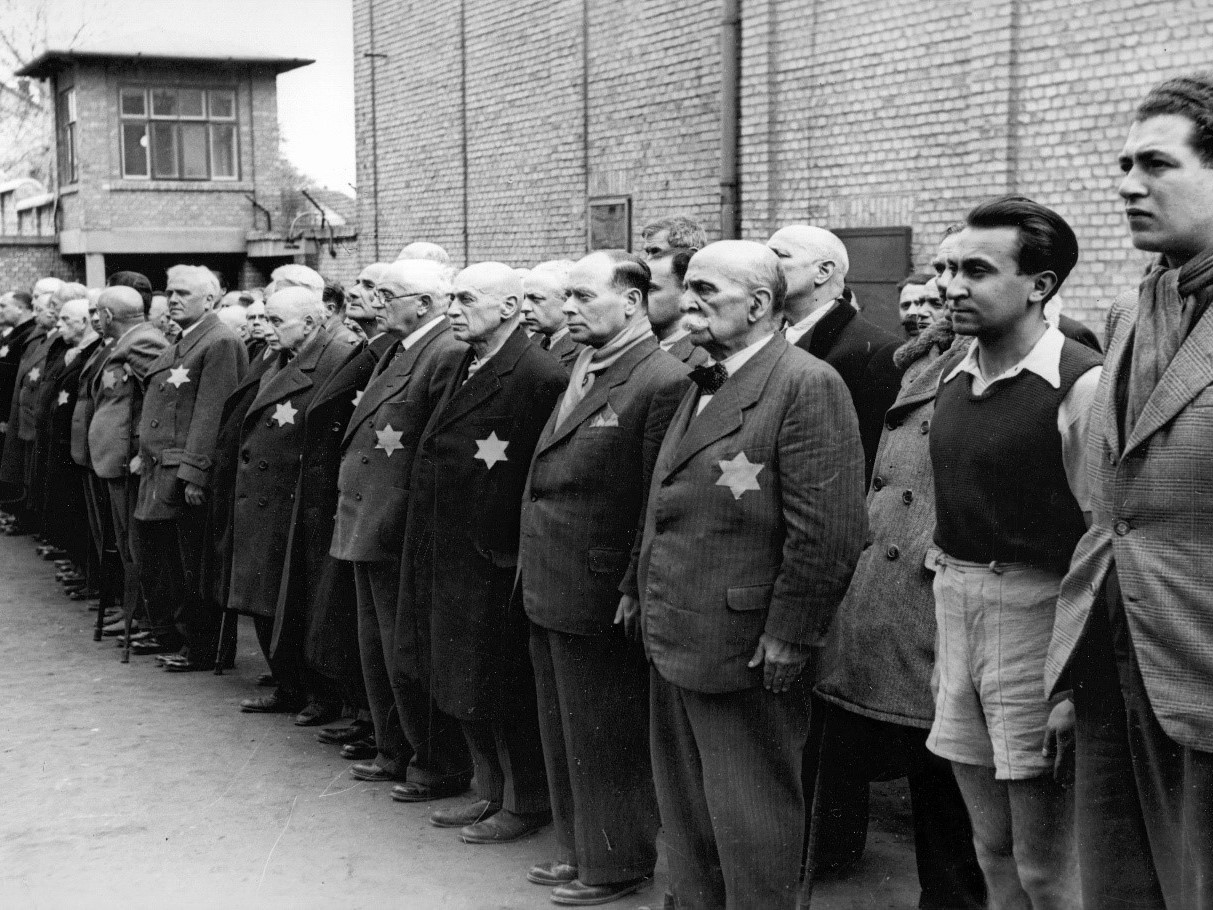
In the days following the German occupation in March 1944, thousands of Jews in Budapest were arrested by the Hungarian and German police. Most of them were sent to Nazi concentration camps via internment and labor camps, and other detention sites.
The German occupation of Hungary
1943 marked a turning point in WWII. The defeats in Stalingrad and Kursk, and the loss of North Africa made the political leadership of the countries allied with Germany realize that Hitler's army had less and less chance of winning the war. The circles of the Hungarian head of state, Regent Miklós Horthy and Prime Minister Miklós Kállay also began to seek contacts with Western allies with increasing intensity. After learning of the Kállay government's attempts, Hitler ordered his generals to draw up a plan to invade Hungary. Berlin could not allow another ally to turn its back on it after Italy's withdrawal in the autumn of 1943. Hitler was also spurred to occupation by the fact that he saw the “Jewish question” in Hungary as “unresolved”, since the government had not deported Hungarian Jews even after repeated calls from the Nazis.
On 18 March 1944, Hitler and Horthy met in Austria. The Nazi leader told him that since Kállay was a traitor and had been negotiating with the Western allies, he was forced to order the invasion. There followed several stormy discussions. Horthy refused to legitimize the action with a joint declaration, and Hitler refused to withdraw his troops. Finally, a verbal compromise was reached: Horthy would not give the order to resist (something the isolated regent in German hands could not have done anyway), would agree to Kállay's dismissal, would stay in his post, and appoint a government that met German expectations. In return, Hitler dispensed with the participation of Slovak and Romanian troops in the invasion and promised that the occupation would be temporary.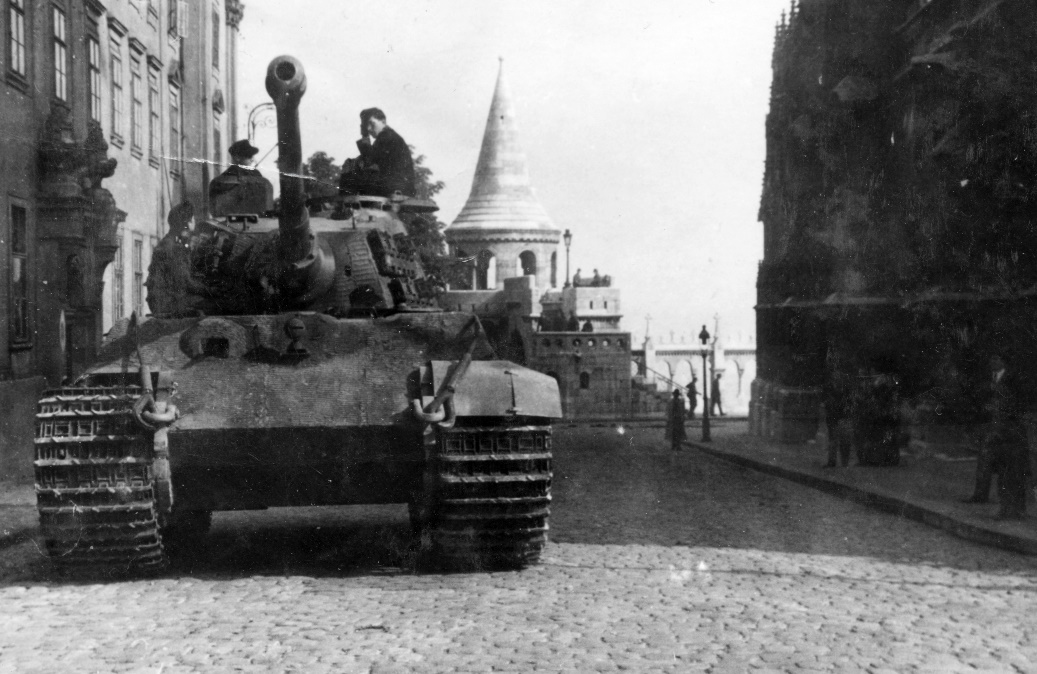
The Sztójay government
The most important issue in the first days of the occupation was the formation of a new government acceptable to the Germans. Horthy entrusted Döme Sztójay, the ambassador to Berlin, with the task of forming a government. The army general, who was inexperienced in Hungarian domestic politics, was already ill at the time and, having returned home after many years of diplomatic service, was unfamiliar with the situation in Hungary. The Regent believed that this would increase his room for maneuver in the future, while at the same time Sztójay, a committed German sympathizer and devoted antisemite, was acceptable to the Germans. The government united most of the extreme right-wing political forces.
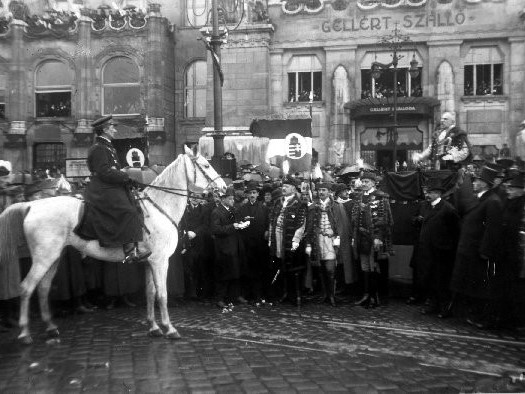
The collaborationist Sztójay government came to power within a formally legal framework: the previous cabinet resigned and the new one was approved by Horthy in accordance with constitutional requirements. However, everyone knew that behind the “legal” government and the Regent stood an occupying army with loaded weapons. The list of government members left readers in no doubt as to the orientation of the new cabinet: in the spring of 1944, extreme right-wing fanatics, Nazi collaborators and careerists in Hungary formed an alliance with the extremists of the ruling party.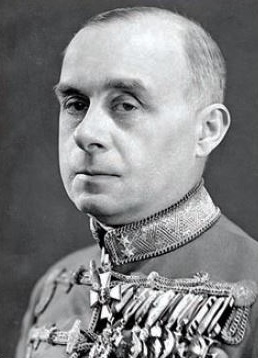
With the invasion troops, a Security Police (Sicherheitspolizei) unit of around 600 arrived in Hungary. The detachment was led by SS Colonel Hans Geschke, who had been appointed Commander in Chief of the Security Police and Security Service in Hungary (Befehlshaber der Sicherheitspolizei und des SD - BdS). He was in charge of the regional commanders (Kommandeur der Sicherheitspolizei und des SD - KdS) based in the big cities. The SD, Gestapo, Kripo (Criminal Police), and SIPO (Security Police) met in the Mauthausen concentration camp, and from there they went to Budapest.
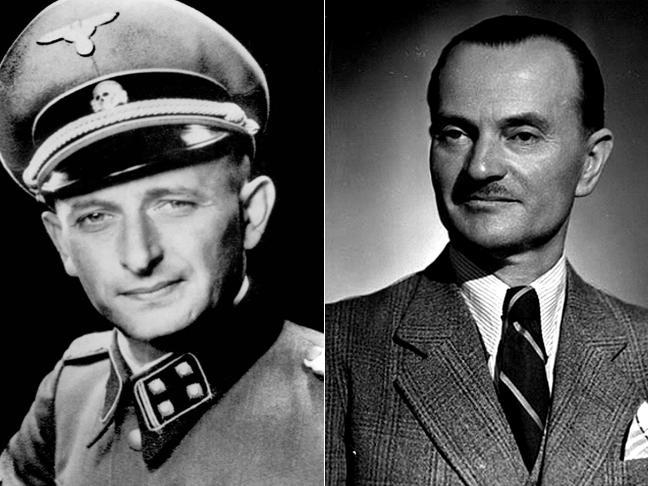
Geschke had several detachments under him. Two of these units were of particular importance for the fate of the Hungarian Jews. One was headed by SS Lieutenant Colonel Adolf Eichmann, who worked in Office IV (Gestapo) of the Reich Security Main Office, the umbrella organization of the SS policing agencies. In the Gestapo, he was in charge of Jewish affairs with European-wide powers. He arrived in Hungary at the helm of a small group of his men who already had extensive experience in anti-Jewish campaigns. The unit was named after its commander: Sondereinsatzkommando Eichmann - SEK. Its task was to organize the deportation of Hungarian Jews. In addition to the SEK, Geschke BdS commanded another special unit in Budapest. The 32-strong detachment of Gestapo men was led by SS Major Alfred Trenker, KdS, Budapest. 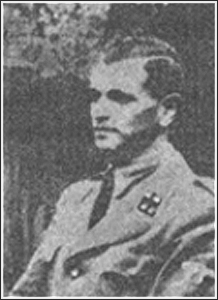
Arrests, denunciations
On arrival in Budapest, the Trenker unit immediately set about arresting politically dangerous Jews and non-Jews. Through its well-organized network of agents, the Gestapo worked from lists of names with addresses. In addition to Ferenc Keresztes-Fischer, the Minister of the Interior, those arrested included Social Democratic members of parliament, journalists, police and military leaders, aristocrats and others. Within a few days, hundreds of left-wing or simply anti-German, anti-Nazi politicians and public figures were taken prisoner. Former Prime Minister István Bethlen was forced into hiding. The Kállay government resigned, the prime minister fled to the Turkish embassy.
The Gestapo also arrested several prominent Jewish public and business figures. For example, Ferenc Chorin, president of the National Association of Industrialists, his brother-in-law, the businessman and industrialist Móric Kornfeld, the social-democratic politician Manó Buchinger, and Leó Buday-Goldberger, a leading figure in the Hungarian textile industry, were all imprisoned. Some of the rich Jews who were arrested had their houses immediately occupied. Lipót Aschner, CEO of the largest factory producing electronic goods, had his villa occupied by Eichmann. SS General Otto Winkelmann took up residence in the house of industrialist Jenő Vida in the leafy Gellért Hill neighborhood. SS Lieutenant Colonel Kurt Becher and his staff moved into Chorin's villa on Andrássy Road.
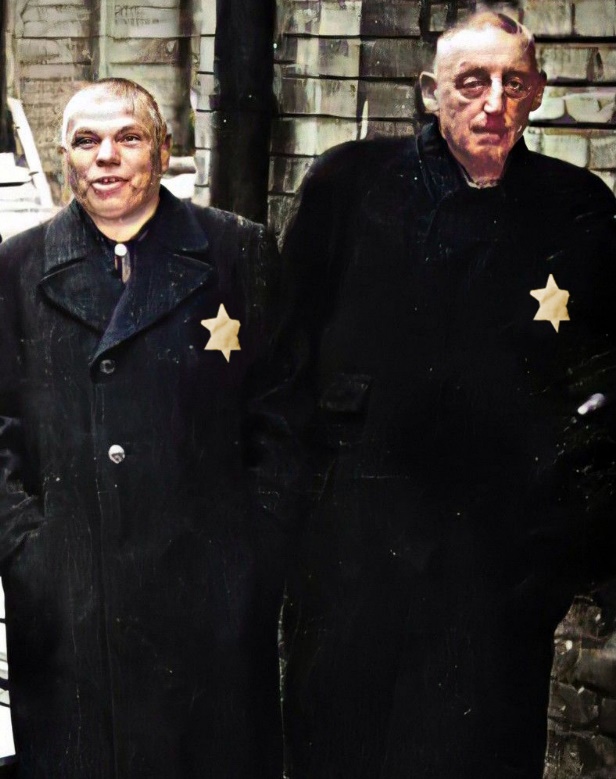
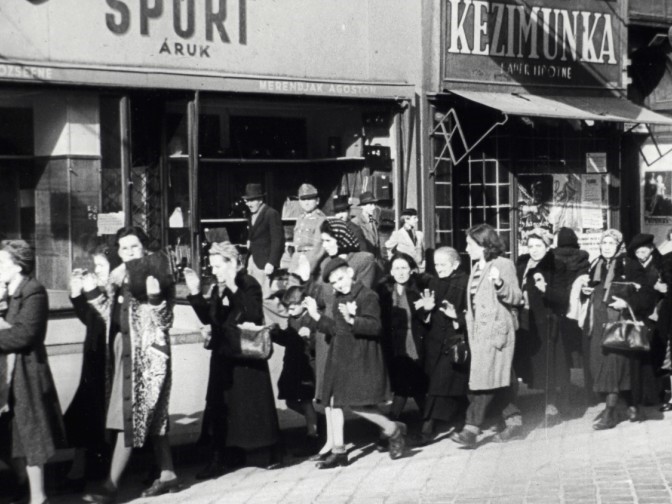
The Hungarian and German police forces not only arrested prominent political and economic leaders in a planned manner, but also randomly arrested "ordinary" Jews in the open street, on public transportation, on trains and in train stations. Mrs. Dezső Katz was sending a parcel to her labor serviceman husband with a comrade and planned to deliver it at the Eastern Railway Station (Keleti) on 20 March. "I asked the policeman if I could go into the station building," she recalled in 1945, "I said I didn't want to travel, but I was Jewish. He kindly told me to just come in and he put me in the queue with the other Jews who had been arrested." By evening, she was in the internment camp at Kistarcsa, from where she was soon deported to Auschwitz. Hugo Weingarten was also arrested that day in the Eastern Railway Station, and he too was taken to Kistarcsa. Eszter Strunovics was arrested at the Western Railway Station (Nyugati) and held there for two days before being interned. Within a month, the number of detainees exceeded 7,000. At the end of April, hundreds of lawyers and journalists received summons to appear before the authorities. They were also imprisoned.
The various German and Hungarian police forces not only arrested Jews on the basis of lists prepared in advance or at random, but also received many denunciations. According to Samu Stern, banker and president of the Jewish Community of Pest (and of the Jewish Council in 1944), the Germans informed him that they had never received so many denunciations as in Hungary. This opinion, which later became common knowledge, was however refuted by Trenker after the war. He recalled that there were about as many denunciation letters as anywhere else. Trenker could not, of course, know exactly how many people had turned to other units, such as Eichmann's group or the Hungarian State Security Police, which became known as the “Hungarian Gestapo”. In addition, the average Hungarian citizen would rather write to the domestic Hungarian law enforcement agencies than to foreign Germans who did not speak the language. In any case, the extreme right-wing professional organization, the National Association of Hungarian Lawyers, gave the names of 700 Jewish lawyers to the Gestapo. In May, the far-right medical organization, the National Association of Hungarian Physicians, pulled many strings to have their Jewish colleagues, who served in the labor service system, deported.
Svábhegy, Kistarcsa, Auschwitz
Those arrested in Budapest were taken to makeshift detention sites set up by the SS and prisons and internment camps of the Hungarian police network. Prisoners were tortured in the cellars of the Astoria Hotel in Pest, as well as in the SS and Hungarian police headquarters in the occupied hotels in the Buda Hills. Pál Székely was taken with his 70-year-old mother to the Gestapo headquarters in one of these hotels. "I was beaten with a truncheon for hours, fainted four times, had my hands tied behind my back and locked with padlocks. My mother - 70 years old - had to sit there and watch me being tortured," recalled the mechanical engineer, who survived Auschwitz and Dachau, in 1945.
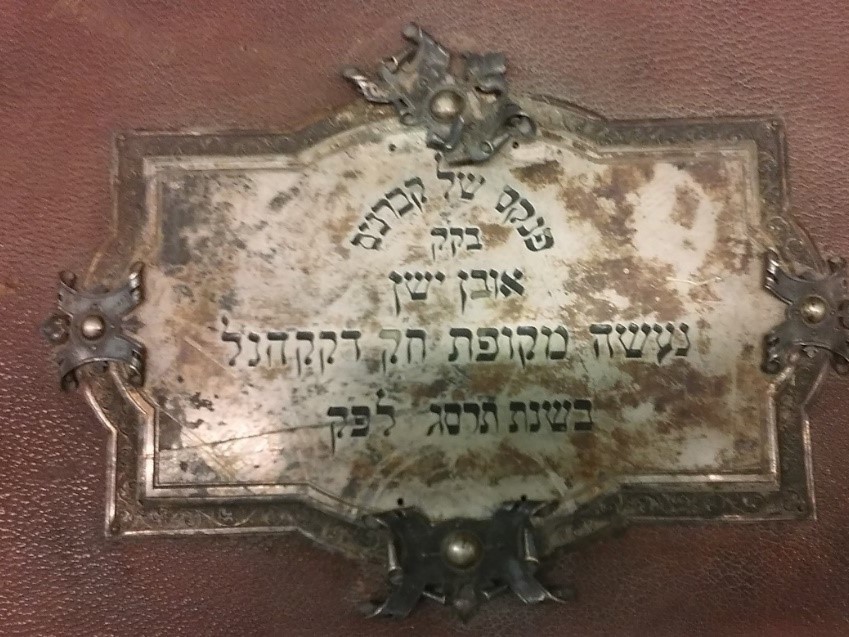
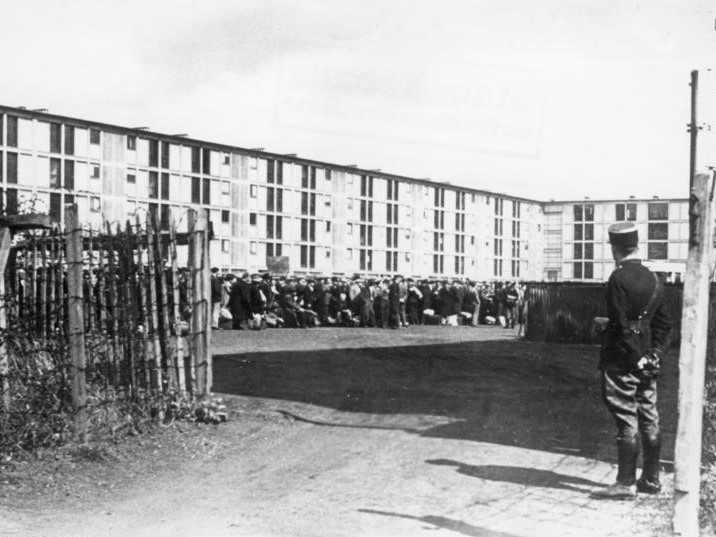
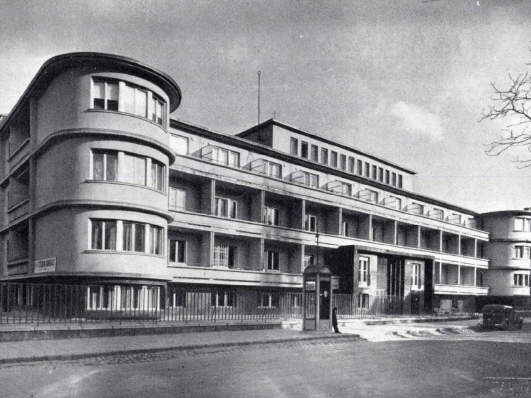
Most people were taken to the internment camps and detention facilities (toloncház) that were already in operation before the occupation, in and outside of Budapest (Kistarcsa, Csörgő, Garany, Nagykanizsa, Topolya, Sárvár). German and Hungarian police forces occupied the building of the Rabbinical Seminary in Rökk Szilárd Street and used it as a central collection site, from where they sent the detainees to the internment camps and forced labor sites on Csepel Island, south of Budapest, including the so-called Mauthner-telep, Tsuk-telep, Horthyliget, Királyerdő, and Herminamajor. The Rökk Szilárd Street prison was under joint German-Hungarian control, but most survivors mention Pál Ubrizsy, a Hungarian police officer, as their commander. The unanimous recollections are that Ubrizsy was cruel to the prisoners. Dr. Tibor Neumann, who organized the food supply for the internees on behalf of the Jewish Council, called him "the world's greatest executioner". 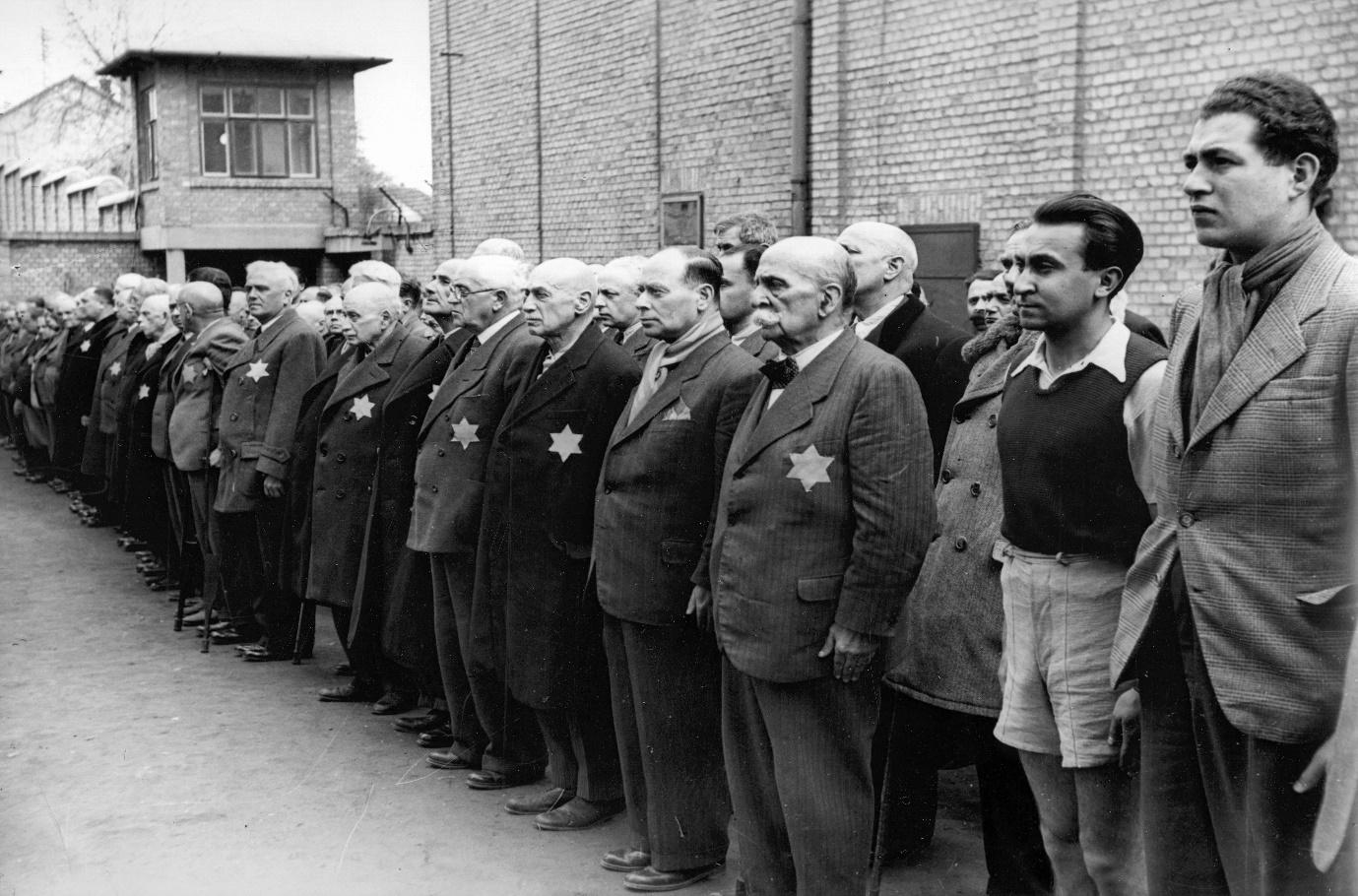
-
-
-
-
Budapest, Paris, Auschwitz. Budapest Jews and the Holocaust in France
-
Invasion, Police Raids, Internment. The German Occupation and the Budapest Jews
-
-
Star-Marked City. The First Ghettoization of the Budapest Jews
-
-
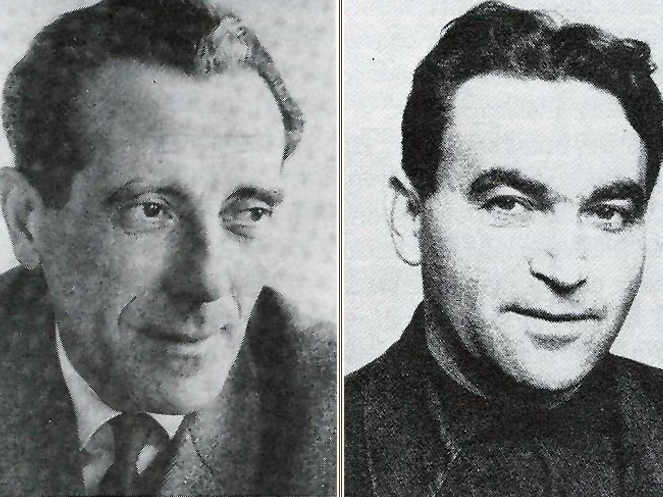
"In Poland, Jews are being gassed and burned." The Suspension of the Deportations
-
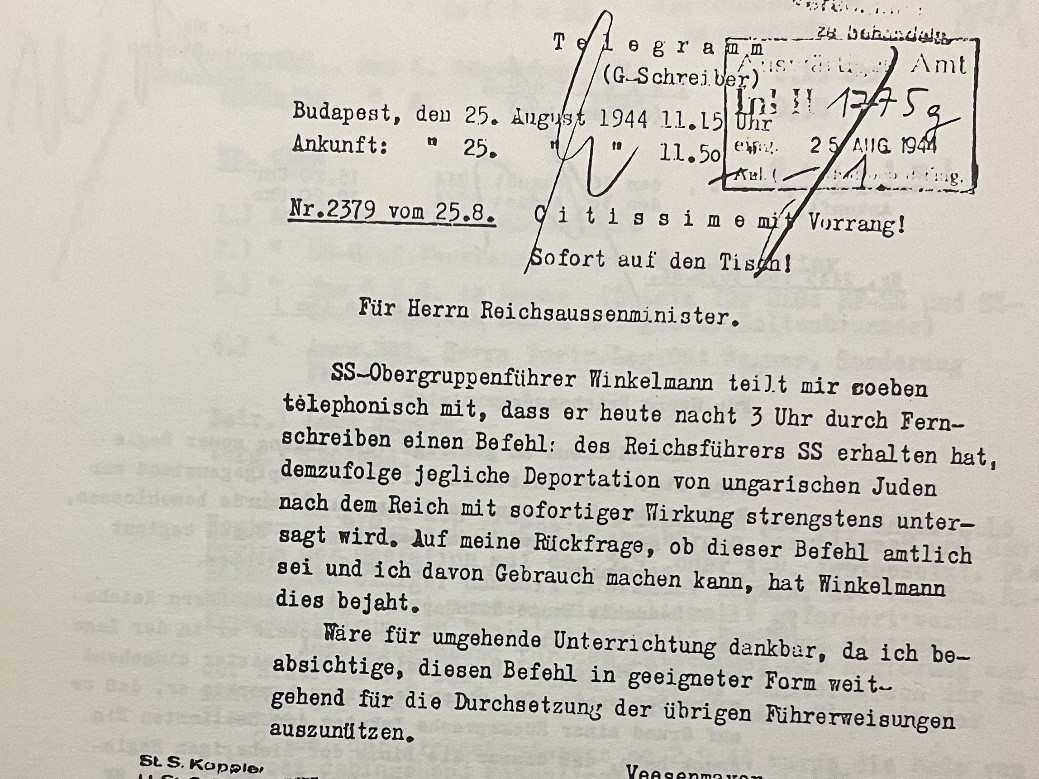
Chips on the Poker Table. The Fate of the Budapest Jews in August 1944
-
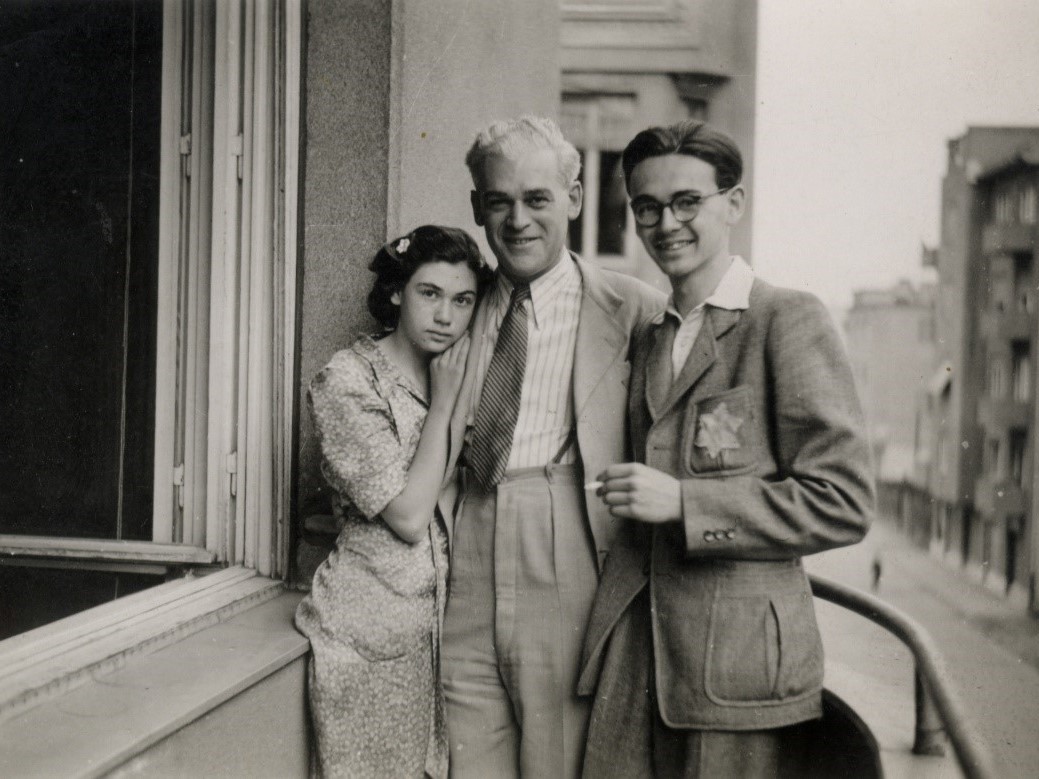
“They are being killed with gas and burned.” What did the Budapest Jews know and what could they do?
-
Großaktion Budapest. How would the Jews of Budapest have been Deported?
-
“The Danube was Red with Jewish Blood.” Arrow Cross Murders in Budapest
-
-
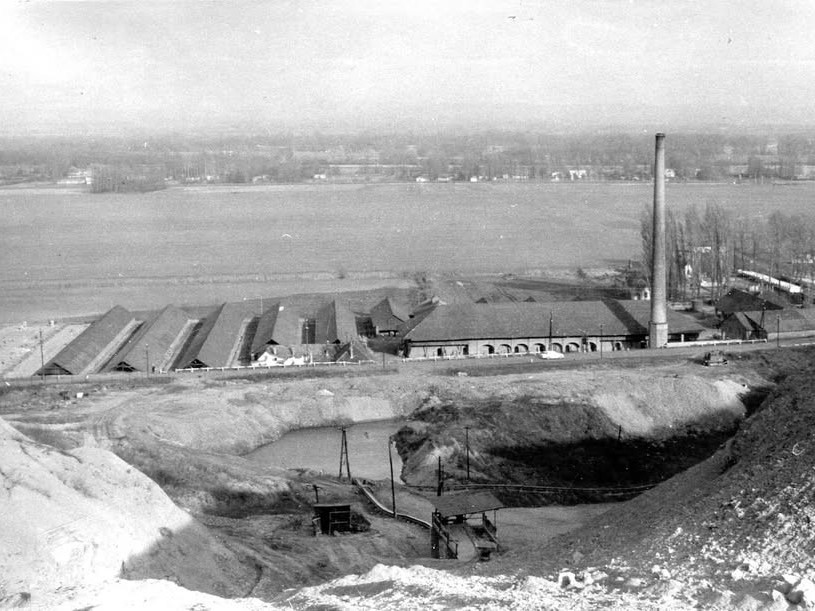
Death March, Brick Factory, Slave Labor. The Budapest Deportations in Late 1944
-
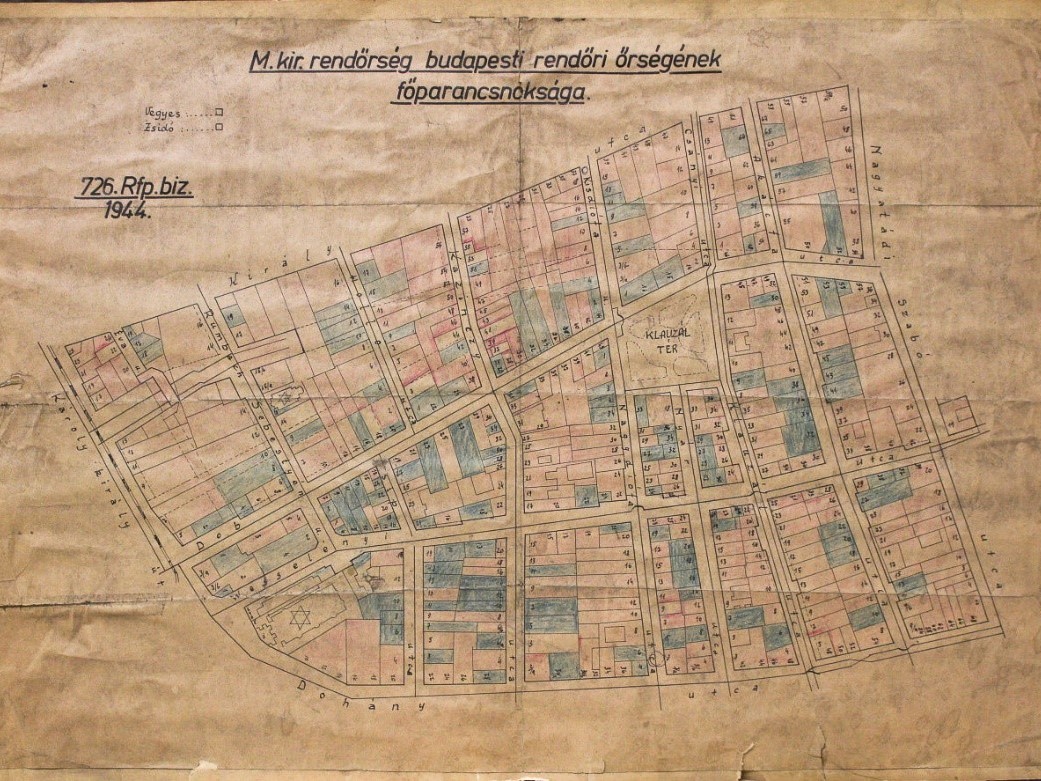
Ghetto and Liberation. Jews of Budapest at the End of the War
-
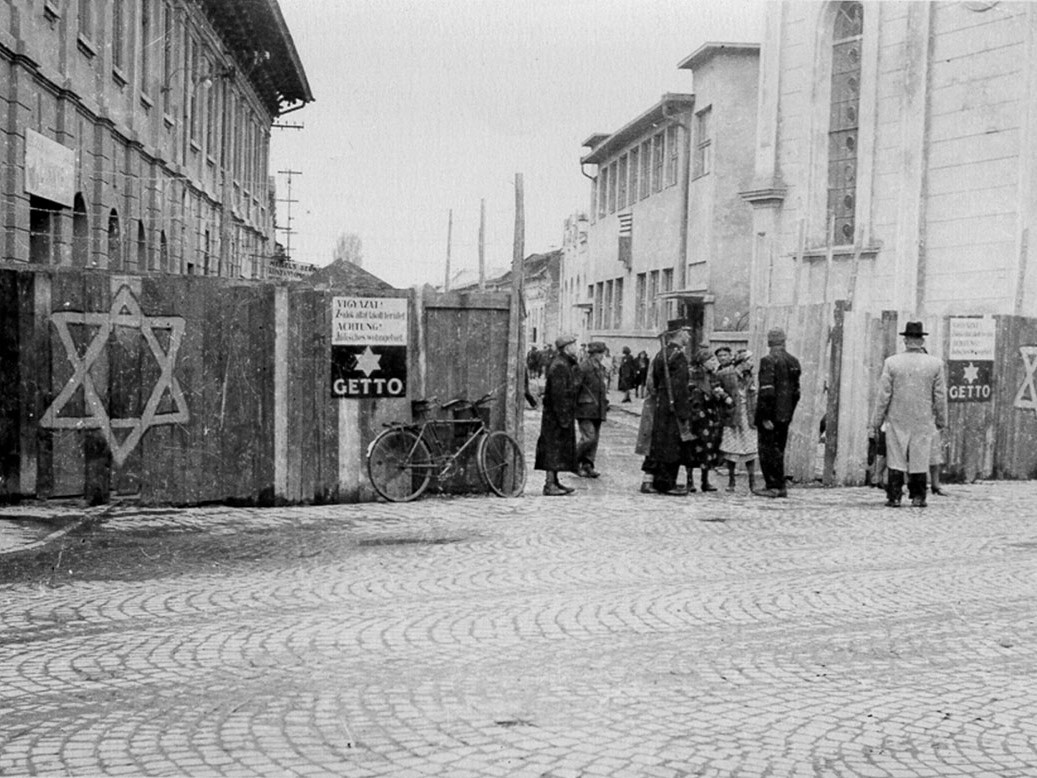
-
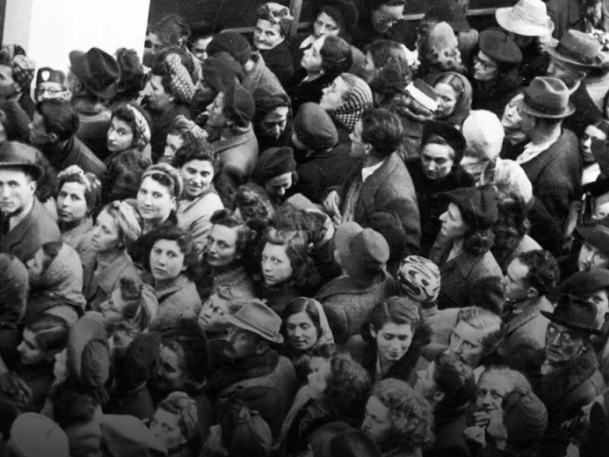
To Obey or Resist? Group and Individual Responses to Persecution in Budapest
-
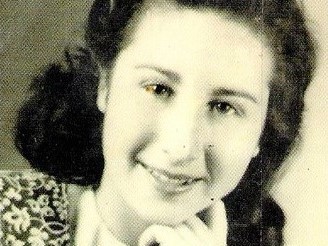
-
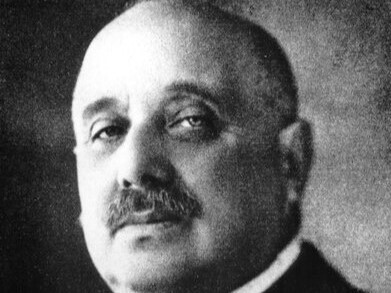
Fates in Budapest. The Founder of the Hungarian Pharmaceutical Industry: Gedeon Richter
-
-
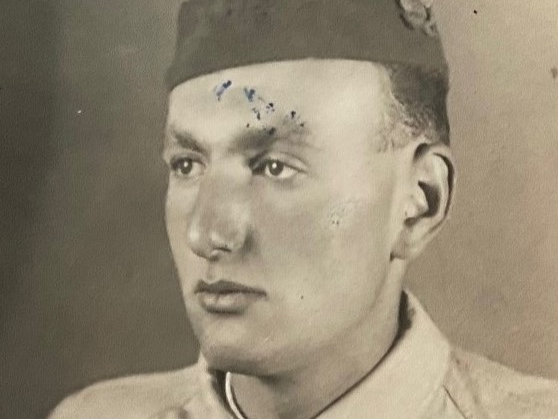
Fates in Budapest. The Rosenthal Saga: Forced Labor, Bergen-Belsen and the "Horror Train"