Fates in Budapest. The Rosenthal Saga: Forced Labor, Bergen-Belsen and the "Horror Train"
The journey of a Jewish family through Carpatho-Ruthenia and Budapest to Bergen-Belsen and the death train at Farsleben.
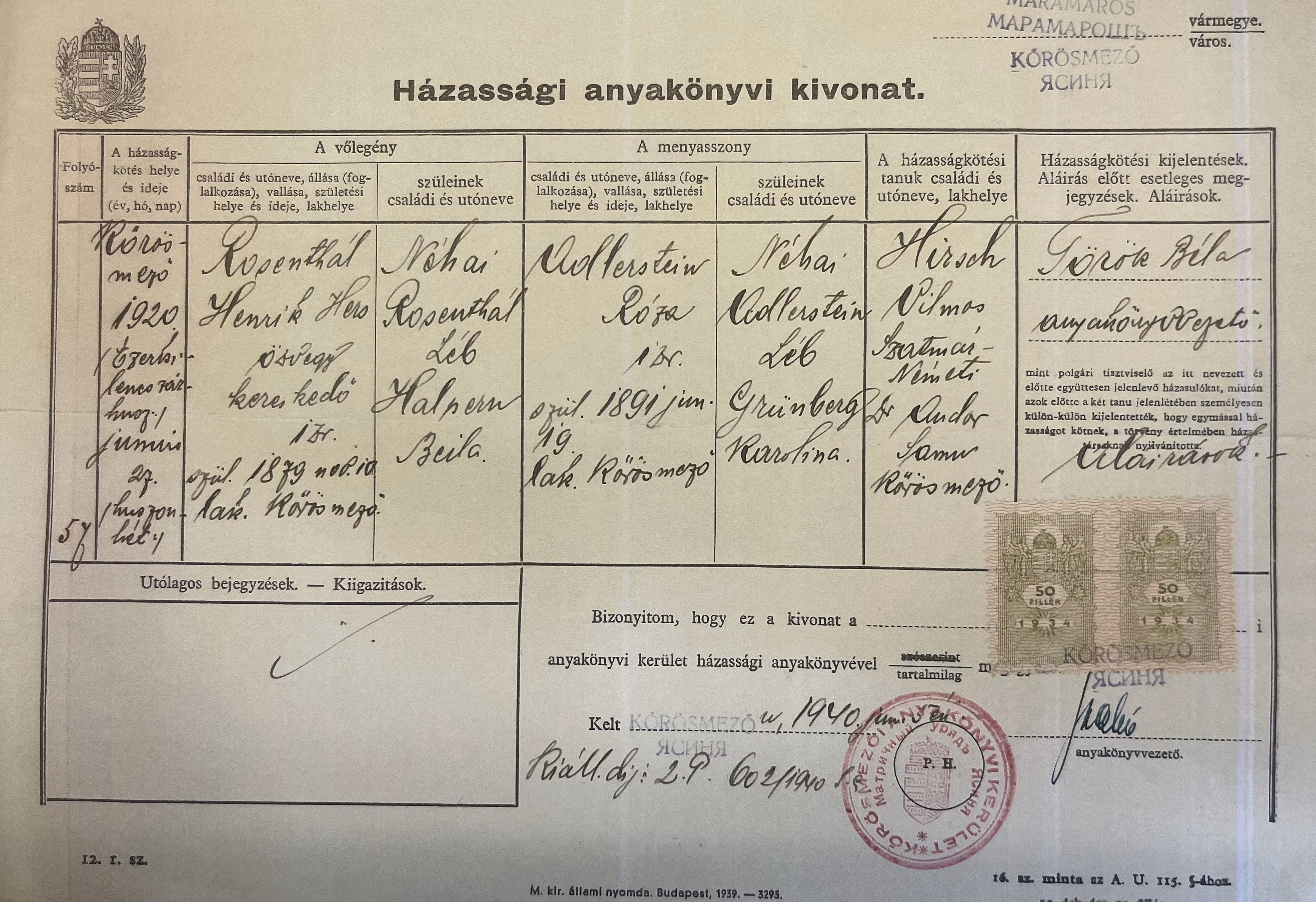
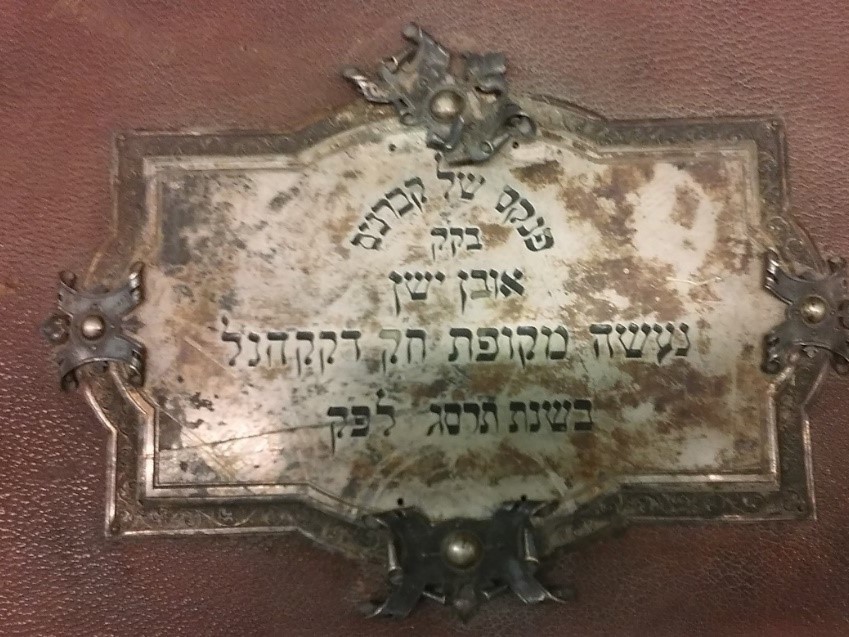
The Rosenthal family, Léb Rosenthal, his wife Beila Halpern, and their children originally lived in Kolomea, Galicia (today Kolomyia, Ukraine). One of the sons, Hersch, born in 1879, moved to Kőrösmező (today: Yasinya, Ukraine) in Hungary sometime in the early 20th century. He soon began to use the name Henrik instead of Hersch. He worked as a leather decorator, selling his products in a small shop. At the outbreak of the First World War, he was 35 years old and was called up as a soldier, but survived the front. But after his return home, everything in Kőrösmező was turned upside down.
With the defeat of the Austro-Hungarian Monarchy, the surrounding settlements proclaimed the Republic of Hutsul in early November 1918 and wanted to join Ukraine. To prevent this, Hungarian troops marched into Kőrösmező at the end of the year, but within weeks an uprising broke out against them and they were driven out. In the spring of 1919, during the period of the Communist Soviet Republic in Hungary, Romanian invasion troops arrived in the settlement, followed shortly afterwards by the Czechoslovak army. It was during this turbulent period that Henrik Rosenthal met a much younger local girl, Rosa Adlerstein, with whom he married. The new husband was then aged 40 and his wife 29.
Citizenship or death (1938-1941)
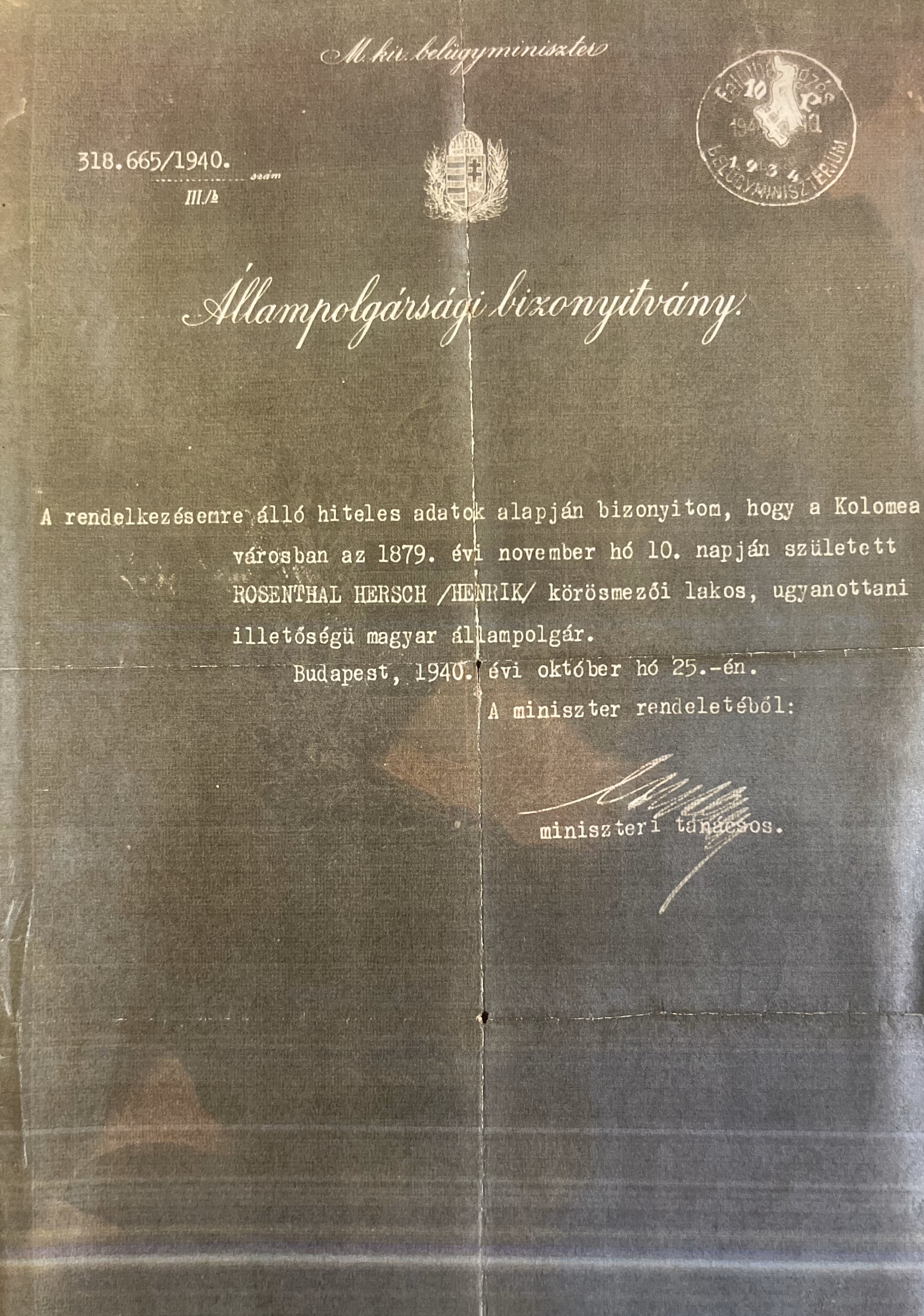
Leó was not yet 17 when he lost his mother, but there was not much time left to grieve. A few weeks later, Hitler invaded Austria and soon the death throes of Czechoslovakia began. In the autumn, Germany invaded the Sudetenland and Hungary invaded Southern Slovakia. Prague, to appease the discontent of the ethnically mixed eastern regions, granted autonomy to the remaining Carphato-Ruthenian territories, including Kőrösmező, under the name Podkarpatska Rus. In mid-March 1939, however, Hitler invaded Prague and Hungarian troops occupied Carpatho-Ruthenia. Instead of the collapsing democratic Czechoslovakia, Leó suddenly found himself in royal Hungary, which had already introduced two anti-Jewish laws.
Leó spoke several languages and dreamed of becoming a diplomat. However, in Hungary, antisemitic laws restricted the further education of Jews. Leó moved to Budapest with his father and tried his hand at the vegetable trade. With the outbreak of war, the widowed Henrik was worried that his son would be drafted, so he arranged with a professional acquaintance to take Leó on as an apprentice on paper. Although the boy was a bit clumsy, in 1941, he passed his apprenticeship with flying colors and was certified as a leatherworker.
Labor service 1942-1944
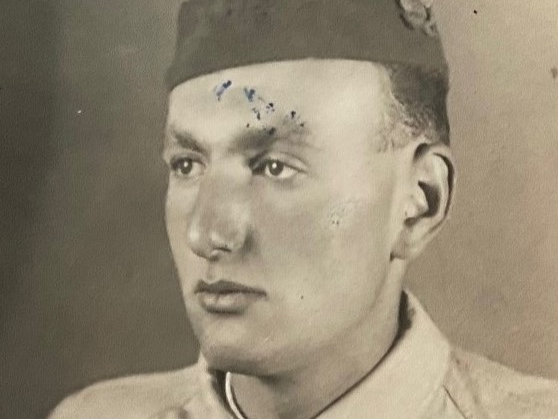
Henry's worries were not unfounded: the following year, Leó, 21, was called up for labor service. On 5 October 1942, he enlisted in the IX Labor Service Battalion in Galénta (today: Galanta, Slovakia). A fellow soldier, Gottlieb Andor, also 21 and also from Budapest, arrived at the same time. His recollection gives us an accurate picture of what awaited Leó and his comrades in Galánta. Their commander was a sadist named Mezei, who systematically beat them. When one of the Jewish boys fought back, he was arrested and sentenced to 7 years in prison. Mezei often ordered a night watch. “Then they chased us out into the courtyard, herded us all like animals, with sticks and rifles, made us lie there, ran along our backs, kicked our heads with boots... They did this several times. Each time they beat the labor servicemen lying on the ground with different tools. With wooden stretches, sticks, whatever they could get their hands on. On one occasion, Corporal Mezei beat the whole company with an expander, turning it round and round. The result of the night: many wounded and 2 dead. There was no inquiry into the matter, although we reported the incident."
But there was a greater threat to Leó and his comrades than beating and humiliation: from the autumn of 1942, several labor service units were sent to the Eastern Front from Galánta. Those serving in these units were soon swallowed up by the snowfields of the Don. Leó was among the lucky: instead of the Don Bend, on 18 December 1942, they were sent to the experimental station of the Military Technical Institute on Háros Island (today: Budapest XXII district).
For the next almost two years, they worked in the camp set up there. But what was it like to be a conscript on Háros Island? According to one survivor, in the summer of 1940 it must have been a pretty good unit, where "nothing special happened". By the autumn the situation had deteriorated: two other survivors said that “the food was lousy”, they lived in moldy barracks, visits from relatives were forbidden and the guards “beat them all the time”. According to a labor camp worker who arrived in Háros in 1941, pontoon bridges were built, the work was hard, and the treatment was poor.
By 1943, the situation had deteriorated further. 34-year-old Iván Fürst reported “inhuman suffering” and explicit sadism by the guards. They lived in stables, their hair was cut bald, and they toiled late into the night under military supervision. “They beat and kicked us for no reason. Ensigns Kállay and Branizsa, and Corporal Mike took their animal sadism and unbridled hatred of Jews freely out on us. On a Sunday afternoon, they allowed our relatives to visit. We chatted for a few minutes in an area separated by a wire fence, then we were ordered, in front of our mothers, wives and brothers, to crawl two hundred meters on all fours along the rocky and stony bank of the Danube."
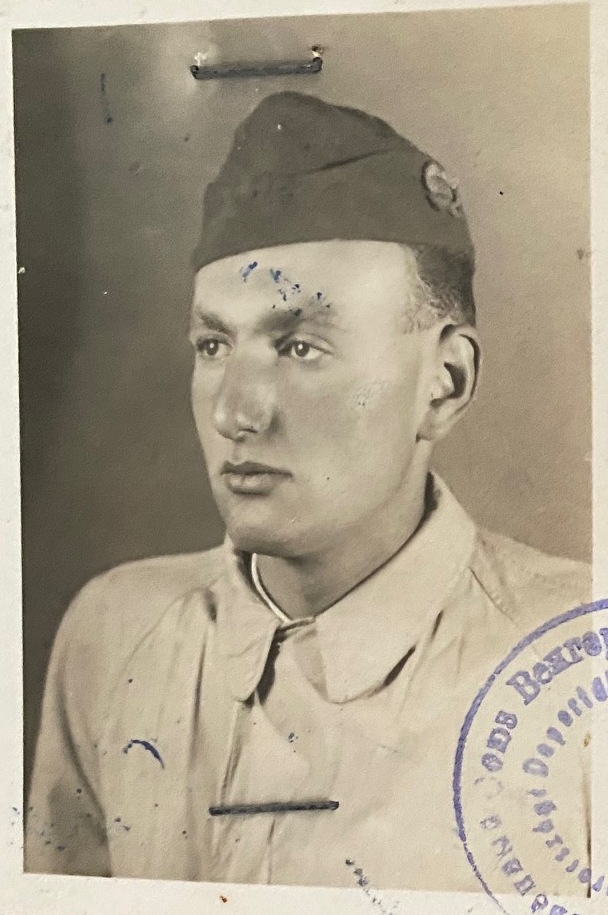
At that time, a new command staff arrived: Captain Majoros from Szolnok and Sergeant Major Lajosi from Törökbálint. Háros began to resemble a German concentration camp. The working time increased to 16-18 hours per day, but there were also times when the labor servicemen could sleep only an hour. The sick were not spared either, they were forced to work. There were constant beatings, Gottlieb was slapped by Lajosi. On his orders, in the summer of 1944, in the sweltering heat, 36 people were crammed into a small concrete garage with padlocks. There were no toilets, and they were not allowed to go to the toilet at night. Lajosi often told them at the morning wake-up call: “You will die, all of you, not a single Jew will survive, but I guarantee that your family will not survive either.” Beatings, punishments, and extra work accompanied by rabid antisemitic curses were the order of the day. The prisoners were looted entirely by the guards: under the pretext of an inspection, all the money, jewelry and garments were taken away, apart from a change of clothes. There was no leave, no visits, no letters or parcels, and they had to work on Sundays. When they were cleaning up the ruins of the bombed Keleti Railway Station, Lajosi ordered the Jews to shovel away the broken glass barefoot.
Of course, we know that not all labor companies became "mobile slaughterhouses" – as one survivor put it after the war. In fact, compared to the fate of 430,000 Hungarian Jews who were deported to Auschwitz during those months, labor service and Háros Island could still be a better alternative, a survival. Better indeed than deportation, the gas chamber, Dr. Mengele. But perhaps only that.
Marriage and conversion, spring-summer 1944
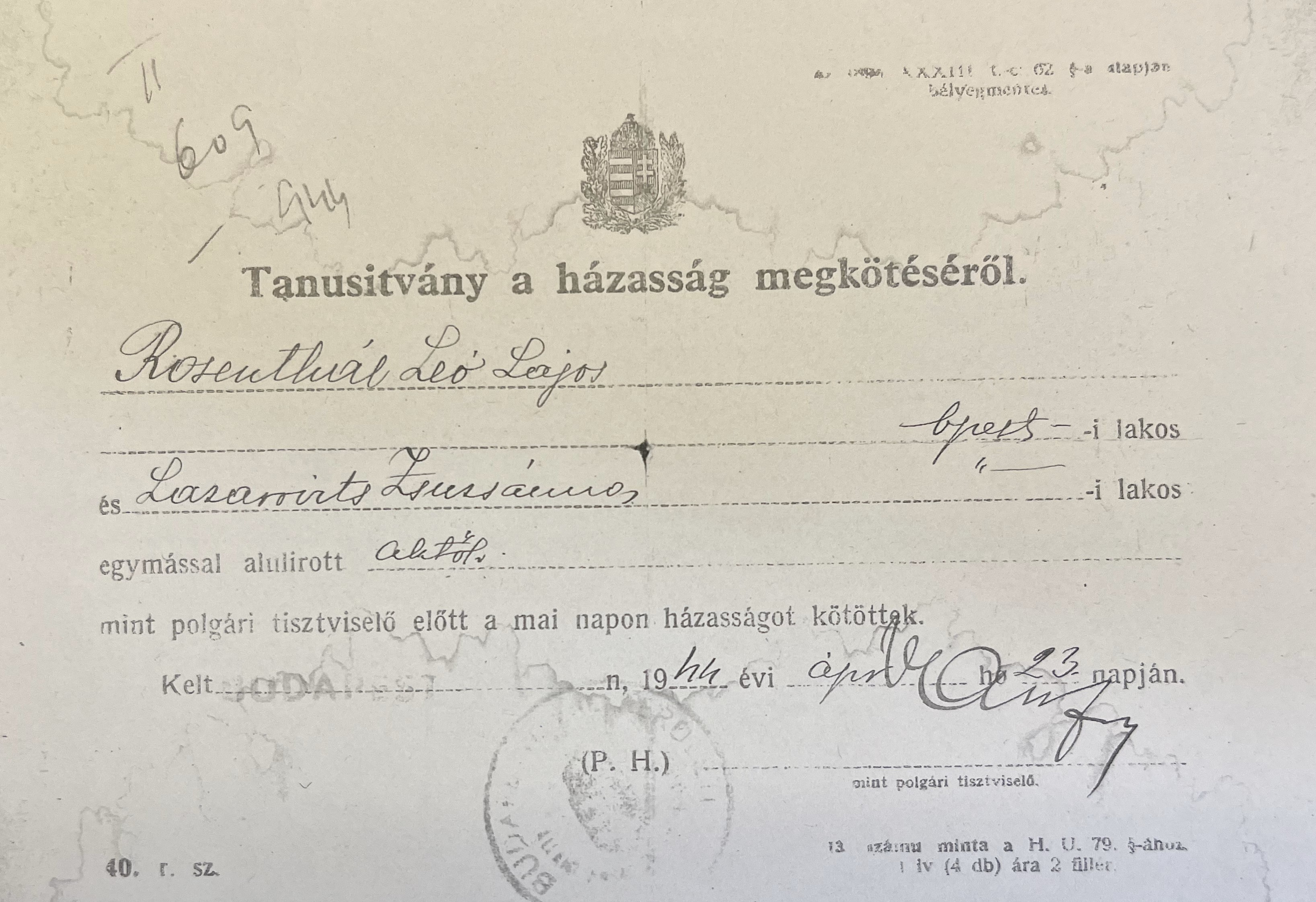
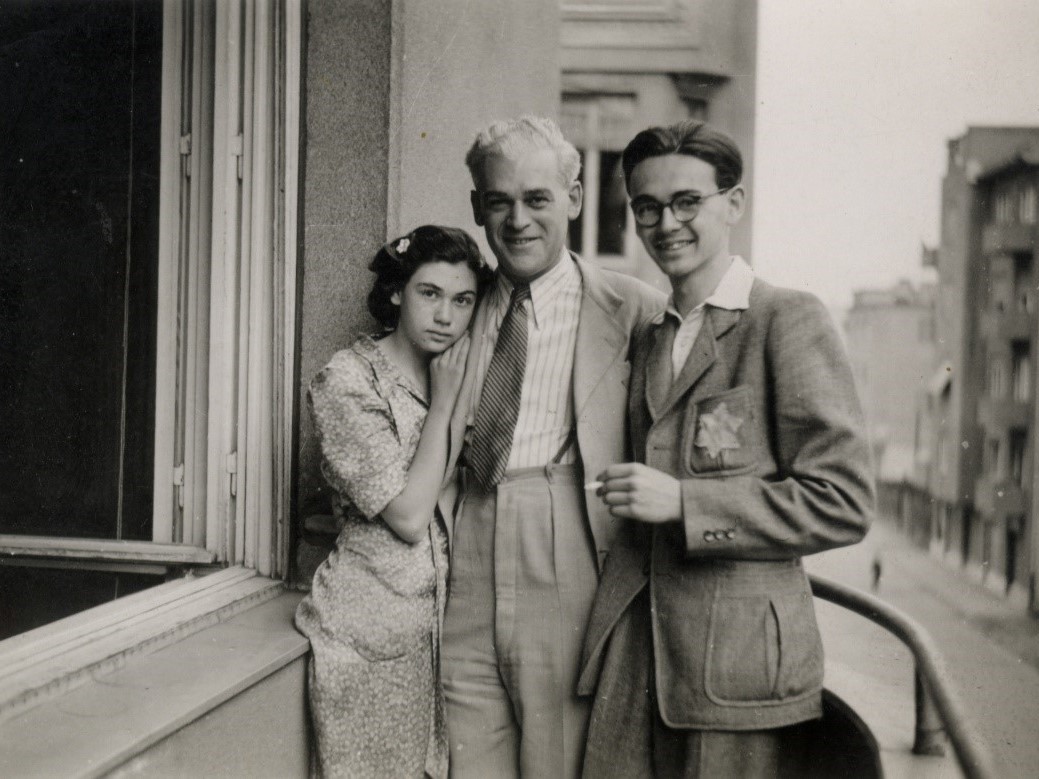
The German occupation, increasing anti-Jewish terror and ghettoization did not break Leó Rosenthal. He was already wearing a yellow star when he married his girlfriend, Zsuzsanna Lazarovits, on a leave of absence on 23 April 1944. The young husband was 23 at the time and his wife from Rakamaz was 20. But a honeymoon was not to come.
The Arrow Cross coup, autumn 1944
The news of the torture on Háros Island reached the Ministry of Defense thanks to the relatives of the labor servicemen. “At the intervention of our relatives, a committee from the Ministry of Defense came to investigate our situation"”, one of the survivors later recalled. As a result of this some labor servicemen were transferred to Budapest, others (e.g. Andor Gottlieb) to Esztergom.
On 15 October 1944, Horthy announced that Hungary would withdraw from the war. By the evening, the SS and the Arrow Cross had overthrownthe Regent, and he was replaced by Arrow Cross leader Ferenc Szálasi. That day, like many of his comrades, Leó Rosenthal escaped from the labor service, and for the next few weeks, he hid in the capital – most likely in the apartment of his wife's family at 6 Déry Street. In the meantime, Gottlieb had returned to Budapest with a labor service company under Swiss diplomatic protection. They worked for the Hungarian Railway Company at the Józsefváros Railway Station. They received no wages or food, and they ate what they could buy with their own money.
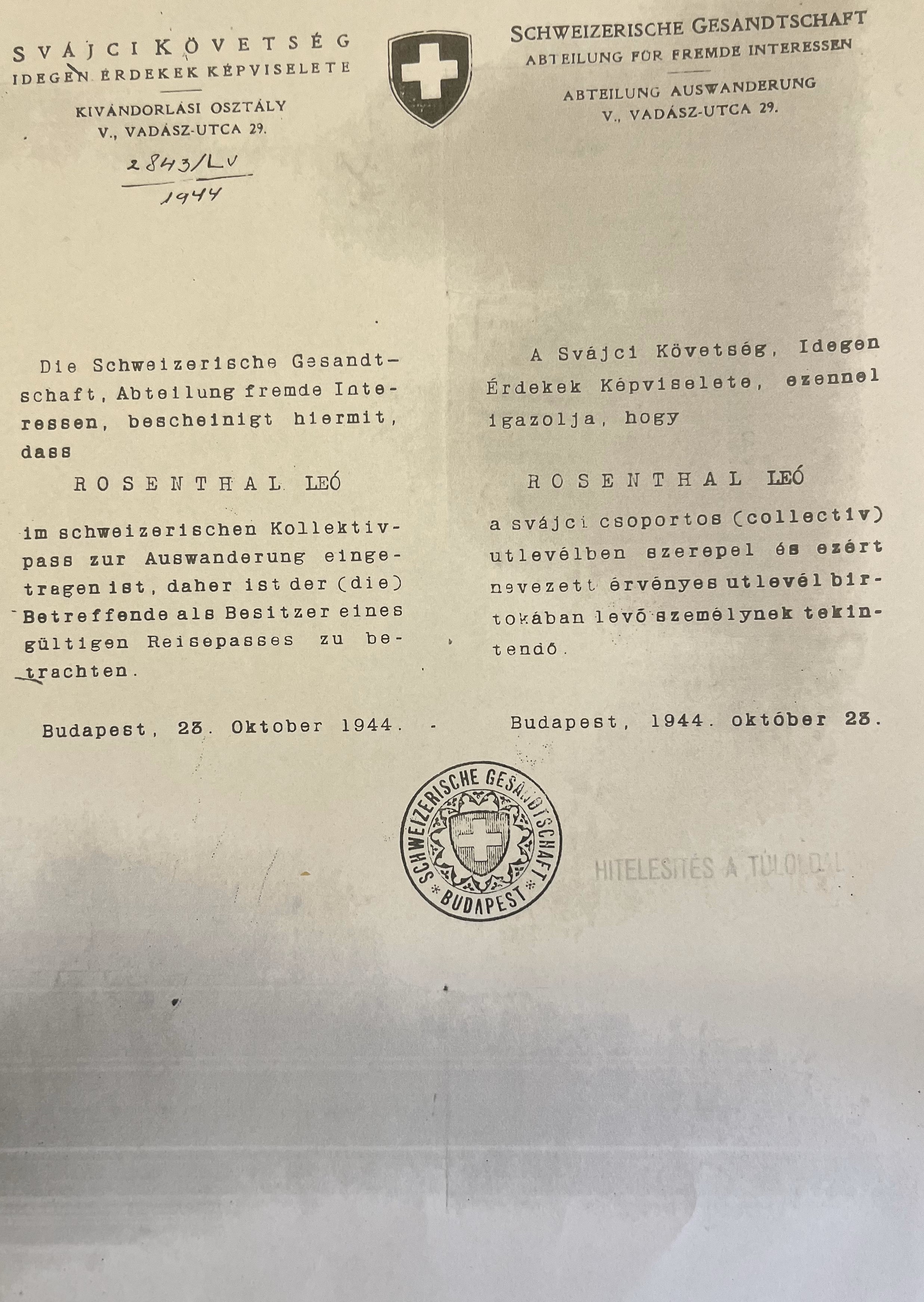
A protection certificate was issued on 23 October 1944 for Leó Rosenthal, according to which the holder of the document "is listed in a Swiss collective passport and is therefore considered to be in possession of a valid passport".
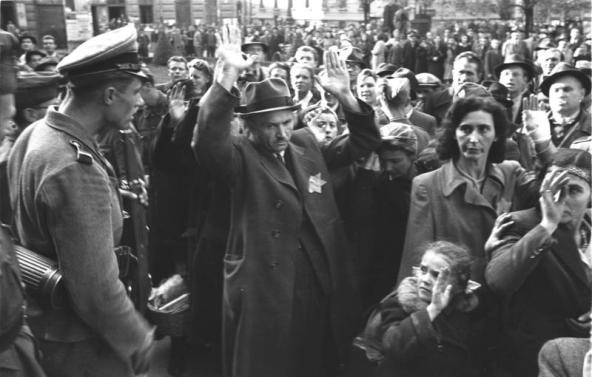
Jewish civilians and labor servicemen captured at various times and places were driven to the Józsefváros station by the Arrow Cross on 4 December 1944. Among them were Andor Gottlieb, János Weisz and Leó Rosenthal. At the station they were crammed into cattle cars and the doors were locked on them. The train stood on a siding for three whole days and then slowly moved off. But just as they reached Ferencváros station, a guard of gendarmes noticed that seven people had escaped. The train stopped, the men were forced out of the cars and beaten. "The gendarmes threatened to decimate the transport because of the escape," recalled Weisz, whose mouth was bleeding from the blow of one of the gendarmes. The fugitives were labor servicemen, and Leó appears to have been among them, but they were soon captured. The decimation was cancelled, and the Jews were loaded back into the cars. The train set off again.
How was the trip? Jews deported in the spring of 1944 usually arrived in Auschwitz-Birkenau in three days. In December 1944, this transport took longer to cover the less than 200 kilometers to Hegyeshalom. The windowless cattle cars were crammed with 70 people per car, a mixture of men and women. There was no food, but the guards sold food for huge sums: “A kilo of apples the gendarmes sold for 100 pengős, a loaf of bread also for 100 pengős, which we were happy to give, we were so hungry. I myself gave my shoes for 1 loaf of bread and about 10 decagrams of bacon. I also exchanged my blanket for 1 loaf of bread," recalls Gottlieb. In another car, Weisz and the others asked for water. "We bought a bottle of water from the Hungarian population in Ács for 50 or 100 pengős. It also happened that we had to pay in advance and the water was still not brought."
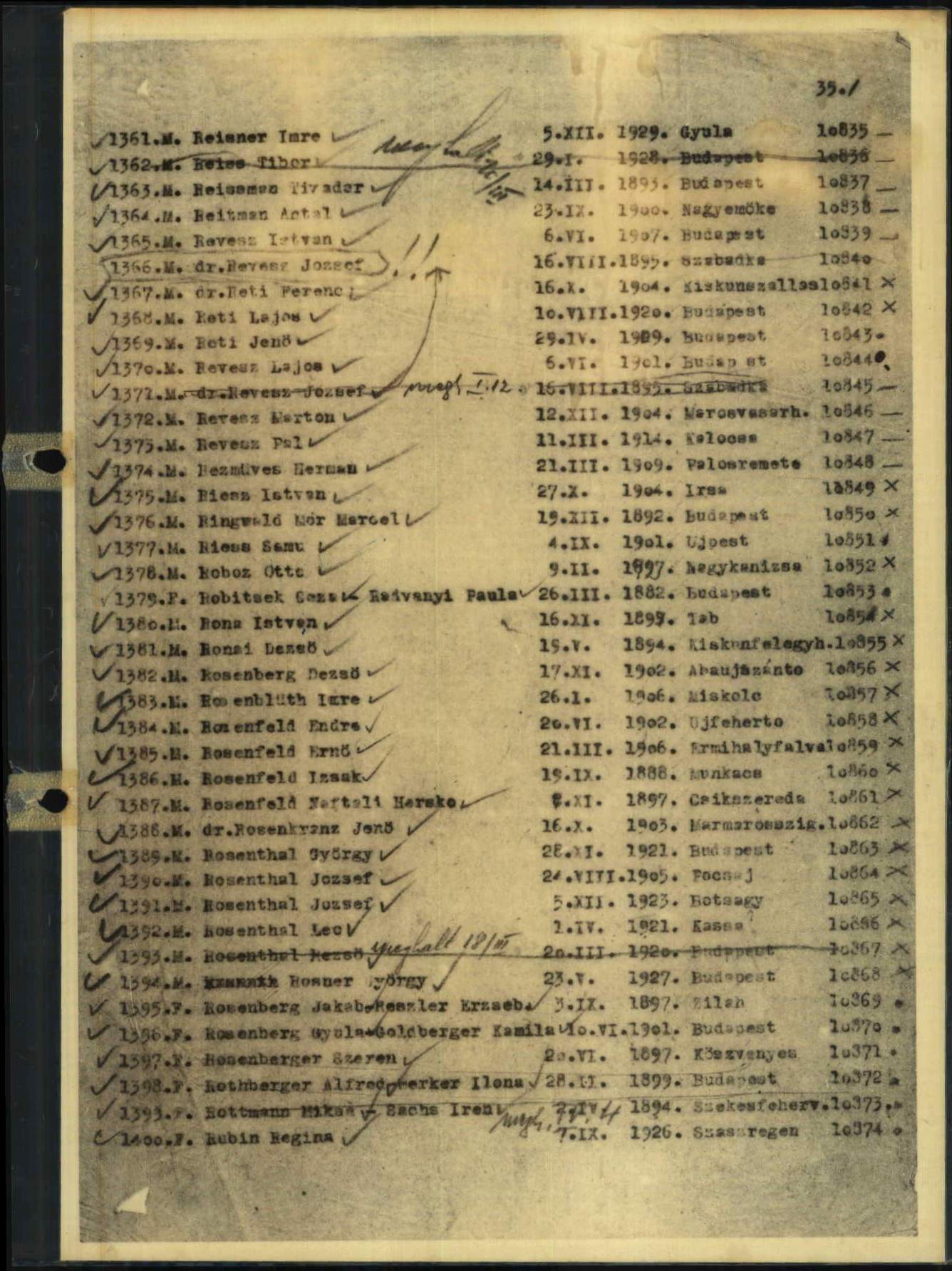
Rosenthal later learned that his wife, Zsuzsa Lazarovits, had also been deported from Budapest in December in a transport of 1,200 women. In a strange twist of fate, they were both deported to the same concentration camp, Bergen-Belsen.
KL Bergen-Belsen
The train probably arrived in Bergen-Belsen on 14 or 15 December. This camp had been in operation since 1943, initially as an insignificant internment camp where the SS had gathered a few thousand Jews, mostly foreign (US, South American and neutral European) citizens, to be exchanged for German prisoners. The “exchange Jews” lived in acceptable conditions compared to other camps in the Nazi camp world. Food was scarce, but sufficient to survive, the prisoners did not have to work, and families were allowed to stay together until curfew in the evenings. From the spring of 1944 onwards, multiple transports of sick prisoners arrived from other camps, and the camp increasingly became a “real” concentration camp.
By the time Rosenthal and his comrades arrived in mid-December, Bergen-Belsen had been taken over by SS Captain Josef Kramer, who had been in charge of murdering Hungarian Jews at Auschwitz-Birkenau. In addition, Kramer brought with him his cadres trained in Birkenau, and they took over the leading positions. Among them were his deputy, the new camp chief physician, and most of the female and male SS supervisors. With this, terror on a scale hitherto unknown in Bergen-Belsen also arrived.
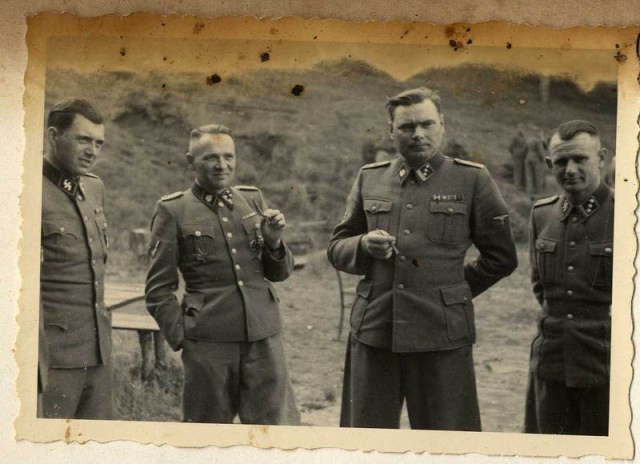
The infrastructure simply could not cope with this overload: there were not enough barracks, and thousands of people were living in tents. In one sector, there were the same number of latrines for 25,000 people as it was for 2,500 before. Bathing and disinfecting the prisoners became impossible, and food was often not available for days. Overcrowding led to the largest typhus epidemic in the history of the Holocaust. The death toll rose to staggering levels. While in 1944 an average of 250 people died every month, by January 1945 the death toll had risen to 1,100, 6,400 in February and 18,168 in March. By March, the crematoria could not cope with the overload and shut down, leaving corpses lying all over the camp. Rudolf Höss, a former Auschwitz commandant who visited the camp after hearing of the disastrous conditions, said afterwards: “I have to say that the conditions were terrible, even for me, although I had got used to many things in Auschwitz”.
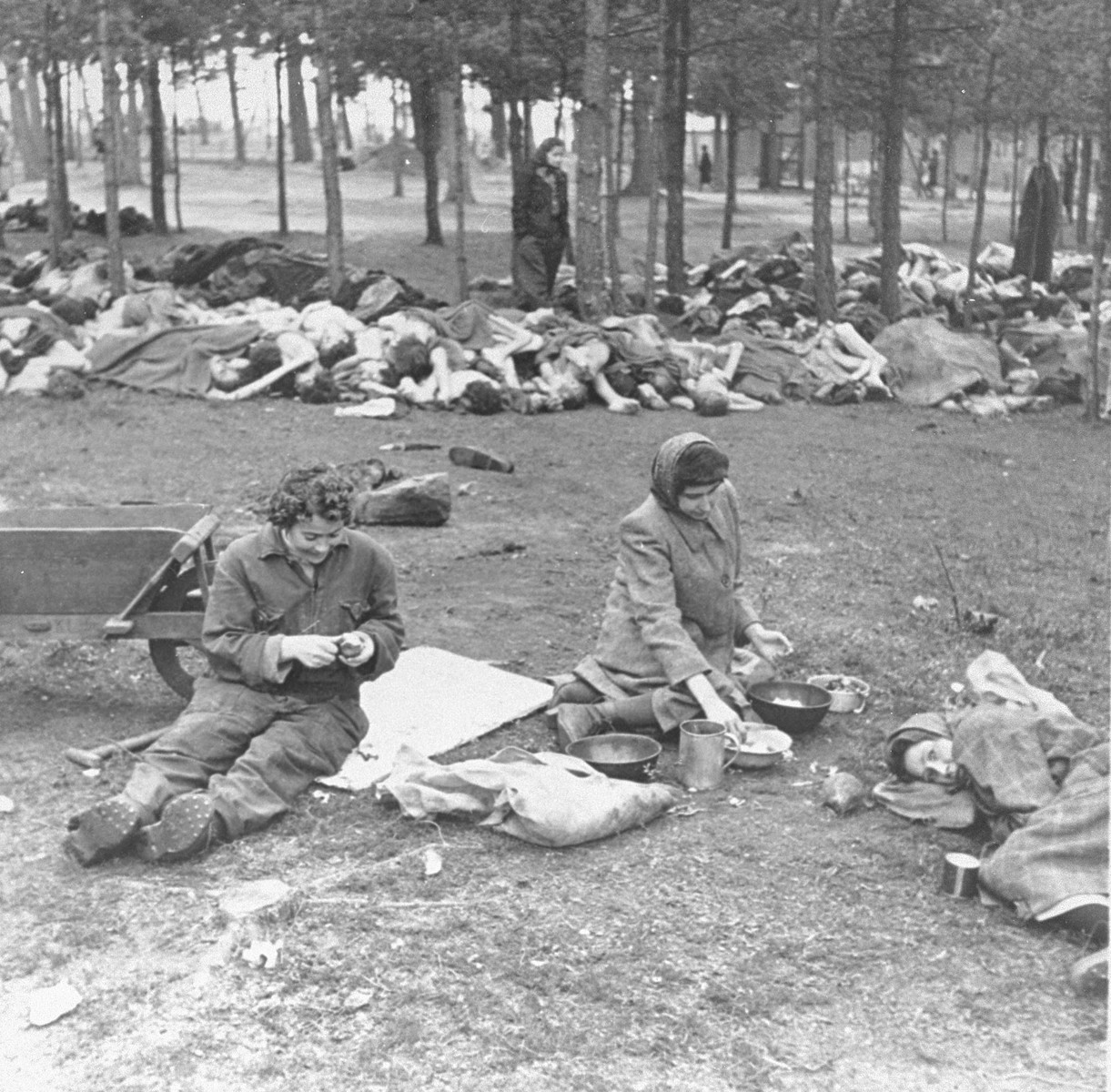
Gottlieb's recollection also refers to this: “Our camp was in relatively better condition than the others, but we still had 10-15 dead a day. In the camp next door, children aged 14-16 were treated as cruelly as possible. They were put out in the yard in the winter, in the backyard, they had to sit down there. The barracks were wired up... so that no one could get into the barracks and they were not given any food except water and carrot juice, they were left sitting outside without food..."
Gottlieb described in detail both the brutal treatment and the steadily deteriorating conditions: “In the mornings the Oberscharführer (ca. sergeant-major) came in and kicked the sitting hӓftlings (prisoners), who were practically unconscious from hunger, in the head, and whoever fell backwards from their seat was pronounced dead and taken to the crematorium, even if they were alive. The dead were lying at a height of about a storey in the last days ... The dead were dragged out of the camps with butcher's hooks hitched through their thighs. On the cars, the corpses lay naked, piled on top of each other, 40 to 50 of them on top of each other, constantly falling off the carts during the journey, followed by 2 prisoners, who constantly threw the corpses back and carried them to the crematorium. They did this in front of the children, which was a horrible and terrible sight even for an adult." When 14 to16 years old Budapest children escaped through the fence opening to steal carrots, the SS shot them without hesitation.
Another comrade of Rosenthal, János Weisz, recalled, "I spent the winter in thin shoes and clothes. We stood in line for three or four hours without coats. If we stole a carrot, we were thrown into the water as punishment."
"Horror train" and liberation
In April 1945, the roll calls in Bergen-Belsen stopped. Water was cut off on the 7th. The prisoners, half mad with hunger, began to eat the corpses. As the British army approached, the SS began evacuating the Ungarnlager. The survivors were crammed onto a train. There were about 2,500 of them, 70 to 80 per carriage. At the station, the starving prisoners stole raw beetroot, which later gave them diarrhea. According to Gottlieb, the SS distributed seven days' rations: “one and a half kilos of bread per person, 20 decagrams of margarine and a very small quantity of tinned meat”.
The train was probably headed for the Theresienstadt ghetto in Czechia. It was moving very slowly due to the bombing. On 12 April, it reached Farsleben near Magdeburg and then stopped in a bend in the open track.
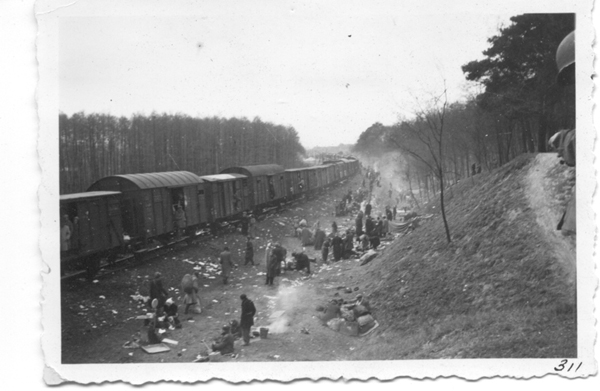
The prisoners soon started to pry open the door and climb out. Some of them, wandering around the area looking for food, stumbled upon tanks belonging to the 743rd Tank Battalion of the 30th US Infantry Division and led the soldiers to the train. Seeing the two US tanks in the lead, the remaining guards fled and the US troops took control of the train without firing a shot. The liberators were led by Major Clarence Benjamin. He had a camera on him and captured the first moments.
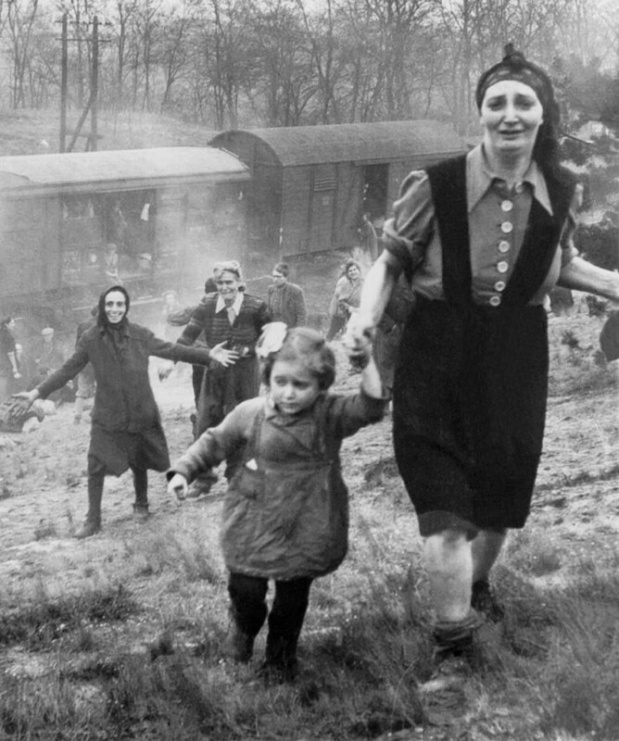
Andor Gottlieb, János Weisz and Leó Rosenthal were among the survivors. Gottlieb contracted typhus, with a fever of 41 degrees. The young man, who once weighed 78 kilos, now weighed 45. Weisz barely had enough strength left to climb out from underneath a fellow prisoner’s dead body. The Americans requisitioned food for the starving in the surrounding German villages. For the next few weeks, they took care of the survivors. "We were living on American rations and in a short time I gained back the 30 kg I had lost in weight," Weisz later recalled. Gottlieb also said "we were treated very well".
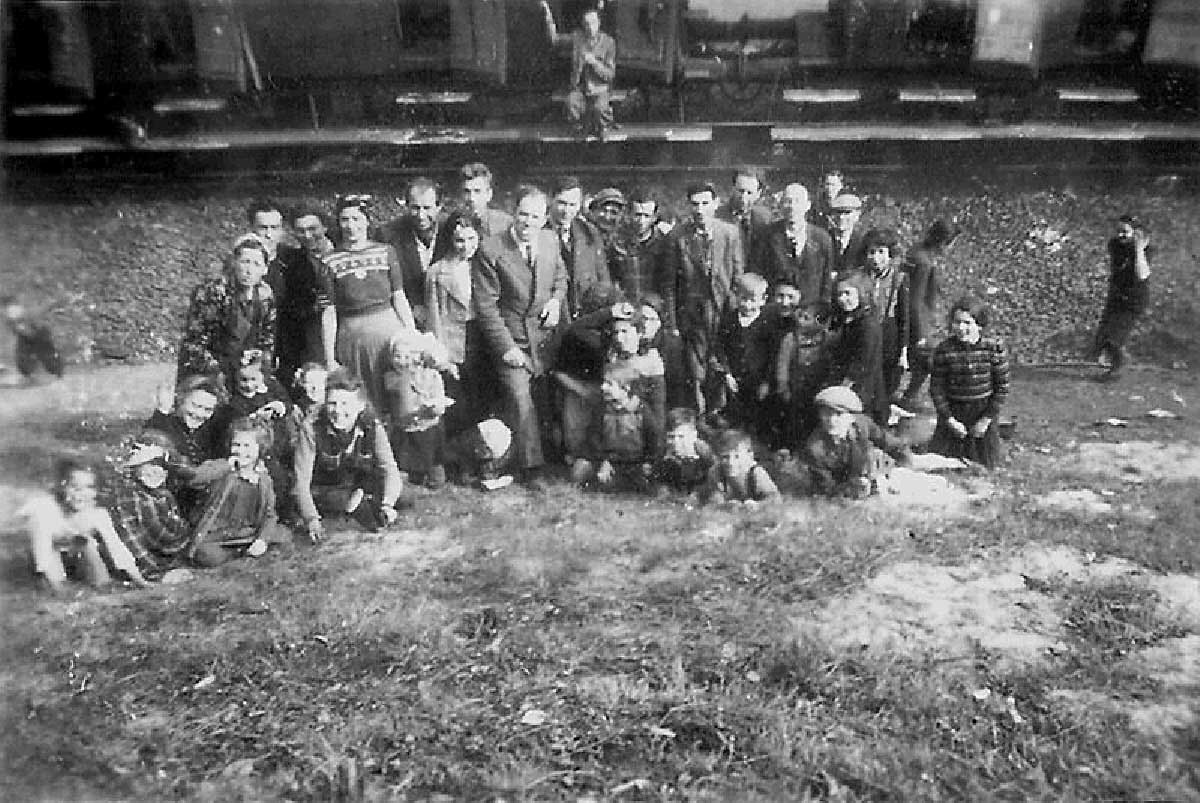
Leó Rosenthal learned of his wife's deportation after liberation. In a later note, he wrote that Zsuzsanna Lazarovits was imprisoned in Barrack 206 in Bergen-Belsen and was killed shortly before liberation, sometime in April 1945, when the building was set on fire. Other documents record the date of death as 15 May 1945, after the liberation of the camp. Whatever happened, he never saw his wife again, with whom he was only allowed to spend a few weeks at most.
According to a certificate, he had already undergone compulsory disinfection on 11 June. In the capital, he applied to the Jewish relief organization DEGOB (National Committee for the Care of Deportees) for documents, but unlike János Weisz and Andor Gottlieb, for some reason, he did not put his story on record. On 19 March 1944, he was still Leó Rosenthal, an unmarried Jewish labor serviceman of the Israelite faith. Just a year later, in the summer of 1945, he was called Lajos Rajna, a survivor of Bergen-Belsen, a Greek Catholic and a 24-year-old widower.
Lajos Rajna remarried in 1947, marrying Magdolna Kránitz, who was born in Budapest. They had a son, who is a renowned neurologist and psychiatrist. One of Lajos’s grandsons became an Oscar-winning film producer.
-
-
-
-
Budapest, Paris, Auschwitz. Budapest Jews and the Holocaust in France
-
Invasion, Police Raids, Internment. The German Occupation and the Budapest Jews
-
-
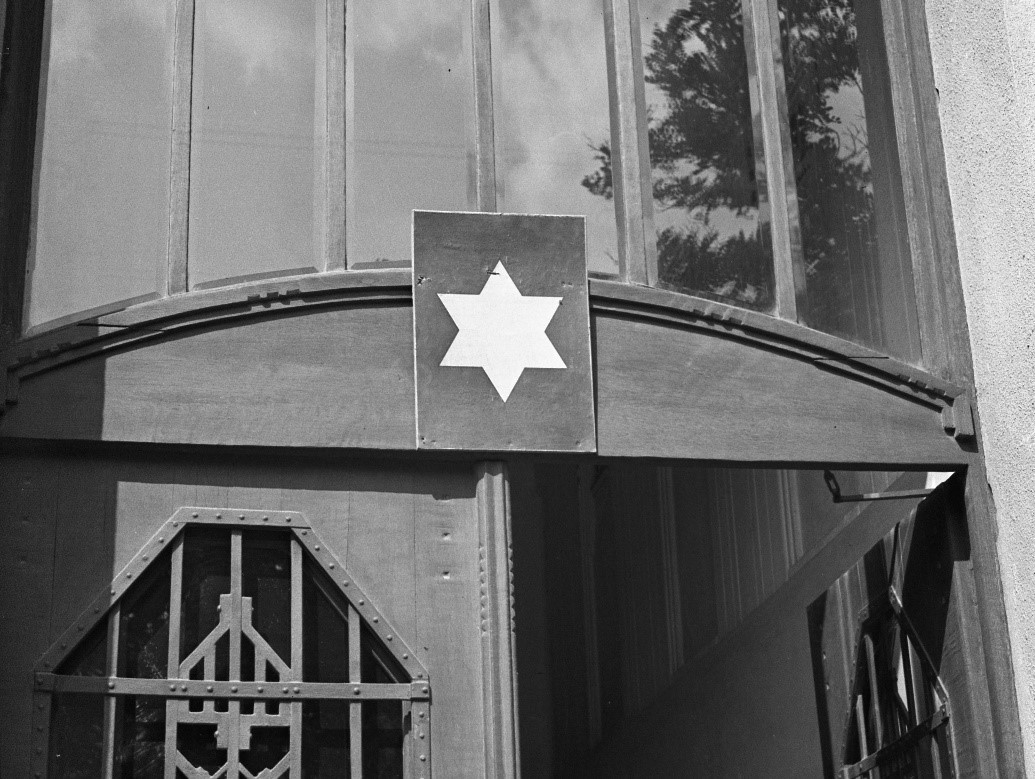
Star-Marked City. The First Ghettoization of the Budapest Jews
-
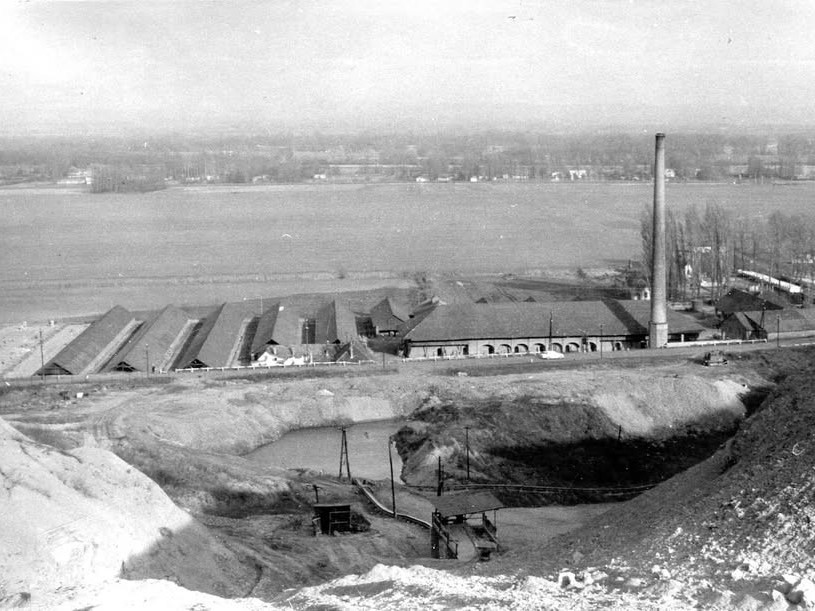
-
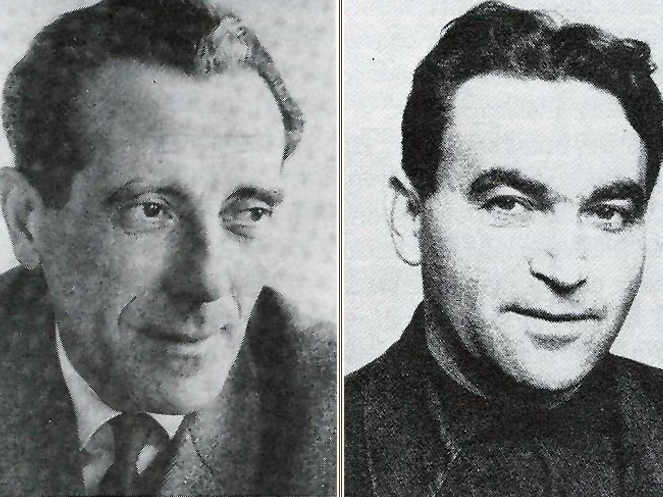
"In Poland, Jews are being gassed and burned." The Suspension of the Deportations
-
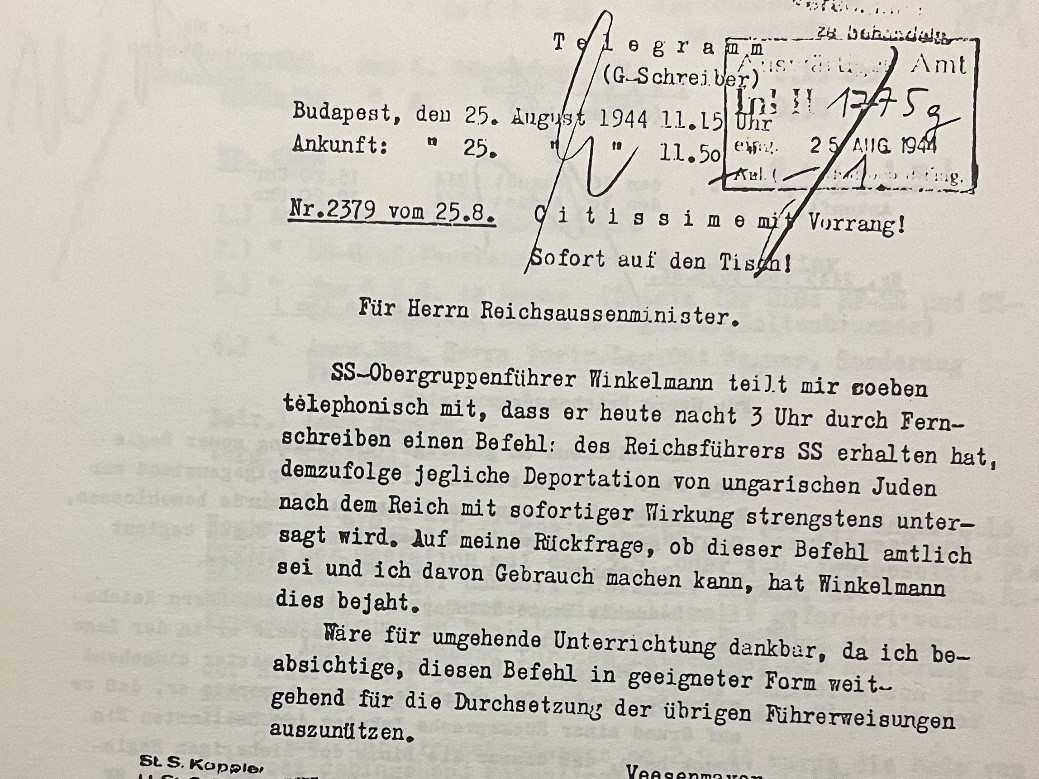
Chips on the Poker Table. The Fate of the Budapest Jews in August 1944
-
“They are being killed with gas and burned.” What did the Budapest Jews know and what could they do?
-
Großaktion Budapest. How would the Jews of Budapest have been Deported?
-
“The Danube was Red with Jewish Blood.” Arrow Cross Murders in Budapest
-
-
Death March, Brick Factory, Slave Labor. The Budapest Deportations in Late 1944
-
Ghetto and Liberation. Jews of Budapest at the End of the War
-
-
To Obey or Resist? Group and Individual Responses to Persecution in Budapest
-
-
Fates in Budapest. The Founder of the Hungarian Pharmaceutical Industry: Gedeon Richter
-
-
Fates in Budapest. The Rosenthal Saga: Forced Labor, Bergen-Belsen and the "Horror Train"