Death March, Brick Factory, Slave Labor. The Budapest Deportations in Late 1944
The months following the Arrow Cross takeover on 15 October 1944 were the darkest chapter in the history of Budapest's Jewish community. The country’s new rulers murdered thousands of people in the capital and deported tens of thousands to the western border and German concentration camps.
On 16 October, the yellow-star houseswere closed for several days. The Jews were not allowed to leave them for any reason. The Arrow Cross guards did not allow any food or medical personnel into the houses. First Eichmannand Gábor Vajna, the Arrow Cross Minister of the Interior, and a few days later German plenipotentiary Edmund Veesenmayer and Ferenc Szálasi, the new leader of Hungary, concluded an agreement on the “transfer of labor force”, i.e. the resuming of deportations. This applied not only to the Jews in the capital but also to the labor service companies stationed in other parts of the country.
The resumption of the deportations and the Óbuda brick factory
The following day, the government issued an order conscripting Jewish men aged 16 to 60 and women aged 16 to 40 for “national defense service”. Within days, 25,000 men and 10,000 women were taken, initially to work on fortifications around Budapest. (These groups were called “trench-digging companies”.) However, the Arrow Cross disregarded their own regulations: among those seized were many elderly men, young boys, the ill and infirm, and pregnant women. In early November, as Hungarian and German units retreated into the capital to escape the advancing Soviet forces, the chaos of the withdrawal gave way to mass executions of Jewish prisoners. Corpses lined the roadside through Kispest, and at dawn on 3 November, 60 men unable to continue the march were executed and thrown into grenade pits in Pestszentimre.
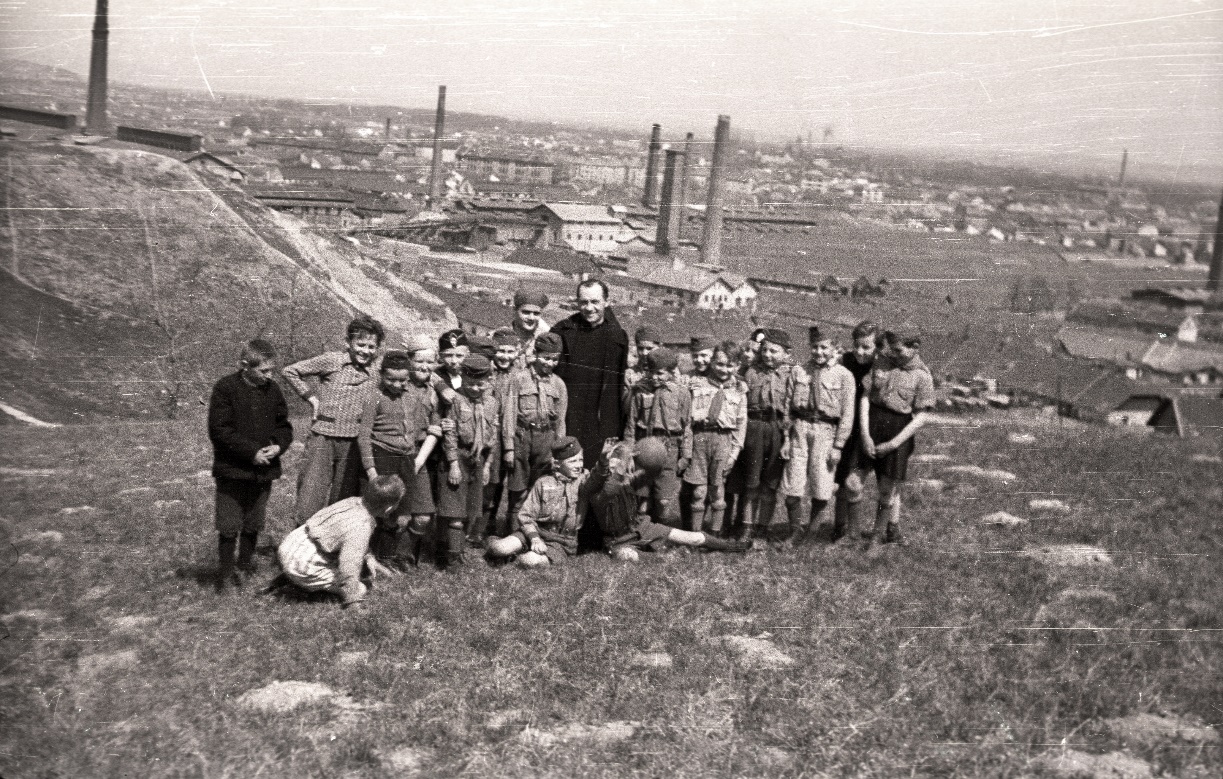
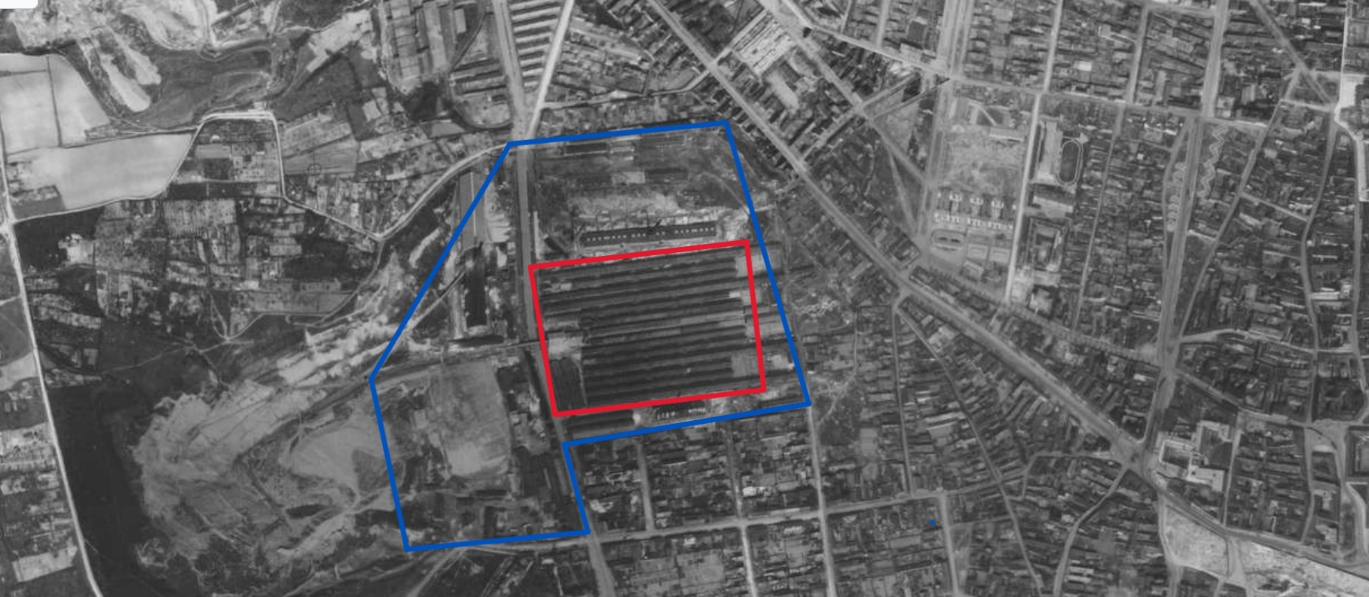
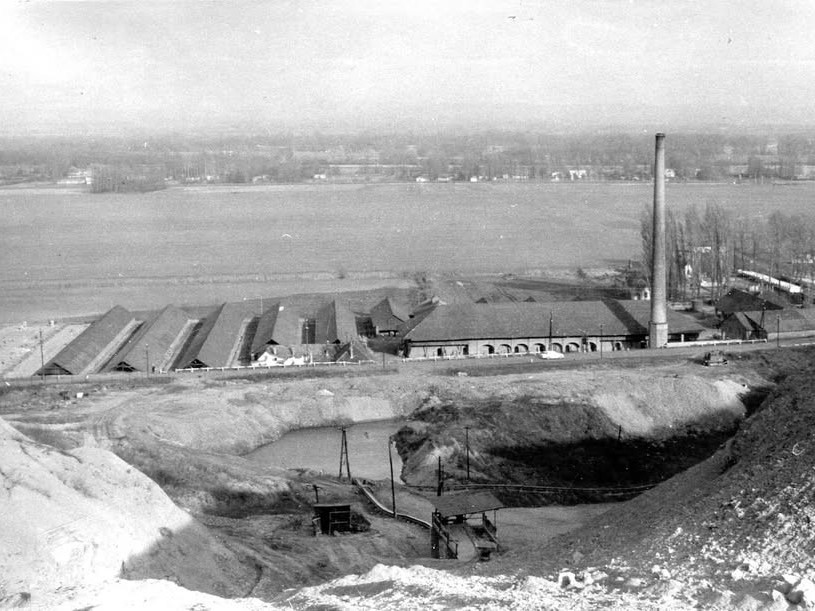
On 6 November, the deportation to Germany of some of the trench-digging companies and thousands of others arrested in the yellow-star houses commenced. The main concentration center was at the Nagybátony-Újlak brickworks in Óbuda. The guards were Arrow Cross gunmen and policemen, the latter commanded by András Szentandrás(s)y. The Jews spent two or three days here in the cold November weather, either in the open air or in the brick kilns. There was no food supply at all. The Arrow Cross plundered and beat their victims. Mrs. Lajos Meisel was taken to the brickworks with thousands of others around 10 November. “We were squeezed together, we could only sit, and even then we could only curl up. Outside, the rain was falling inconsolably, and more and more groups arrived at the brickworks in endless queues. Leaving a narrow path in the middle, there the Arrow Crossers walked up and down, taking the flashlight of anyone they saw, shouting and shooting into the air. Anyone who wanted to use the toilet had to line up at the door, and from there, they would lead people out into the courtyard in groups of hundreds. They had to go in front of everyone, including the Arrow Cross men, who laughed and made rude remarks. When the people then came in again, they could not find their place in the terrible darkness and confusion." Several people were shot dead. Obeying the pressure of the crowd, a partition wall came down and bludgeoned some prisoners to death. No wonder many collapsed and committed suicide by hanging themselves or ingesting cyanide. The guards refused to let the ambulances take the poisoned victims, who, according to Mrs. Meisel’s recollections, breathed their last "foaming at the mouth, blue in the face".
Death marches
From the brick factory in Óbuda and other locations in the capital, the Arrow Cross authorities sent Jews on foot to Germany. Because of the destruction in the railway infrastructure caused by Allied air raids, the Nazis and the Arrow Cross had insufficient railway capacity, so Jews were marched on the road to the western border. These were called death marches for a reason. Jews from the capital were forced along the Budapest–Győr–Hegyeshalom route, while the labor service companies were driven westward, either north or south of this line. A column was scheduled to reach the German (Austrian) border in 8 days. Although the authorities were supposed to provide supplies along the way, this was mostly not done. Those incapable of walking and those who tried to escape were executed.
The deportees were compelled to march 25–30 kilometers per day with almost no provisions. Their overnight shelters were usually uninhabitable for humans—barges, animal markets, or open sports fields. The guards showed no mercy: the sick and disabled were routinely shot. As Éva Spira recalled, “Jews could not walk and threw away their belongings one after another. There were even corpses lying by the roadside.” Ignác Blasberg, who was over fifty at the time recalled “on the way, I was beaten by the Arrow Cross […] many were robbed and shot to death. The bodies of Jewish women and men were lying all along the Vienna highway.” Two staff members from the Swedish Embassy painted a similarly harrowing picture: “At Hegyeshalom, we found the deportees in the worst possible condition. The endlessly grueling walk, the almost total lack of food […] the fact that they were entirely at the mercy of brutal guards who could do practically anything to them—from spitting in their faces to slapping, beating, or shooting them—left the marks of these horrors on the unfortunate victims.”
By the time a death march reached Hegyeshalom, the surviving deportees usually had no strength left, even though fortification work and a concentration camp awaited them. Between 50,000 and 70,000 Budapest Jews and labor servicemen were driven under these conditions to the western border. During the death marches, members of the diplomatic corps of neutral countries, employees of the papal delegation and members of Zionist groupscarried out considerable rescue work. They followed the columns, equipped with real and fake, anonymous and blank protection documents, and used various pretexts to get as many people as possible out of the line.
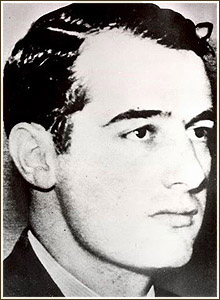
Representatives of neutral countries and the Vatican protested to the government about the inhumanity of the death marches. This played a major role in the Arrow Cross authorities gradually halting the marches a few weeks after they had begun, and starting ghettoization of Jews who remained in the capital. At the end of November, a last wave of large-scale deportations took place when the labor service companies protected by the neutral states were packed into railway cars at the Józsefváros Railway Station by gendarmes and sent to the western border. Raoul Wallenberg, a Swedish diplomat who saved the lives of many Jews, was able to get many of them out of the station at the last minute, but hundreds were still deported by the Arrow Cross. The last deportation in the capital (a foot march) started on 11 December, when 1,200 prisoners from an internment campin Budapest were driven west.
The Southeast Wall
The deported Jews were to be used by the German military command for fortifications on the western border of Hungary and in Austria. As early as the summer of 1944, the German military command envisioned an extensive defensive line stretching from Vienna to Zagreb, intended to absorb the anticipated Soviet advance. By autumn, a more modest version of this plan—the so-called Southeast Wall—was set in motion. Construction began south of Bratislava and extended through Hungarian territory. Initially, local civilians in Hungary and Austria were tasked with the work, but widespread demoralization and the hope for a swift end to the war led many to avoid their duties. In response, the Arrow Cross government handed over tens of thousands of Jews, along with Eastern forced laborers and prisoners of war, to toil under inhumane conditions on what eventually proved to be a militarily futile project: in early April 1945, Soviet forces broke through the fortifications in a matter of days.
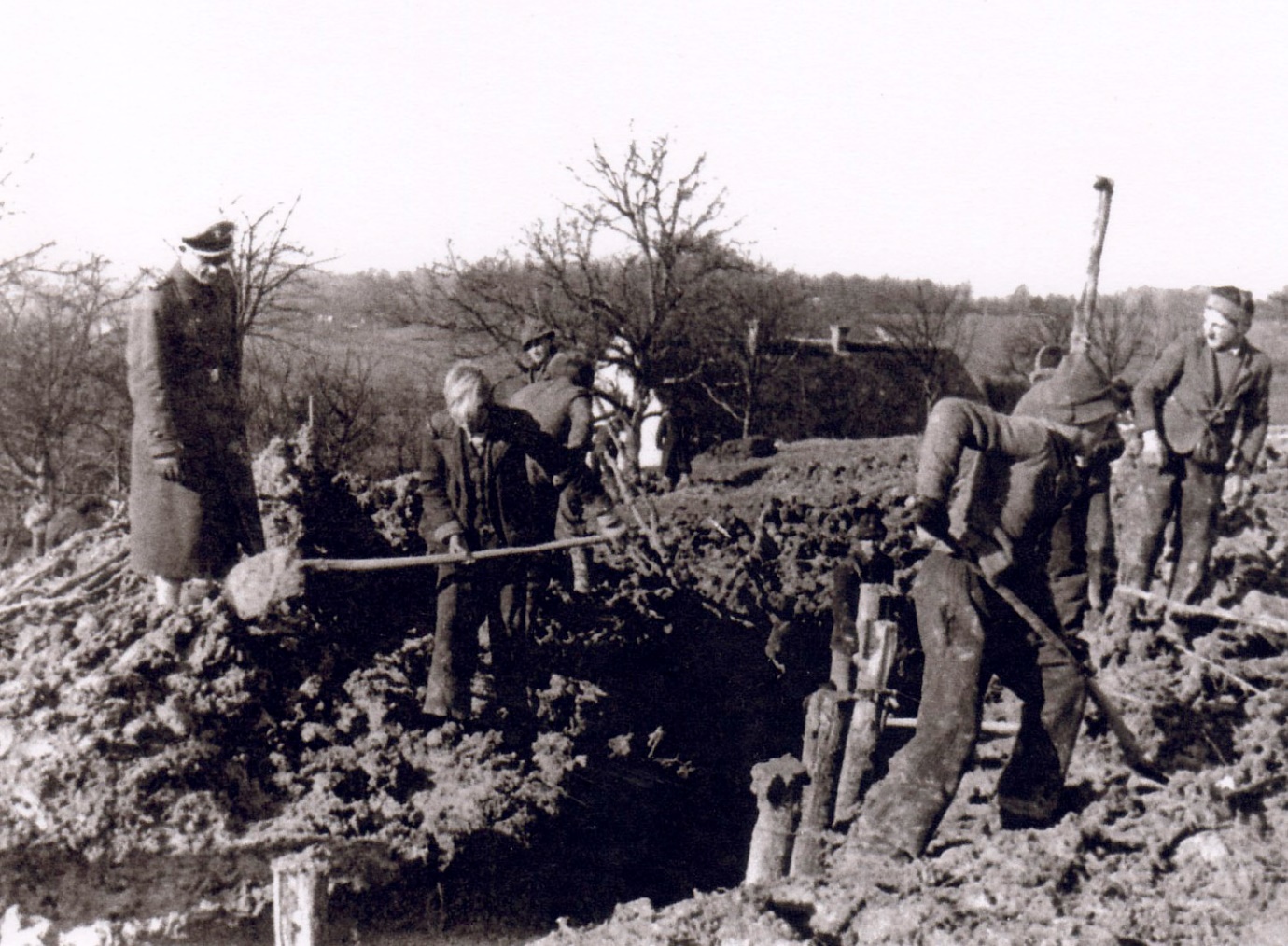
In the final days of March 1945, as Soviet troops advanced, the forced labor camps along the entire length of the fortification line were evacuated. In the last hours before retreating, guards frequently executed sick Jews who were unable to walk. More than 100 people were murdered in the village of Pozsonyliget, 185 in Balf, and 250 in Nagycenk. The surviving victims of six months of brutal slave labor were deported to concentration camps in Germany, primarily to Mauthausen and its subcamps.
In the final months of the war, many Jews were murdered not only along the border, but also throughout other areas of Western Hungary controlled by German and Hungarian forces. The victims were typically forced laborers or individuals deported from Budapest during the death marches. At the end of December, escaped labor servicemen were executed in Csopak, Balatonarács, and near Tapolca. In early January 1945, Arrow Cross members murdered dozens of Jews in Komárom. On the 24th they shot people from the city bridge into the Danube. The massacre was only halted by German forces, who were primarily concerned that the executions were obstructing traffic on a vital bridge. As a result, the Arrow Cross continued the killings at the northern end of the bridge. In Győr, hundreds of Jews were murdered by Arrow Cross units and security forces. On 2 February, in a widespread operation aimed at capturing deserters and fleeing Jews, a large-scale raid was launched across Western Hungary. It resulted in the arrest of 7,681 individuals, with 150 summarily executed.
Between October 1944 and March 1945, 20,000 to 30,000 Jews were murdered in Western Hungary or in the immediate vicinity of the border by Hungarian and German authorities. Many of them were Jews who had been deported from the Budapest yellow-star houses or had initially been conscripted from the capital to the labor service companies.
Kópháza, Hidegség, Kőszeg
The forced labor sites around Lake Fertő and in the Sopron outskirts were particularly murderous on the Niederdonau line. About 650 Jews died in Harka, 620 in Kópháza, 820 in Ágfalva, 1,180 in Nagycenk, more than 1,500 in Hidegség and Hidegség-Ilonamajor, 400 in Fertőrákos and 530 in Sopronbánfalva.
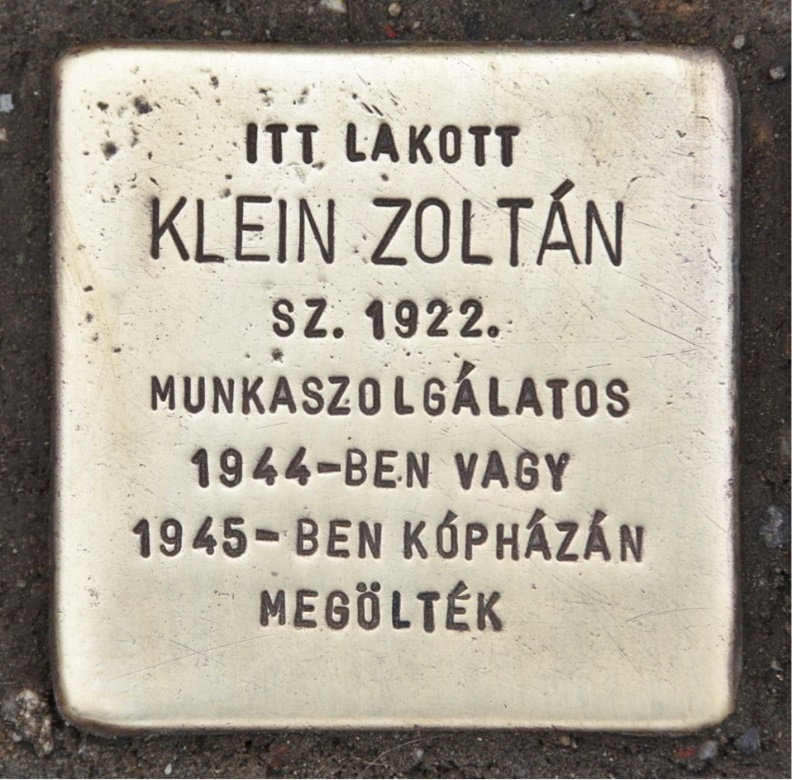
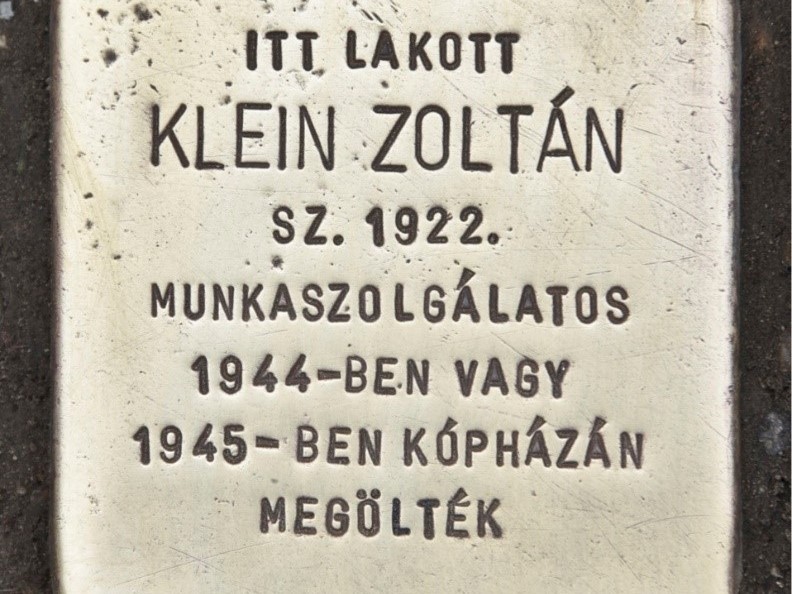
In Kópháza, the number of forced laborers reached 1,800 in January 1945. They were housed in barns and stables, which were sometimes open. "We were housed in a board shed with no sides. It was terribly cold here and we were very cold. It was the first winter I had ever spent without a minute indoors in a warm room. [...] Our clothes didn't come off for months." - István Riesz, who was taken away from a yellow-star house in Budapest in October 1944, recalled the months in Kópháza. The prisoners were guarded by various German armed units, so-called “political emissaries” of the Nazi party, Hungarian Arrow Cross activists and a “Jewish guard” made up of local (mainly German and Croatian) non-Jewish residents. As in other camps on the western border, the Jews were killed en masse. Executions were a daily occurrence. According to the survivors' recollections, those who had good quality footwear or clothing were particularly targeted. "One of the 15-year-old Arrow Cross kids from Kapuvár liked a boot worn by the brother of the instrument maker Sternberg from Pest, and he shot him in the back, the poor thing wailed, and then he shot him in the head, pulling the boot off, saying 'I shot a boot'", recalled Lajos Rein. The starving labor servicemen often stole two or three grains of potatoes. If caught, they would be flogged and then pushed into the dreaded "ice cellar", a deep cavity half-filled with ground water. Very few of them got out alive. (See here a list of Budapest victims of the Kópháza.)
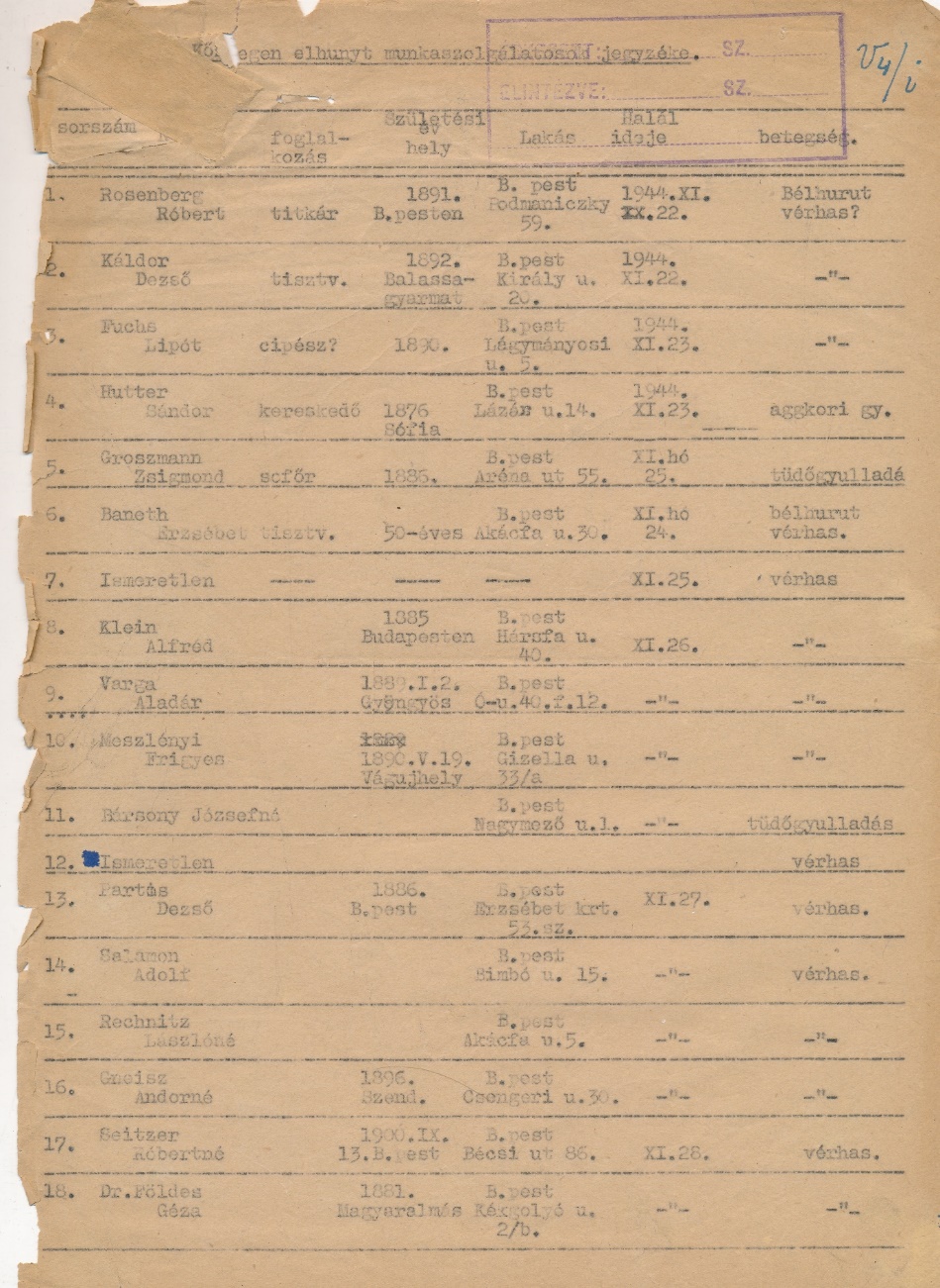
In addition to the area around Lake Fertő and Sopron, another center of slave labor in the Niederdonau section of the Wall was Kőszeg. In December 1944, about 8,000 Jews performed forced labor in and around the town, where several labor service companies had been stationed since 1940. After the Arrow Cross takeover, thousands of Jews were brought to Kőszeg. Labor service companies, deported by rail from the capital were brought here, as were the women who had been marched on foot from Budapest. They were housed in various places in the city, such as brickworks, breweries, mills, and factories. The Jews were guarded by mixed Hungarian-German units. Lajos Frenkel recalled the conditions in the brick factory: “It was mainly the unfortunate women who were beaten. They were beaten with whips, clubs and rifle butts wherever they could. Cries, groans and wails were heard from all sides. ... The stench of choking carrion was everywhere. I saw horribly disfigured faces and bulging eyes.”
The situation was no better in the work areas. According to a survivor from Miskolc, “we had to work in sledges and in the coldest weather and in snowstorms. The lice were swarming, soon there was an epidemic of typhus, and as we were already very weakened from the hard work with minimal food and no medicine at all, people were falling down one after another due to fleas, frostbite and hunger.” The German authorities began to evacuate the camps in Kőszeg at the end of March 1945. The prisoners who were still alive and able to walk were driven westwards. Most of the sick were murdered. According to survivors' recollections, a few dozen people were executed in makeshift gas chambers in airtight barracks in a brewery. About 2,500 Jews died in the labor camps in Kőszeg between November 1944 and March 1945. (See here a list of Budapest victims of Kőszeg.)
-
-
-
-
Budapest, Paris, Auschwitz. Budapest Jews and the Holocaust in France
-
Invasion, Police Raids, Internment. The German Occupation and the Budapest Jews
-
-
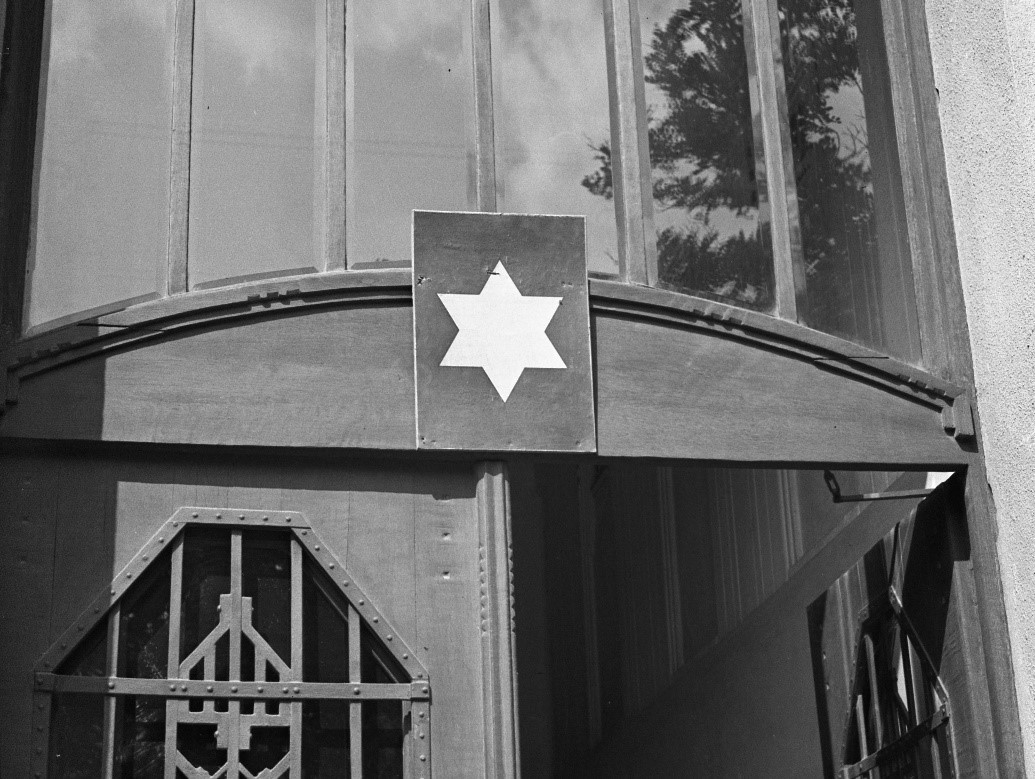
Star-Marked City. The First Ghettoization of the Budapest Jews
-
-
"In Poland, Jews are being gassed and burned." The Suspension of the Deportations
-
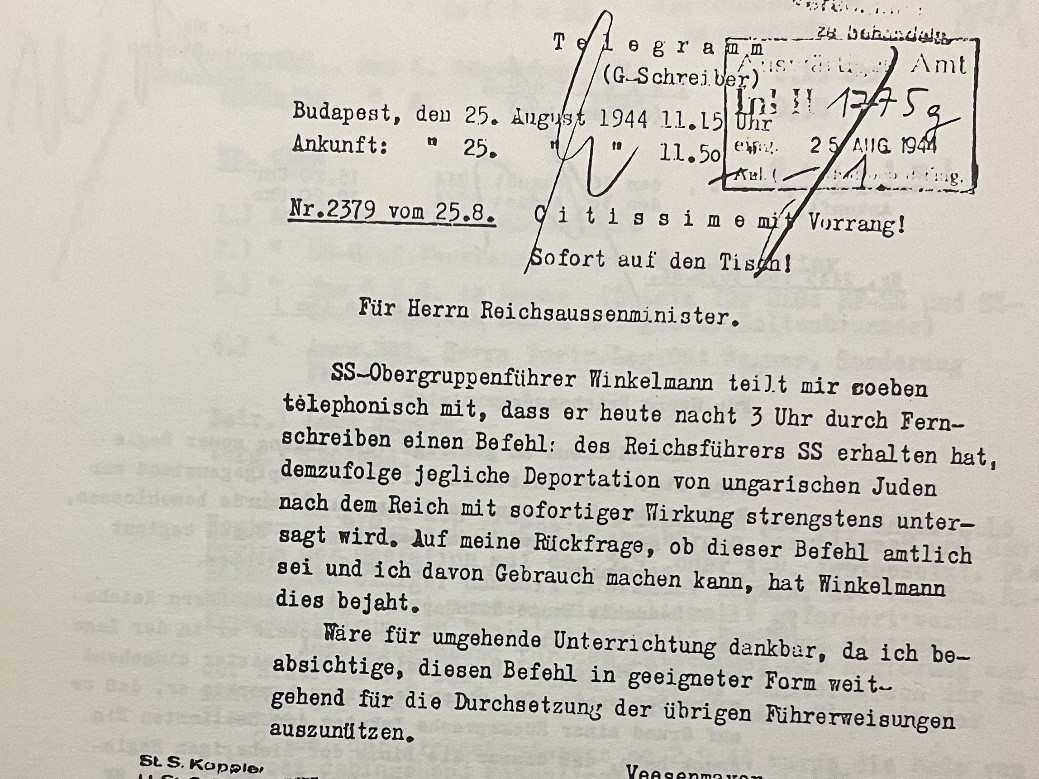
Chips on the Poker Table. The Fate of the Budapest Jews in August 1944
-
“They are being killed with gas and burned.” What did the Budapest Jews know and what could they do?
-
Großaktion Budapest. How would the Jews of Budapest have been Deported?
-
“The Danube was Red with Jewish Blood.” Arrow Cross Murders in Budapest
-
-
Death March, Brick Factory, Slave Labor. The Budapest Deportations in Late 1944
-
Ghetto and Liberation. Jews of Budapest at the End of the War
-
-
To Obey or Resist? Group and Individual Responses to Persecution in Budapest
-
-
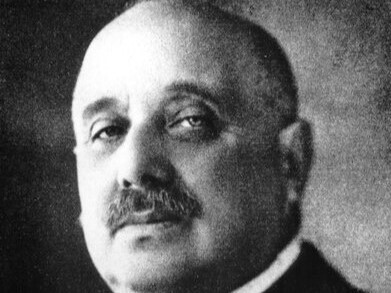
Fates in Budapest. The Founder of the Hungarian Pharmaceutical Industry: Gedeon Richter
-
-
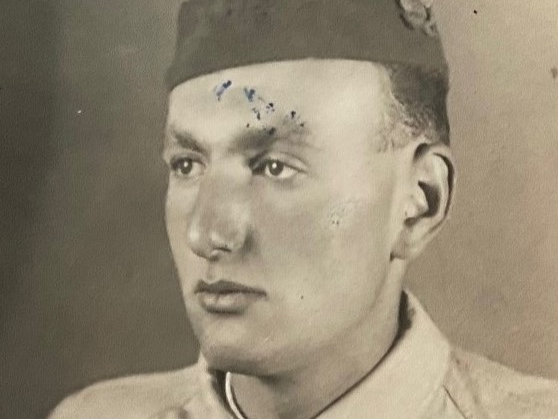
Fates in Budapest. The Rosenthal Saga: Forced Labor, Bergen-Belsen and the "Horror Train"