To Behead or not to Behead? The Eichmann-Endre Debate
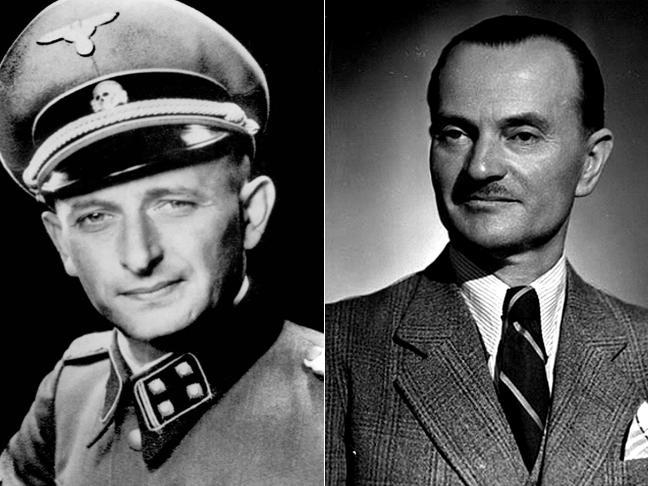
Two key figures in the catastrophe of the Hungarian Jews were SS Lieutenant Colonel Adolf Eichmann and State Secretary of the Hungarian Interior Ministry László Endre. They who worked in complete harmony to organize the ghettoization and deportation of Jews. They disagreed on only one issue: Endre wanted to strike the Jews in Budapest first, while Eichmann put them at the end of the deportation schedule.
„I admired the Hungarian administration”
The Nazi leadership entrusted SS Lieutenant Colonel Adolf Eichmann with the deportation of Hungarian Jews. He arrived in Hungary on the day of the occupation. Eichmann could count on no more than a dozen officers and a few non-commissioned officers for actual organizational tasks, and the total number of his unit, including drivers and guards, did not exceed 150-200 people. He was aware that with so few people, he would be unable to locate, round up, guard, and deport a Jewish community of three-quarters of a million people scattered across a country of approximately 170,000 square kilometers. His unit would have been sufficient to deport the Jewish population from a few dozen villages, or perhaps one or two small towns. The only guarantee of his success was the cooperation of the Hungarian authorities.

The key figure in the leadership of the Ministry of the Interior was László Endre, the state secretary in charge of public administration. By this time, Endre was already one of the most notorious antisemitic figures in Hungarian political life. As sub-prefect (alispán) of Pest–Pilis–Solt–Kiskun County, the largest Hungarian county, he had already proven himself to be a committed supporter of anti-Jewish measures long before the German occupation, with a series of decrees he had initiated, e.g., banning Jews from baths, markets and fairs, and excluding them from segments of the food supply. Although the law enforcement agencies (police, gendarmerie) were controlled by the other state secretary, László Baky, Endre's primacy in "Jewish matters" was unquestionable.
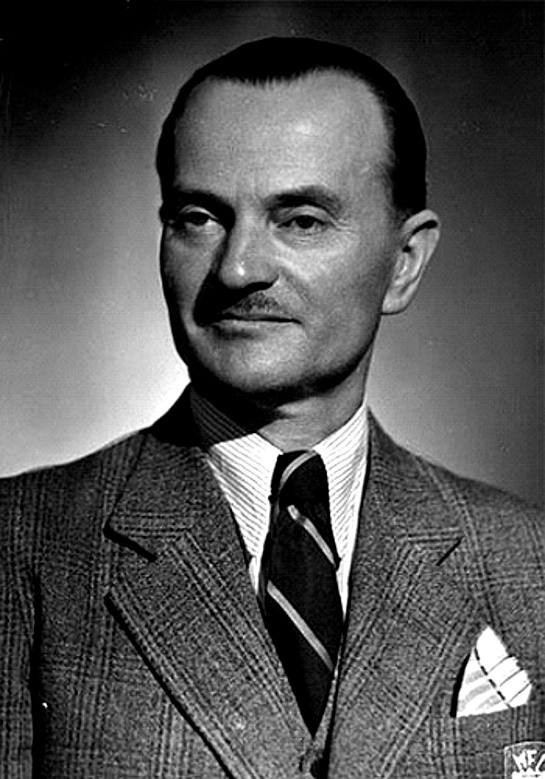
Eichmann was perfectly satisfied with his Hungarian partners: "Of course, I must admit that the Hungarian authorities functioned in a way that other authorities in other countries at that time could rarely claim for themselves. Not only in Jewish affairs, but in all their other official duties, they functioned in such a way that I said to myself on several occasions: ‘Good heavens! Until now, you thought that only Germany was ruled by such precision, and here you see at least the same painstaking accuracy.’ I admired the Hungarian administration.”
The official and personal relationship between Endre and Eichmann played a decisive role in the speed of the anti-Jewish campaign. In early April, Hungarian Jews were ordered to wear yellow stars, and within a few weeks from the middle of the month, they were crammed into hundreds of rural ghettos and collection camps. By the third week of April, barely a month after the occupation, the state secretary and the SS lieutenant colonel initiated and finalized the German-Hungarian agreement, which was ultimately concluded at the highest level and made it possible to deport all Hungarian Jews, even though initially the plan referred to "only" 100,000 people of working age. Between May and July 1944, more than 430,000 people were deported to Auschwitz-Birkenau. The vast majority of them were murdered. Hungarian Jews thus became by far the largest group of victims in the largest death camp.
Budapest or the countryside?
There was a serious disagreement between Eichmann and Endre in 1944 on only one issue: what was to be done with the Jews of Budapest? Endre thought that the deportation should begin with the Jews of the capital, thus immediately "beheading" Hungarian Jewry. Eichmann, on the other hand, wanted to launch the action in the eastern and northern areas closest to the war front: Carpatho-Ruthenia, Upper Hungary (Southern Slovakia), and Northern Transylvania.
In retrospect, it is not easy to accurately reconstruct the arguments made in the dissent. Eichmann later claimed several times that he had merely followed the instructions of Himmler, his supervisor. During an interrogation with Israeli police, he said he had informed Endre at their first meeting in Budapest: "Himmler has ordered the German police and wants the Hungarian Jews to be rounded up in ghettos and then evacuated and transported to Auschwitz from east to west." All he wrote in his notes in the Jerusalem prison in the fall of 1961, Himmler ordered the evacuation of “several Jews for strategic reasons, combing the terrain from east to west.” Of course, the former SS lieutenant colonel was then fighting for his life and not for the clarification of historical truth. Rather, he tried to emphasize that he had no substantive freedom of choice and acted on orders when setting the deportation schedule.
SS Major Wilhelm Höttl, head of the SS Security Service (SD) in Hungary, wrote in 1953 that the Germans wanted to prevent the mass escape and hiding of Budapest Jews by first eradicating the countryside communities. Zionist leader Rezső Kasztner, who was in contact with Eichmann, later recalled that SS Captain Dieter Wisliceny, one of Eichmann's key men, "wanted to keep a low profile in the capital at the very beginning (of the deportation action)."
There is no doubt that deporting before the eyes of the embassies of neutral countries, the Red Cross, and representatives of the world press was riskier than doing that in the peripheries, watched by a few. Eichmann wanted to get the most out of the situation: to send as many Jews as possible to the camps in the shortest possible time. He could rightly trust that the Jews could only flee to the capital from the countryside measures, and as the closing action of the plan, focusing all efforts on the capital, they would be able to capture everyone in a huge, several-day raid in Budapest. The deportation of Jews living close to the front could be better disguised, claiming security reasons, was more urgent due to the advance of the Soviet army, and easier to conceal due to the peripheral location of the operation.
For Endre, even if he understood Eichmann's considerations, the most important thing was the destruction of the Budapest Jewish community. He shared the long-held conviction of the far-right that the capital was the “center of gravity of the Jewish question”. Unlike his German friend, Endre was well acquainted with Hungarian domestic politics and the capital. He was concerned that, due to their greater social integration and stronger ability to assert their interests than Jews in the countryside, their extensive social and governmental connections would soon be put into motion. According to Endre's not entirely unfounded logic, by deporting the Budapest Jews first, the entire Hungarian Jewish community could be deprived of its center, which understood the processes and was able to influence them. He wanted to "decapitate" the Jewish community and then, without the guidance and support of the center, easily sever the rural communities, which would be left like paralyzed limbs, from the immobile body.
In the end, Eichmann's position prevailed. The deportation began in the east. The decisive piece of argument was probably the deterioration of the situation on the war front. In the spring of 1944, the Soviets liberated much of Ukraine with one of the largest operations of the war. At the end of April, the Red Army was already stationed east of Chernivtsi, right before the Carpathian Mountains. The Nazis and their Hungarian accomplices felt they raced against time. The capital was put at the end of the deportation schedule.
-
-
-
-
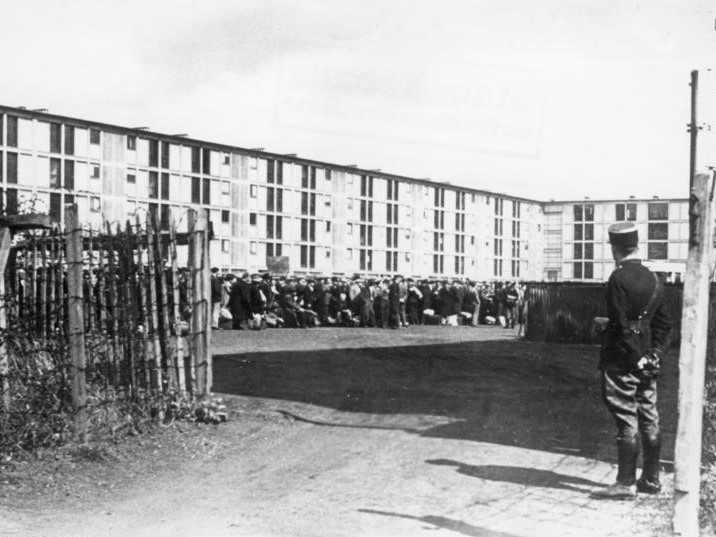
Budapest, Paris, Auschwitz. Budapest Jews and the Holocaust in France
-
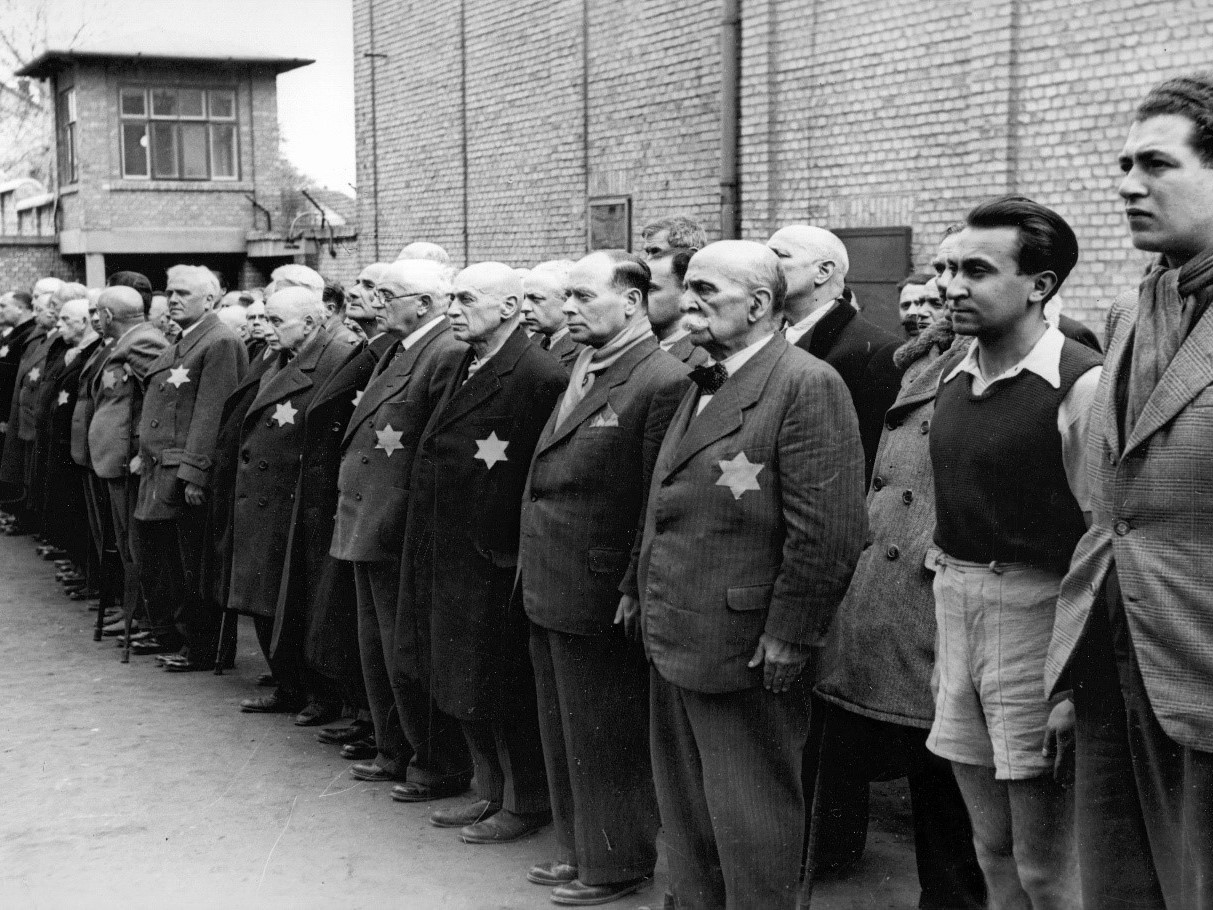
Invasion, Police Raids, Internment. The German Occupation and the Budapest Jews
-
-
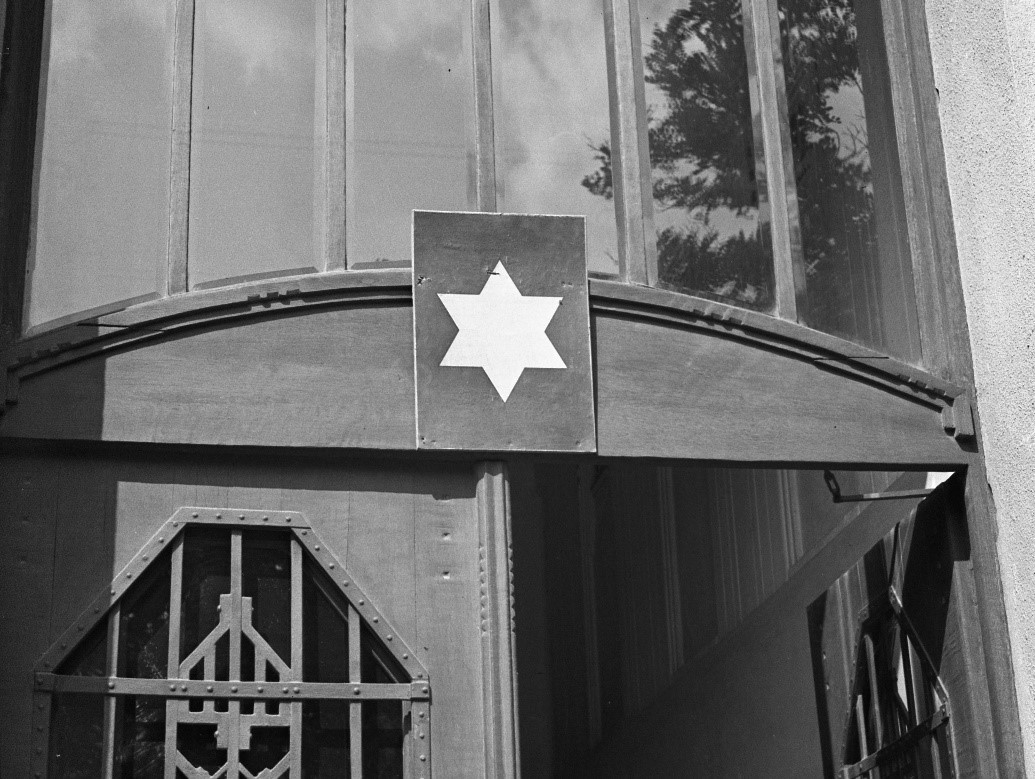
Star-Marked City. The First Ghettoization of the Budapest Jews
-
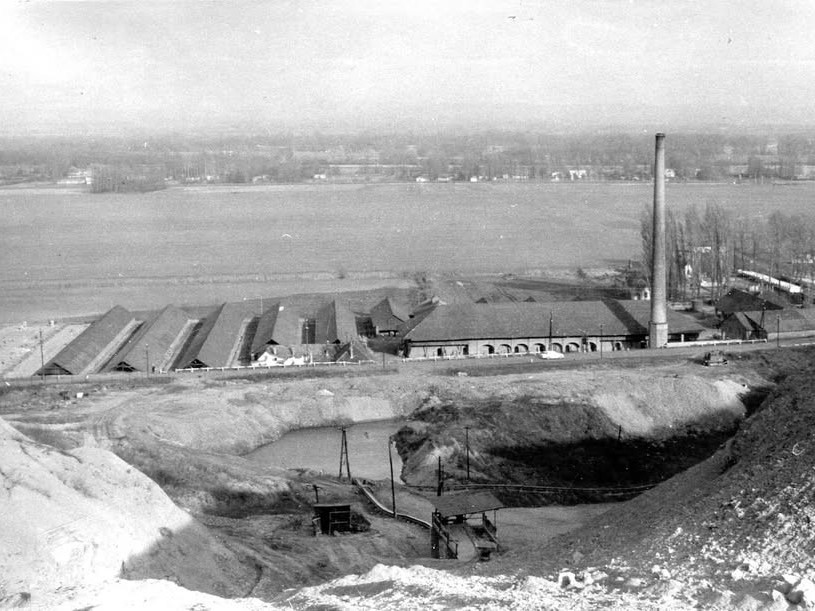
-
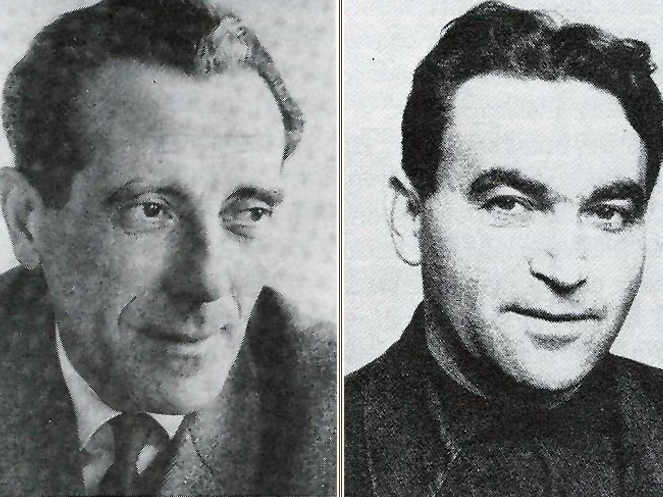
"In Poland, Jews are being gassed and burned." The Suspension of the Deportations
-
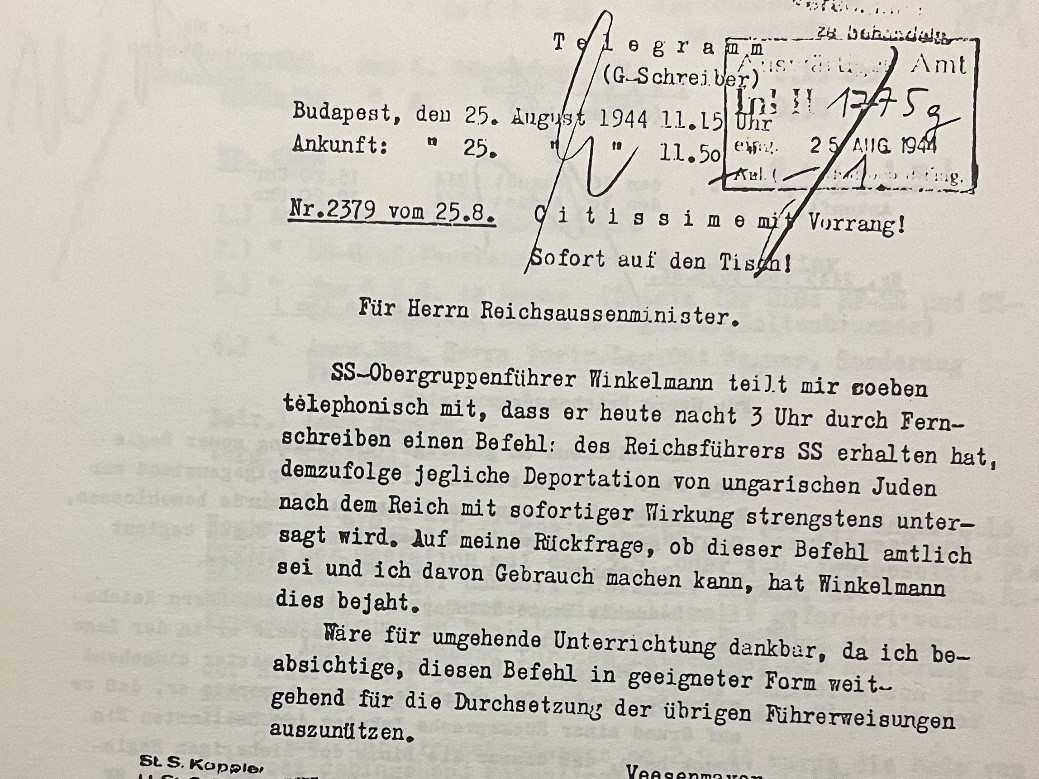
Chips on the Poker Table. The Fate of the Budapest Jews in August 1944
-
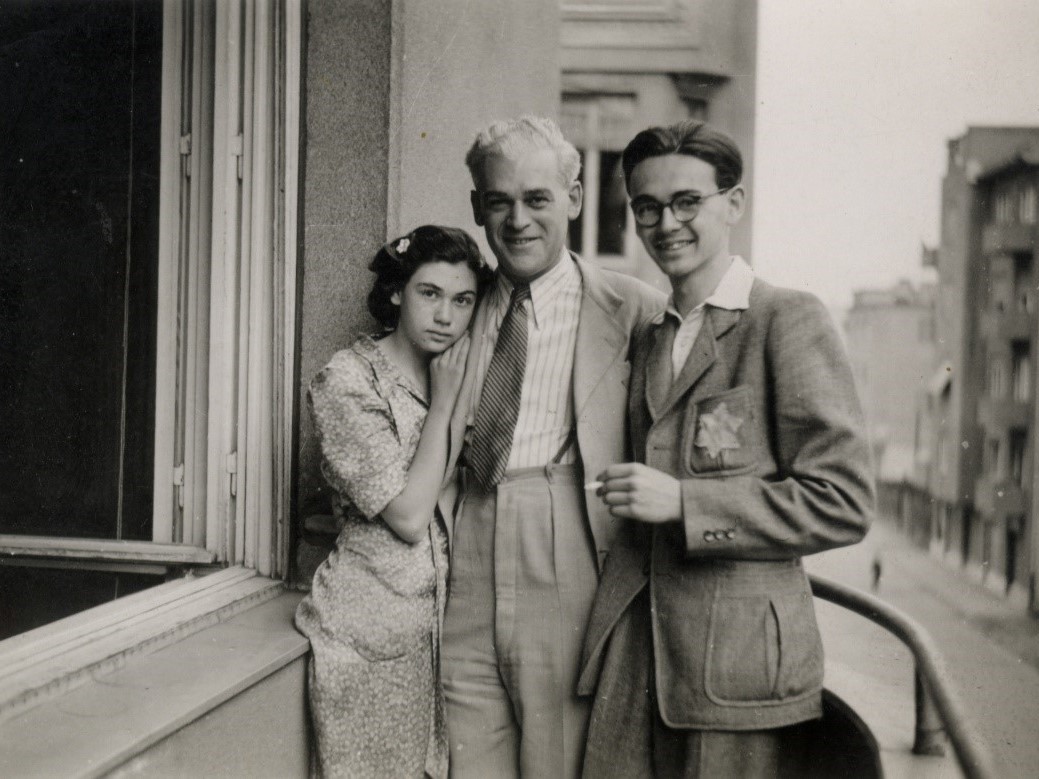
“They are being killed with gas and burned.” What did the Budapest Jews know and what could they do?
-
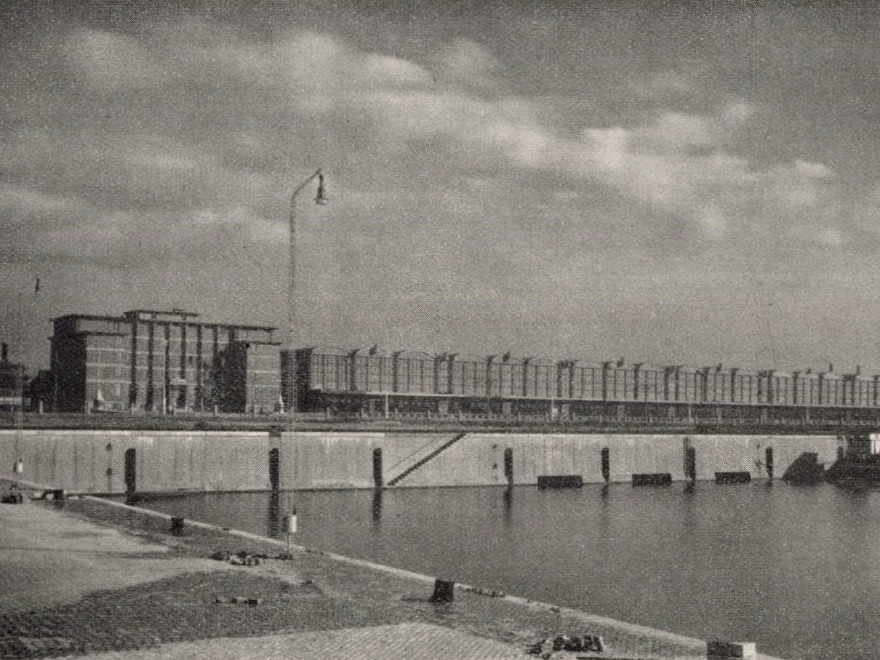
Großaktion Budapest. How would the Jews of Budapest have been Deported?
-
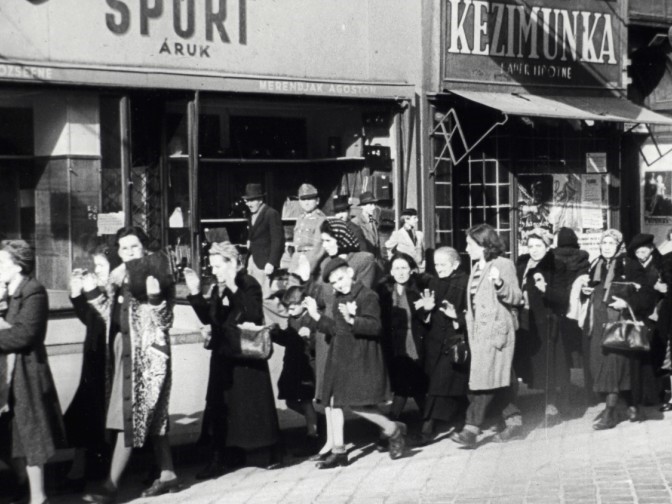
“The Danube was Red with Jewish Blood.” Arrow Cross Murders in Budapest
-
-
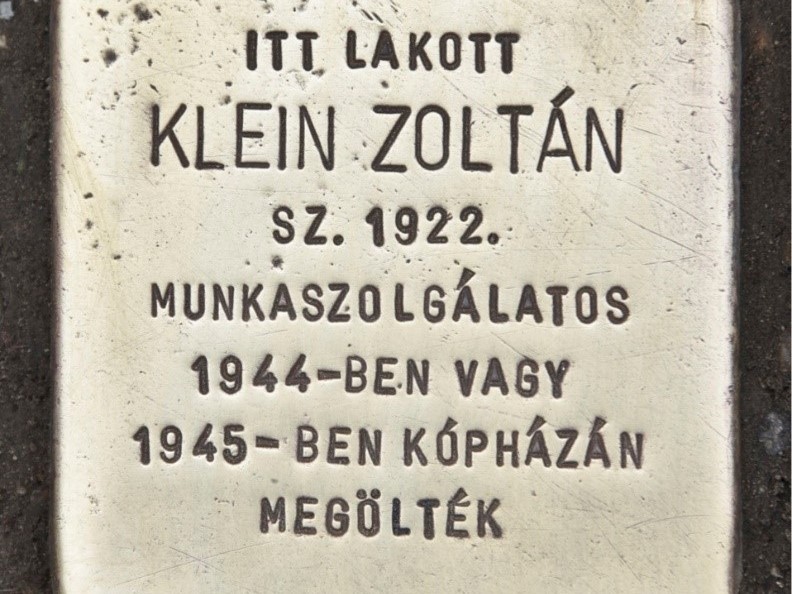
Death March, Brick Factory, Slave Labor. The Budapest Deportations in Late 1944
-
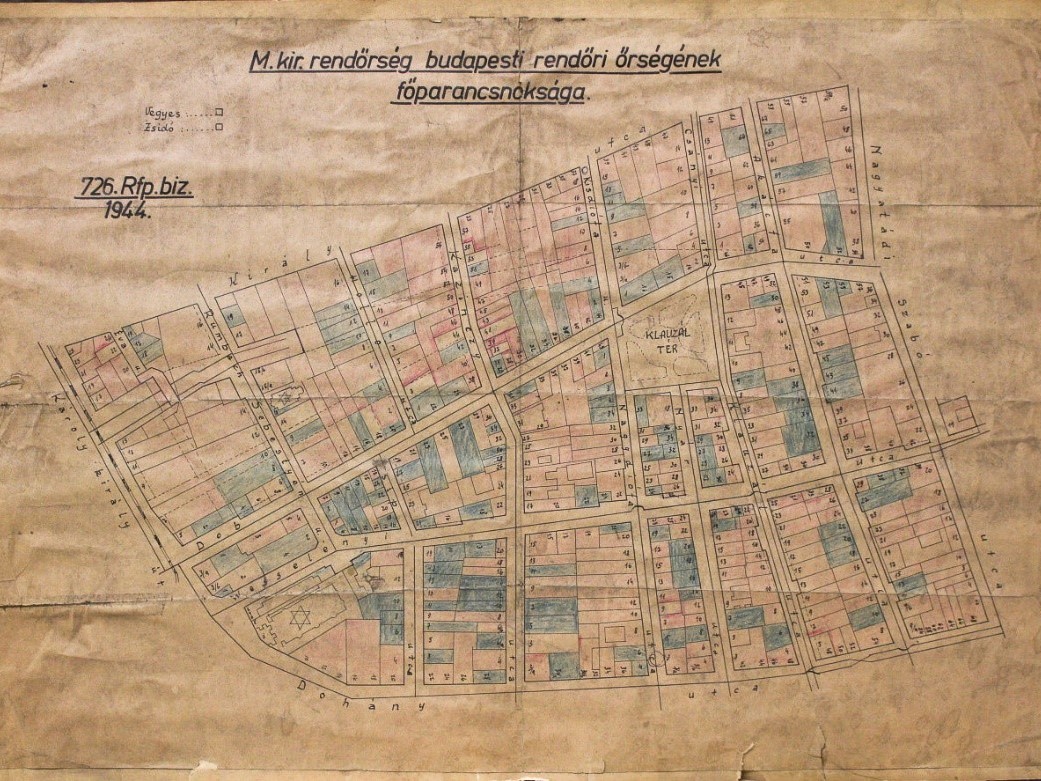
Ghetto and Liberation. Jews of Budapest at the End of the War
-
-
To Obey or Resist? Group and Individual Responses to Persecution in Budapest
-
-
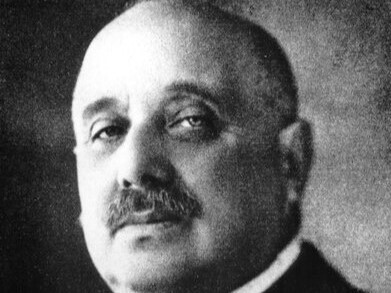
Fates in Budapest. The Founder of the Hungarian Pharmaceutical Industry: Gedeon Richter
-
-
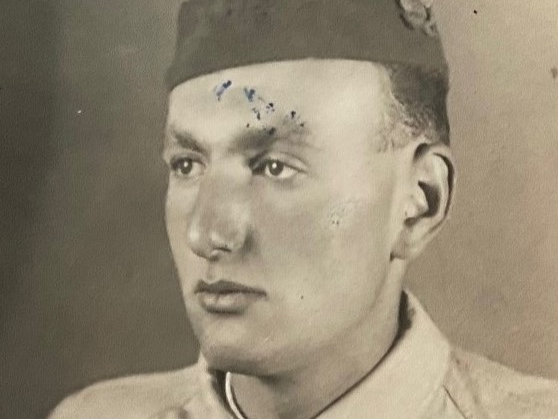
Fates in Budapest. The Rosenthal Saga: Forced Labor, Bergen-Belsen and the "Horror Train"